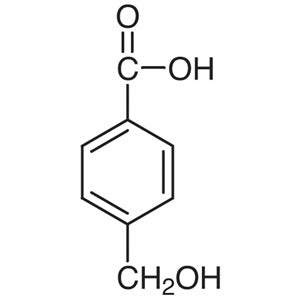
2-Phenoxymethylbenzoic Acid is a chemical compound widely used in organic synthesis reactions within laboratory settings. As a key building block, it plays a crucial role in the development of complex molecular structures, commonly found in pharmaceuticals, pesticides, and industrial chemicals. Its versatility makes it an essential tool for researchers aiming to design and synthesize compounds with specific functional properties. This compound is particularly valued for its ability to participate in various chemical reactions, such as esterification and substitution, which are fundamental in synthetic chemistry.
The compound’s molecular structure, consisting of a phenoxymethyl group and a benzoic acid moiety, contributes to its high reactivity. These structural features allow it to be a preferred choice in chemical experiments due to its stability and compatibility with a wide range of reaction conditions. Its chemical properties make it suitable for both academic and industrial research, enabling the creation of new compounds with tailored applications. The compound’s reactivity and structural versatility are key factors in its widespread use across different scientific fields.
In Indonesian laboratories, 2-Phenoxymethylbenzoic Acid is commonly used in organic chemistry research, especially in higher education institutions and research centers. Researchers rely on this compound to develop new substances with medical or industrial applications. Its availability and chemical properties make it a valuable resource for advancing scientific knowledge and innovation in the region.
Related TCI products
- TCI H0769 3006-96-0 4-Hydroxymethylbenzoic Acid
- TCI D2352 4442-41-5 Diphenoxymethane
- TCI H0987 4-(Hydroxymethyl)phenoxymethyl Polystyrene Resin cross-linked with 1% DVB (200-400mesh) (1.0-2.0mmol/g)
- TCI H0986 4-(Hydroxymethyl)phenoxymethyl Polystyrene Resin cross-linked with 1% DVB (200-400mesh) (0.5-1.0mmol/g)
- TCI H0608 3597-91-9 4-Hydroxymethylbiphenyl
- Organic synthesis reactions benefit from this compound's reactivity and structural versatility, enabling the creation of complex molecules.
- Pharmaceutical research utilizes it to develop new drugs by synthesizing compounds with specific therapeutic properties.
- Pesticide formulation relies on its chemical stability and reactivity to create effective and targeted agricultural products.
- Industrial chemical production uses it as a building block for manufacturing a wide range of chemical products.
- Academic research in Indonesian universities employs it to explore new chemical pathways and molecular structures.
| Brand | TCI |
|---|---|
| CAS number | 724-98-1 |
| Molecular formula | — |
| Purity | — |
| Category | Chemistry > Building Blocks > Non-Heterocyclic Building Blocks |
| Pack sizes | Available in various quantities as per supplier specifications |
| Physical form | Solid (as per standard chemical properties) |
| Storage | Store in a cool, dry place away from direct sunlight |
This compound should be stored in a cool, dry environment to maintain its chemical stability. It is recommended to use airtight containers to prevent exposure to moisture and air, which could affect its reactivity. Proper labeling of storage containers is essential for safety and identification purposes. Laboratory personnel should handle the compound with care, using appropriate personal protective equipment such as gloves and safety goggles. It is important to ensure that the compound is kept away from incompatible materials to avoid any potential chemical reactions. Regular inspection of storage conditions ensures the compound remains in optimal condition for use in research applications.
—
Produk Terkait
-
4-HydroxymethylbenzoicAcid TCI H0769
Regular price From Rp 2.332.050,00Regular price -
Diphenoxymethane TCI D2352
Regular price From Rp 2.147.250,00Regular price -
PolystyreneResincross-linkedwith1%DVB(200-400mesh)(1.0-2.0mmol/g) TCI H0987
Regular price Rp 3.525.900,00Regular price -
PolystyreneResincross-linkedwith1%DVB(200-400mesh)(0.5-1.0mmol/g) TCI H0986
Regular price Rp 3.525.900,00Regular price -
4-Hydroxymethylbiphenyl TCI H0608
Regular price Rp 1.670.550,00Regular price