Ethyl Phenylcyanoacetate is a chemical compound widely used in organic synthesis reactions. It serves as a key building block in the creation of complex molecular structures, making it an essential material for chemists and researchers. This compound is commonly found in chemical laboratories as a precursor for the synthesis of various organic compounds, particularly those involving heterocyclic and non-heterocyclic structures. Its role in facilitating the formation of desired molecular configurations is critical in many synthetic pathways.
The stability and controlled reactivity of Ethyl Phenylcyanoacetate make it a preferred choice for laboratory use. Its non-polar nature allows it to dissolve easily in organic solvents, which is advantageous for reactions requiring specific solvent conditions. Additionally, its chemical properties enable it to participate in substitution and other relevant reactions, making it versatile in synthetic applications. These characteristics ensure that it remains a reliable and efficient reagent in chemical experiments.
In Indonesian laboratories, Ethyl Phenylcyanoacetate is extensively used in chemical research, especially in the field of organic synthesis. It is frequently encountered in academic and industrial settings where the development of new compounds is required. Its availability and safety profile make it a popular choice among researchers working on diverse chemical projects.
- Organic Synthesis: Ethyl Phenylcyanoacetate is ideal for organic synthesis due to its ability to participate in substitution reactions and form complex molecular structures.
- Heterocyclic Compound Development: The compound's reactivity supports the synthesis of heterocyclic compounds, making it valuable in pharmaceutical and chemical research.
- Non-Heterocyclic Molecule Construction: Its stable chemical properties allow for the creation of non-heterocyclic molecules, expanding its utility in synthetic chemistry.
- Solvent Compatibility: The compound's non-polar nature makes it suitable for reactions in organic solvents, ensuring compatibility with various experimental setups.
- Research and Development: It is commonly used in R&D settings to explore new chemical pathways and develop novel compounds for industrial and academic purposes.
| Brand | TCI |
|---|---|
| CAS number | 4553-07-5 |
| Molecular formula | — |
| Purity | — |
| Category | Chemistry > Building Blocks > Non-Heterocyclic Building Blocks |
| Pack sizes | — |
| Physical form | — |
| Storage | Store in a cool, dry place away from direct sunlight |
Ethyl Phenylcyanoacetate should be stored in a cool, dry environment to maintain its chemical stability. It is recommended to keep the compound in a tightly sealed container to prevent exposure to moisture and air. Suitable containers include glass or high-density polyethylene bottles to ensure chemical integrity. General laboratory precautions include handling in a well-ventilated area and wearing appropriate personal protective equipment. Avoid contact with skin and eyes, and ensure proper disposal according to local regulations. Proper storage and handling practices help ensure the safety and effectiveness of this compound in laboratory applications.
—
Produk Terkait
-
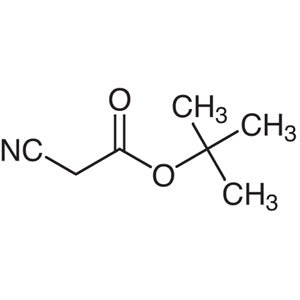
tert-ButylCyanoacetate TCI C1441
Regular price From Rp 3.551.100,00Regular price -
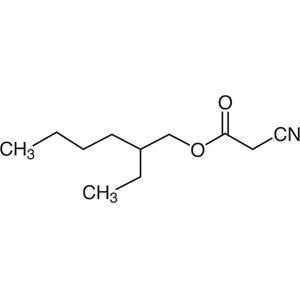
2-EthylhexylCyanoacetate TCI C1384
Regular price From Rp 1.246.350,00Regular price -
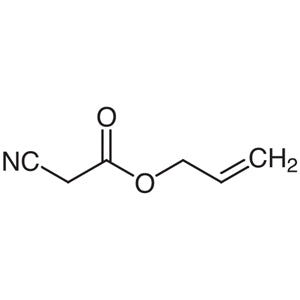
AllylCyanoacetate TCI C1039
Regular price From Rp 1.326.150,00Regular price -
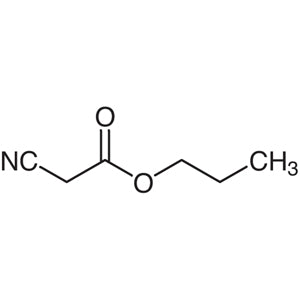
PropylCyanoacetate TCI C1016
Regular price From Rp 903.000,00Regular price -
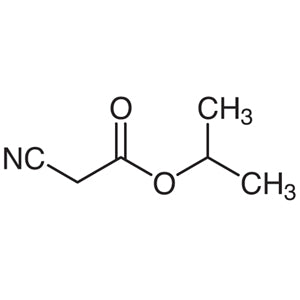
IsopropylCyanoacetate TCI C1001
Regular price From Rp 875.700,00Regular price -
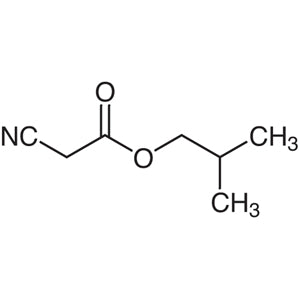
IsobutylCyanoacetate TCI C1000
Regular price From Rp 505.050,00Regular price -
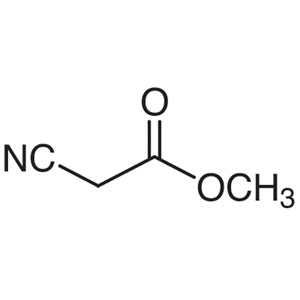
MethylCyanoacetate TCI C0442
Regular price From Rp 505.050,00Regular price -
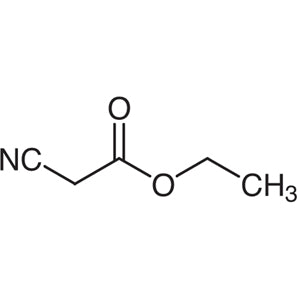
EthylCyanoacetate TCI C0441
Regular price From Rp 477.750,00Regular price