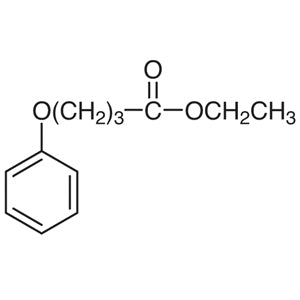
Ethyl 4-Phenoxybutyrate is a chemical compound widely used in synthetic reactions to construct complex molecular structures. It serves as a key building block in organic chemistry, enabling the formation of various functional groups through chemical transformations. This compound is commonly found in chemical laboratories as a raw material for the synthesis of organic compounds with diverse applications, including pharmaceuticals and chemical industries. Its role in chemical synthesis is crucial due to its ability to act as a butyrate group donor, facilitating reactions with other reagents to produce new compounds.
One of the main reasons for its popularity is its stable molecular structure and good solubility in organic solvents such as ethyl acetate and ethanol. These properties make it highly suitable for reactions requiring specific solvent conditions. Additionally, its thermal stability ensures ease of storage and handling, which is essential in laboratory settings. The compound’s consistent performance and reliability make it a preferred choice for both research and educational purposes.
In Indonesian laboratories, Ethyl 4-Phenoxybutyrate is frequently used by researchers and students in organic chemistry studies. It plays a vital role in teaching and developing synthetic techniques, especially in pharmaceutical and chemical material research. Its availability in the local market ensures accessibility for various experimental needs, supporting both academic and industrial applications.
- Organic synthesis applications benefit from Ethyl 4-Phenoxybutyrate due to its role as a butyrate group donor, enabling the formation of complex molecules through esterification and other reactions.
- Pharmaceutical research utilizes this compound as a precursor for drug development, supporting the synthesis of bioactive compounds with therapeutic potential.
- Educational laboratories use it for teaching organic chemistry principles, providing hands-on experience in synthetic reactions and molecular structure building.
- Material science studies incorporate it in the development of new chemical materials, where its stability and reactivity contribute to the creation of functional polymers and derivatives.
- Analytical chemistry applications leverage its predictable behavior in chromatographic and spectroscopic analyses, aiding in compound identification and purity assessment.
| Brand | TCI |
|---|---|
| CAS number | 2364-59-2 |
| Molecular formula | — |
| Purity | — |
| Category | Chemistry > Building Blocks > Non-Heterocyclic Building Blocks |
| Pack sizes | Available in standard laboratory quantities |
| Physical form | Liquid |
| Storage | Store in a cool, dry place away from direct sunlight |
Ethyl 4-Phenoxybutyrate should be stored in a cool, dry place away from direct sunlight to maintain its stability and prevent degradation. It is recommended to use airtight containers made of glass or high-density polyethylene to minimize exposure to moisture and air. Due to its organic nature, it should be kept away from strong oxidizing agents and incompatible substances. Proper labeling of containers is essential for safe handling and identification. In laboratory settings, it is important to follow standard safety protocols, such as using personal protective equipment when handling the compound. Regular monitoring of storage conditions ensures the compound remains in optimal condition for use in chemical reactions and research applications.
—
Produk Terkait
-
SodiumDL-3-Hydroxybutyrate TCI H0231
Regular price Rp 2.862.300,00Regular price -
4-PhenoxybutylBromide TCI P1851
Regular price Rp 1.829.100,00Regular price -
4-PhenoxybutylChloride TCI P1386
Regular price Rp 1.803.900,00Regular price -
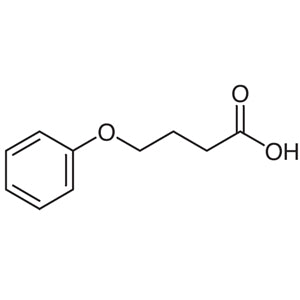
4-PhenoxybutyricAcid TCI P1285
Regular price Rp 2.016.000,00Regular price -
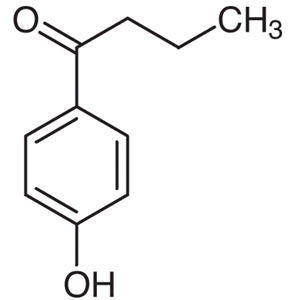
4'-Hydroxybutyrophenone TCI H0903
Regular price Rp 2.199.750,00Regular price -
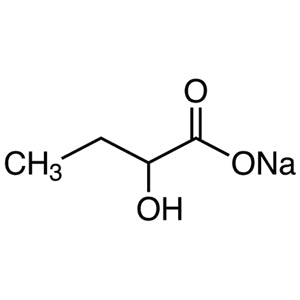
SodiumDL-2-Hydroxybutyrate TCI H0387
Regular price From Rp 2.279.550,00Regular price -
EthylDL-3-Hydroxybutyrate TCI H0230
Regular price From Rp 1.008.000,00Regular price -
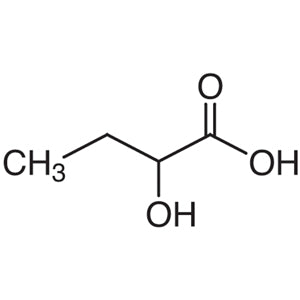
DL-2-HydroxybutyricAcid(containsPolymolecularesterificationproduct) TCI H0227
Regular price Rp 4.213.650,00Regular price