(2S,4S)-(+)-2,4-Pentanediol is a chiral compound widely used in asymmetric synthesis to create optically active molecules. This compound plays a crucial role in organic chemistry laboratories by enabling precise control over stereochemistry during complex molecule synthesis. Its chiral nature makes it an essential tool for researchers aiming to develop compounds with specific optical properties, such as amino acids and pharmaceuticals. Due to its structural asymmetry, it is particularly valuable in the synthesis of biologically active molecules where stereochemistry significantly affects functionality.
The compound is known for its chemical stability and reactivity under controlled conditions, making it a preferred choice for synthetic chemists. Its ability to participate in various chemical reactions while maintaining its chiral integrity ensures reliable results in laboratory settings. The clear optical activity of (2S,4S)-(+)-2,4-Pentanediol allows for accurate characterization and application in advanced synthetic pathways. Its availability in pure form and stability under appropriate storage conditions further enhance its utility in laboratory research.
In Indonesian laboratories, (2S,4S)-(+)-2,4-Pentanediol is commonly used in organic chemistry research and the synthesis of bioactive compounds. It is a key component in studies related to asymmetric catalysis and the development of new synthetic methods. Many research institutions and universities in Indonesia rely on this compound for advancing their work in chemical synthesis and pharmaceutical development. Its role in creating complex molecular structures with high stereochemical precision is well recognized in the scientific community.
- Asymmetric synthesis is a key application where this compound enables the creation of optically active molecules with precise stereochemical control, essential for pharmaceutical and biochemical research.
- Organic chemistry research benefits from its chiral structure, allowing the development of complex molecular frameworks with specific optical properties.
- Bioactive compound synthesis relies on this material to produce molecules with defined stereochemistry, crucial for drug development and biological activity studies.
- Chiral building block applications are supported by its stability and reactivity, making it a fundamental component in synthetic pathways requiring stereochemical specificity.
- Advanced synthetic methods in Indonesian laboratories use this compound to explore new chemical reactions and improve the efficiency of molecule synthesis processes.
| Brand | TCI |
|---|---|
| CAS number | 72345-23-4 |
| Molecular formula | — |
| Purity | — |
| Category | Chemistry > Asymmetric Synthesis > Chiral Building Blocks |
| Pack sizes | Available in various quantities as per supplier specifications |
| Physical form | Liquid or crystalline, depending on the specific product formulation |
| Storage | Store in a cool, dry place away from direct light and moisture |
This compound should be stored in a cool, dry environment, away from direct sunlight and moisture to maintain its chemical stability. It is recommended to use airtight containers to prevent exposure to air and potential oxidation. In laboratory settings, proper ventilation should be ensured when handling the material to minimize inhalation risks. The compound is generally non-hazardous under normal conditions but should be handled with care to avoid skin contact. It is advisable to use appropriate personal protective equipment, such as gloves and safety goggles, when working with this material. Proper labeling of storage containers is essential to ensure safe handling and prevent accidental exposure.
—
Produk Terkait
-
TCI B5774 5,10-Bis(4,4,5,5-tetramethyl-1,3,2-dioxaborolan-2-yl)naphtho[1,2-c:5,6-c']bis([1,2,5]oxadiazole)
Regular price Rp 10.255.350,00Regular price -
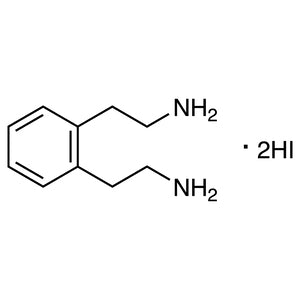
Dihydroiodide TCI B6569
Regular price From Rp 1.936.200,00Regular price -
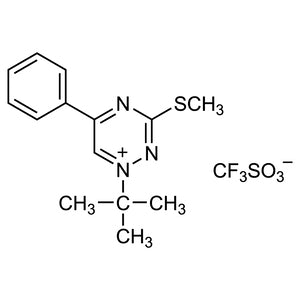
Trifluoromethanesulfonate TCI B7003
Regular price From Rp 1.936.200,00Regular price
![5,10-Bis(4,4,5,5-tetramethyl-1,3,2-dioxaborolan-2-yl)naphtho[1,2-c:5,6-c']bis([1,2,5]oxadiazole) - TCI B5774 - AMI Scientific](http://amiscientific.com/cdn/shop/files/TCI2510B5774.jpg?v=1769180228&width=533)