Phenylbutazone, with CAS number 50-33-9, is a chemical compound widely used in life science research, particularly in cell biology and neuroscience. It functions as an enzyme inhibitor capable of modulating cellular signaling pathways, making it a valuable tool in studying how cells respond to various stimuli. In laboratory settings, Phenylbutazone is essential for investigating the mechanisms of inflammatory and neurologic responses. Its ability to interfere with specific biological processes allows researchers to explore the underlying causes of diseases and develop potential therapeutic strategies.
Phenylbutazone is chemically stable and soluble in organic solvents, which simplifies its use in a variety of experimental conditions. These properties ensure consistent performance across different laboratory protocols. Additionally, it exhibits resistance to common environmental conditions found in laboratories, such as controlled dryness and temperature, enhancing its reliability. Its non-toxic nature at specific dosages makes it a safe option for long-term exposure studies, supporting ethical and reproducible research practices.
In Indonesian laboratories, Phenylbutazone is commonly used in studies related to inflammatory diseases and neurological disorders. It is also integrated into pharmacological and pharmacodynamic research conducted by various institutions. Its versatility and reliability make it a preferred choice for researchers aiming to understand complex biological mechanisms and develop targeted treatments.
Advantages (TCI brochure)
- Inhibited Dansylamide binding to HSA site I in brochure testing
TCI brochures (PDF)
- Inflammatory Response Studies – Phenylbutazone is ideal for investigating the modulation of inflammatory pathways due to its enzyme inhibitory properties.
- Neurological Disorder Research – It is used to study neurologic responses and the impact of inflammation on neural function.
- Pharmacological Testing – Its role as an enzyme inhibitor makes it suitable for assessing drug interactions and mechanism of action.
- Cell Signaling Investigations – Phenylbutazone helps in understanding how cellular signaling pathways are affected by various stimuli.
- Drug Development Studies – It supports research into the development of new therapeutic agents by analyzing cellular and molecular responses.
From the TCI brochure
- Site I drug in HSA binding assay
| Brand | TCI |
|---|---|
| CAS number | 50-33-9 |
| Molecular formula | — |
| Purity | — |
| Category | Life Science > Cell Biology > Cell Signaling and Neuroscience |
| Pack sizes | As available from supplier |
| Physical form | Solid (as per standard product form) |
| Storage | Store in a cool, dry place away from light |
Phenylbutazone should be stored in a cool, dry place, away from direct light to maintain its chemical stability. It is recommended to use airtight containers to prevent moisture absorption and contamination. Due to its non-toxic nature at specified dosages, it is generally safe to handle, but standard laboratory safety protocols should still be followed. Avoid exposure to high temperatures and ensure proper ventilation when working with the compound. Regular monitoring of storage conditions is advised to ensure the integrity of the material during long-term use.
References cited in the TCI brochure
- Jamie Ghuman. Structural Basis of the Drug-binding Specificity of Human Serum Albumin Journal of Molecular Biology, 2005. doi:10.1016/j.jmb.2005.07.075
- Masaki OTAGIRI. Study on Binding of Drug to Serum Protein YAKUGAKU ZASSHI, 2009. doi:10.1248/yakushi.129.413
Product Categories
Produk Terkait
-
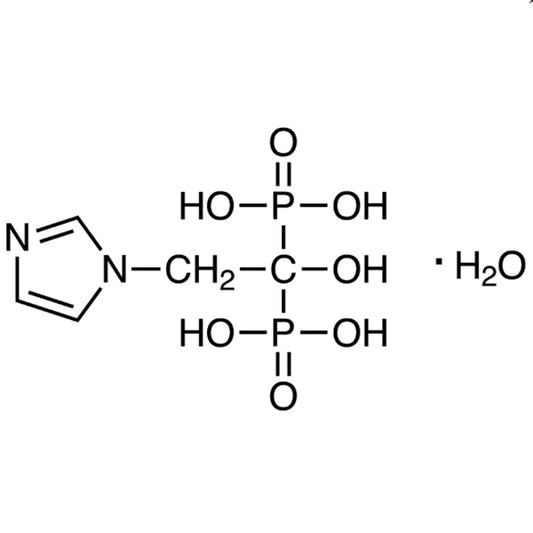
ZoledronicAcidMonohydrate TCI Z0031
Regular price From Rp 2.147.250,00Regular price -
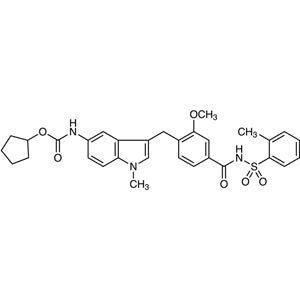
Zafirlukast TCI Z0029
Regular price Rp 5.141.850,00Regular price -
ArachidonicAcid TCI A0781
Regular price From Rp 2.332.050,00Regular price -
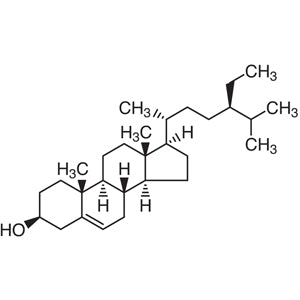
beta-Sitosterol(containsCampesterol) TCI S0040
Regular price Rp 1.510.950,00Regular price -
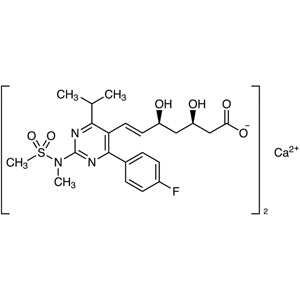
RosuvastatinCalcium TCI R0180
Regular price Rp 4.133.850,00Regular price -
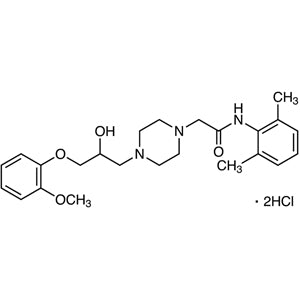
RanolazineDihydrochloride TCI R0112
Regular price From Rp 2.359.350,00Regular price -
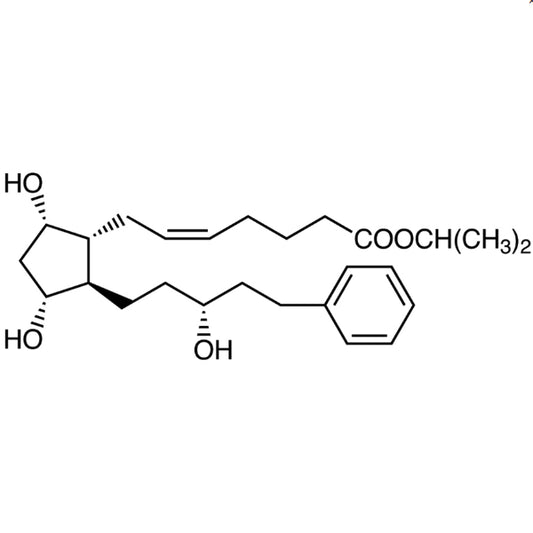
Latanoprost TCI L0262
Regular price From Rp 5.619.600,00Regular price -
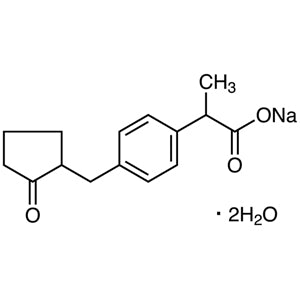
LoxoprofenSodiumSaltDihydrate TCI L0252
Regular price From Rp 2.068.500,00Regular price