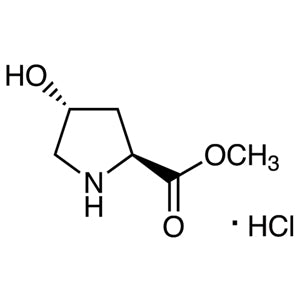
D-Proline Benzyl Ester Hydrochloride is a chemical compound widely used in laboratory settings, particularly in organic and biochemical research. It serves as an essential building block in the synthesis of complex molecules, including peptides and amino acid analogs. This compound is derived from D-proline and benzoic acid, with the hydrochloride form enhancing its solubility and reactivity. Its versatility makes it a valuable tool for scientists working on drug development, molecular structure analysis, and bioactive compound modification.
The compound exhibits favorable chemical properties that make it a preferred choice for various laboratory applications. It is stable under specific conditions and can react effectively with a range of reagents in controlled environments. Its solid form and solubility in organic solvents facilitate easy handling and integration into synthetic processes. These characteristics ensure consistent performance and reliability, which are crucial for reproducible experimental results.
In Indonesian laboratories, D-Proline Benzyl Ester Hydrochloride is commonly used by researchers in pharmaceutical, food chemistry, and biotechnology fields. It is frequently found in research institutions and universities, where it supports studies involving drug synthesis, molecular characterization, and biological activity testing. Its availability and utility make it a standard component in many laboratory workflows.
TCI brochures (PDF)
- Amino Acids and Peptide Synthesis Reagents 2025-08-14 · p. 29
Related TCI products
- TCI B4787 73323-65-6 N-(tert-Butoxycarbonyl)-D-proline Methyl Ester
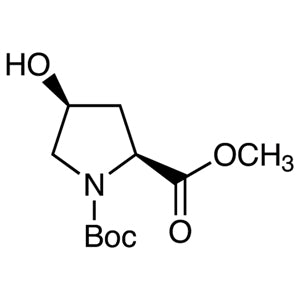
- TCI B3987 102195-79-9 N-(tert-Butoxycarbonyl)-cis-4-hydroxy-L-proline Methyl Ester
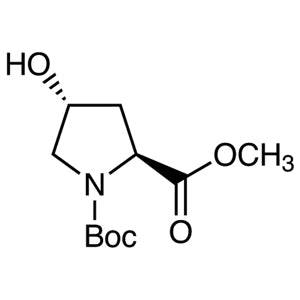
- TCI B3843 74844-91-0 N-(tert-Butoxycarbonyl)-trans-4-hydroxy-L-proline Methyl Ester
- TCI B3414 102185-34-2 N-(tert-Butoxycarbonyl)-D-proline Succinimidyl Ester
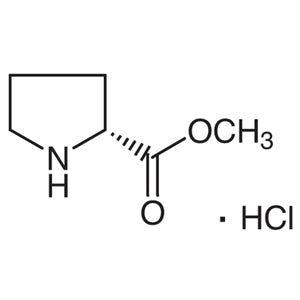
- TCI P1730 65365-28-8 D-Proline Methyl Ester Hydrochloride
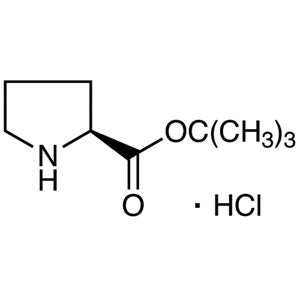
- TCI P1729 5497-76-7 L-Proline tert-Butyl Ester Hydrochloride
- Drug development research benefits from this compound as it is used in the synthesis of peptides and amino acid derivatives, which are critical in pharmaceutical compound design.
- Biochemical analysis relies on its reactivity and solubility, making it suitable for molecular structure studies and functional group modification.
- Peptide chemistry applications utilize its ester functionality for coupling reactions and sequence assembly in synthetic peptide production.
- Organic synthesis experiments take advantage of its stability and reactivity, allowing for controlled chemical transformations in complex molecule creation.
- Biological activity testing incorporates this compound to investigate its interactions with enzymes and receptors, aiding in the development of bioactive compounds.
| Brand | TCI |
|---|---|
| CAS number | 53843-90-6 |
| Molecular formula | — |
| Purity | — |
| Category | Chemistry > Chemical Biology > Peptide Chemistry |
| Pack sizes | Available in various quantities as per standard laboratory supply formats |
| Physical form | Solid |
| Storage | Store in a cool, dry place away from moisture and light |
This compound should be stored in a cool, dry environment, away from moisture and direct light to maintain its chemical stability. It is recommended to use airtight containers to prevent exposure to humidity, which could affect its reactivity and purity. In laboratory settings, it should be handled with standard chemical safety precautions, including the use of gloves and protective eyewear. Due to its chemical nature, it should be stored separately from incompatible substances to avoid potential reactions. Proper labeling of containers is essential for safe handling and to ensure that all laboratory personnel are aware of its properties and storage requirements.
—
Product Categories
Produk Terkait
-
N-(tert-Butoxycarbonyl)-D-prolineMethylEster TCI B4787
Regular price From Rp 769.650,00Regular price -
N-(tert-Butoxycarbonyl)-cis-4-hydroxy-L-prolineMethylEster TCI B3987
Regular price From Rp 689.850,00Regular price -
N-(tert-Butoxycarbonyl)-trans-4-hydroxy-L-prolineMethylEster TCI B3843
Regular price From Rp 769.650,00Regular price -
N-(tert-Butoxycarbonyl)-D-prolineSuccinimidylEster TCI B3414
Regular price From Rp 743.400,00Regular price -
D-ProlineMethylEsterHydrochloride TCI P1730
Regular price From Rp 1.087.800,00Regular price -
L-Prolinetert-ButylEsterHydrochloride TCI P1729
Regular price From Rp 2.306.850,00Regular price -
L-ProlineMethylEsterHydrochloride TCI P0342
Regular price From Rp 1.326.150,00Regular price -
trans-4-Hydroxy-L-prolineMethylEsterHydrochloride TCI H1533
Regular price From Rp 1.008.000,00Regular price