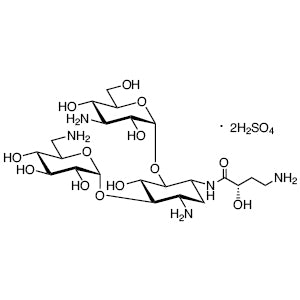
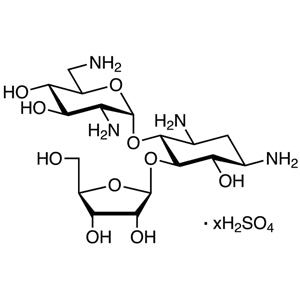
Polymyxin B Sulfate TCI P1923 is a powerful antibiotic compound widely used in biochemical and microbiological experiments within laboratories. As a key reagent, it plays a crucial role in identifying and isolating bacterial strains, particularly in antibiotic susceptibility testing. Its ability to target gram-negative bacteria makes it an essential tool for researchers working on microbial analysis and infection studies. This compound is frequently employed in diagnostic and research settings to support the development of new antimicrobial strategies.
The compound is known for its stability and solubility in water, which makes it a preferred choice for various laboratory applications. Its complex chemical structure allows for specific chemical reactions in biochemical processes, enhancing its utility in analytical procedures. Additionally, Polymyxin B Sulfate is resistant to degradation under proper storage conditions, ensuring consistent performance over time. These properties contribute to its reliability in scientific experiments requiring precision and accuracy.
In Indonesian laboratories, Polymyxin B Sulfate is commonly used in research institutions, universities, and healthcare facilities. It is an integral part of microbiological testing, antibiotic development, and diagnostic procedures. Its availability and quality make it a trusted reagent for both academic and industrial research in the region.
TCI brochures (PDF)
- Antimicrobials and Antitumor Agents for Research and Experimental Use 2025-04-24 · p. 4
- Pharmaceutical Ingredients for Research and Experimental Use 2026-03-09 · p. 4
- Antibiotic Susceptibility Testing: Polymyxin B Sulfate is ideal for determining the effectiveness of antibiotics against specific bacterial strains, aiding in the identification of resistance patterns.
- Microbial Isolation and Identification: Its strong antimicrobial activity enables the selective isolation of gram-negative bacteria, supporting accurate microbiological analysis.
- Diagnostic Microbiology: It is used in laboratory diagnostics to detect and characterize bacterial infections, contributing to patient care and public health monitoring.
- Biochemical Reactions: The compound's chemical structure allows it to participate in specific biochemical reactions, making it valuable in analytical and research applications.
- Antibiotic Development Research: Its role in testing and developing new antimicrobial agents makes it a key component in pharmaceutical and biotechnology research.
| Brand | TCI |
|---|---|
| CAS number | 1405-20-5 |
| Molecular formula | — |
| Purity | — |
| Category | Life Science > Biochemicals and Reagents > Antibiotics |
| Pack sizes | Available in various quantities as per supplier specifications |
| Physical form | Powder |
| Storage | Store in a cool, dry place away from direct sunlight |
Polymyxin B Sulfate should be stored in a cool, dry environment, away from direct sunlight and moisture. It is recommended to keep the compound in a sealed container to prevent contamination and maintain its stability. Due to its chemical nature, it should be handled with care, using appropriate personal protective equipment such as gloves and safety goggles. Avoid exposure to incompatible substances to ensure safety during storage and use. In laboratory settings, proper ventilation is essential to minimize inhalation risks. Regular monitoring of storage conditions ensures the compound remains effective and safe for use in research and diagnostic applications.
—
Product Categories
- Biochemicals and ReagentsAntibioticsAntibiotics (Chemical Structure Class)
- Biochemicals and ReagentsPharmaceutical Research Reagents (for Experimental Use)Antimicrobial Ingredients (for Research and Experimental Use)
- Biochemicals and Reagents
- MicrobiologyAntibioticsAntibiotics (Chemical Structure Class)
- Pharmaceutical Development and Drug Discovery ResearchPharmaceutical Research Reagents (for Experimental Use)Antimicrobial Ingredients (for Research and Experimental Use)
- Pharmaceutical Development and Drug Discovery ResearchAntibioticsAntibiotics (Chemical Structure Class)
Produk Terkait
-
StreptomycinSulfate TCI S0585
Regular price From Rp 822.150,00Regular priceRp 590.100,00Sale price From Rp 822.150,00 -
ParomomycinSulfate TCI P2092
Regular price From Rp 1.087.800,00Regular priceRp 775.950,00Sale price From Rp 1.087.800,00 -
GentamicinSulfate TCI G0383
Regular price From Rp 1.988.700,00Regular priceRp 1.405.950,00Sale price From Rp 1.988.700,00 -
FradiomycinSulfate TCI F0649
Regular price Rp 2.041.200,00Regular priceRp 1.442.700,00Sale price Rp 2.041.200,00 -
BleomycinSulfate(mixture) TCI B3972
Regular price From Rp 4.345.950,00Regular priceRp 3.054.450,00Sale price From Rp 4.345.950,00 -
ApramycinSulfate TCI A3395
Regular price From Rp 2.597.700,00Regular priceRp 1.832.250,00Sale price From Rp 2.597.700,00 -
AmikacinSulfate TCI A2281
Regular price From Rp 1.483.650,00Regular priceRp 1.053.150,00Sale price From Rp 1.483.650,00 -
RibostamycinSulfate TCI R0194
Regular price Rp 6.756.750,00Regular priceRp 4.740.750,00Sale price Rp 6.756.750,00