3-Phenylpyrazole-5-carboxylic Acid from TCI is a heterocyclic building block based on the pyrazole ring. The pyrazole ring carries a phenyl group on one side and a carboxylic acid group on the other. Pyrazole is a five-membered aromatic ring with two adjacent nitrogen atoms, and this motif appears in many pharmaceutical and agrochemical compounds. In the laboratory, the compound serves as a starting material for synthesizing amides, esters, and a range of more complex pyrazole derivatives, which makes it a practical intermediate in organic and medicinal chemistry research.
A key advantage of this compound is that it offers two points of interaction in one molecule. The pyrazole ring has an N–H group that can act as a hydrogen-bond donor and a second nitrogen atom that can act as an acceptor, while the carboxylic acid group provides a reactive handle for derivatization. Pyrazoles that are unsubstituted on nitrogen also show tautomerism, so the 3- and 5-position labels are sometimes used interchangeably in the literature. The phenyl group adds hydrophobic character and structural rigidity, which makes this scaffold attractive for designing molecules intended to interact with protein binding pockets.
In Indonesia, the synthesis of pyrazole derivatives is a popular topic in medicinal chemistry research at pharmacy faculties and chemistry departments. Researchers and students working on final-year projects, theses, and funded research use building blocks like this one to prepare series of related compounds for structure–activity studies. University synthesis laboratories, pharmaceutical research and development teams, and research institutions can use this reagent as a consistent, well-defined starting point for multi-step synthetic routes.
Related TCI products
- TCI M2692 91138-00-0 5-Methyl-1-phenylpyrazole-4-carboxylic Acid
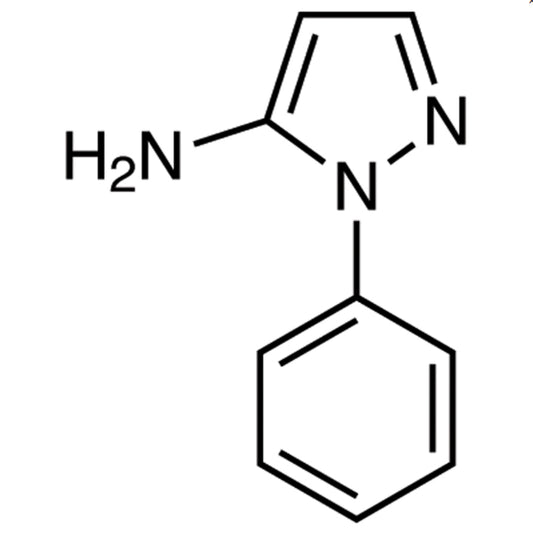
- TCI A0174 826-85-7 5-Amino-1-phenylpyrazole
- TCI T2724 1072-91-9 1,3,5-Trimethylpyrazole
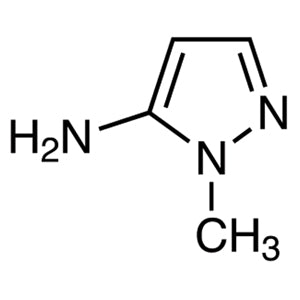
- TCI A3303 1192-21-8 5-Amino-1-methylpyrazole
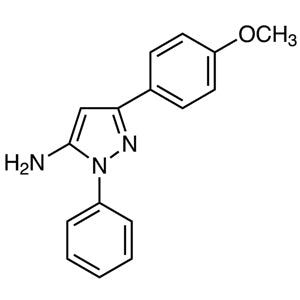
- TCI A3055 19652-13-2 5-Amino-3-(4-methoxyphenyl)-1-phenylpyrazole
- TCI A3033 19652-14-3 5-Amino-3-(4-chlorophenyl)-1-phenylpyrazole
- Amide synthesis: the carboxylic acid group couples with a wide range of amines, letting chemists build libraries of pyrazole carboxamides for screening and comparison.
- Ester preparation: the acid can be esterified under standard conditions, giving pyrazole esters that serve as intermediates or as more lipophilic analogues for further study.
- Medicinal chemistry scaffold design: the rigid phenyl-pyrazole framework with hydrogen-bond donor and acceptor sites suits the design of molecules aimed at protein binding pockets.
- Structure–activity relationship studies: modifying the carboxylic acid while keeping the phenylpyrazole core constant lets researchers compare how specific changes affect biological activity.
- Synthesis of complex pyrazole derivatives: the compound is a convenient entry point to elaborate heterocyclic targets relevant to pharmaceutical and agrochemical research programs.
| Brand | TCI (product code P2021) |
|---|---|
| CAS number | 5071-61-4 |
| Molecular formula | — |
| Purity | — |
| Category | Chemistry > Building Blocks > Heterocyclic Building Blocks |
| Pack sizes | as listed on the product page |
| Physical form | refer to the TCI product label and certificate of analysis |
| Storage | keep tightly closed in a cool, dry place, following the TCI label recommendations |
Store 3-Phenylpyrazole-5-carboxylic Acid in its original, tightly sealed container in a cool, dry, well-ventilated area away from direct sunlight, moisture, and incompatible materials such as strong oxidizing agents and strong bases. If you transfer the material, use clean, dry, chemically compatible containers that are clearly labeled. Handle the compound in a fume hood or well-ventilated area, avoid creating or inhaling dust, and prevent contact with skin and eyes. Wear standard personal protective equipment, including a lab coat, safety glasses, and chemical-resistant gloves. Always check the Safety Data Sheet (SDS) before use, and dispose of waste according to local regulations and your institution's procedures.
—
Produk Terkait
-
5-Methyl-1-phenylpyrazole-4-carboxylicAcid TCI M2692
Regular price From Rp 1.829.100,00Regular price -
5-Amino-1-phenylpyrazole TCI A0174
Regular price From Rp 4.373.250,00Regular price -
1,3,5-Trimethylpyrazole TCI T2724
Regular price From Rp 717.150,00Regular price -
5-Amino-1-methylpyrazole TCI A3303
Regular price From Rp 1.803.900,00Regular price -
5-Amino-3-(4-methoxyphenyl)-1-phenylpyrazole TCI A3055
Regular price From Rp 1.087.800,00Regular price -
5-Amino-3-(4-chlorophenyl)-1-phenylpyrazole TCI A3033
Regular price From Rp 1.510.950,00Regular price -
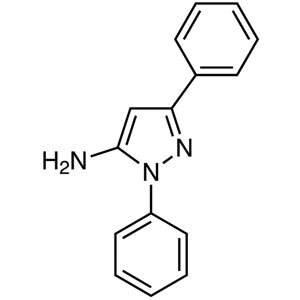
5-Amino-1,3-diphenylpyrazole TCI A2904
Regular price From Rp 823.200,00Regular price -
3-Amino-1-methylpyrazole TCI A2277
Regular price From Rp 530.250,00Regular price