2-Phenylanthracene is an organic compound widely used in chemical experiments, particularly in the synthesis of complex molecules. It is a key building block in organic chemistry, offering versatility in various synthetic pathways. Its complex aromatic structure and chemical stability make it a valuable resource for researchers aiming to develop new compounds. This compound is commonly found in laboratory settings where precision and reliability are essential. Its unique molecular framework allows for targeted chemical modifications, making it an essential tool in advanced chemical research.
The compound's stability under a range of chemical conditions and its resistance to degradation are key factors that make it a preferred choice for laboratory use. Its aromatic nature provides a robust platform for functional group transformations, while its low reactivity ensures predictable outcomes in synthetic reactions. These properties make it suitable for use in both academic and industrial research environments. The compound's ability to maintain its integrity during prolonged storage and exposure to various reagents further enhances its reliability in laboratory applications.
In Indonesian laboratories, 2-Phenylanthracene is frequently utilized in organic chemistry research, especially in studies involving reactivity and the synthesis of complex compounds. Its specific molecular structure and chemical stability make it a preferred material for researchers seeking to explore new synthetic routes. It is also commonly used in projects requiring precise molecular frameworks, contributing to advancements in pharmaceutical and material sciences.
TCI brochures (PDF)
- Building Blocks for Organic Semiconductor 2026-03-24 · p. 11
Related TCI products
- TCI P0138 602-55-1 9-Phenylanthracene
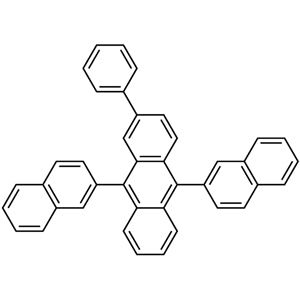
- TCI D5627 865435-20-7 9,10-Di(naphthalen-2-yl)-2-phenylanthracene
- TCI T3665 460347-59-5 4,4,5,5-Tetramethyl-2-(10-phenylanthracen-9-yl)-1,3,2-dioxaborolane
- TCI P2588 6485-97-8 2-Phenylanthraquinone
- TCI N0994 7424-70-6 9-(1-Naphthyl)anthracene
- TCI V0130 2444-68-0 9-Vinylanthracene
- Synthesis of Complex Organic Compounds: 2-Phenylanthracene is ideal for creating complex molecules due to its stable aromatic structure and reactivity.
- Pharmaceutical Research: Its unique molecular framework supports the development of new drugs and therapeutic agents.
- Material Science Studies: The compound's structural properties make it useful in the creation of advanced materials with specific chemical characteristics.
- Chemical Reactivity Studies: Its predictable behavior under various conditions aids in understanding reaction mechanisms and pathways.
- Industrial Chemistry Applications: It is used in industrial settings to develop new chemical products and processes requiring high chemical stability.
| Brand | TCI |
|---|---|
| CAS number | 1981-38-0 |
| Molecular formula | — |
| Purity | — |
| Category | Chemistry > Building Blocks > Non-Heterocyclic Building Blocks |
| Pack sizes | Available in standard laboratory quantities |
| Physical form | Solid |
| Storage | Store in a cool, dry place away from light |
2-Phenylanthracene should be stored in a cool, dry environment to maintain its chemical stability. It is best kept in airtight containers to prevent exposure to moisture and air. Due to its aromatic nature, it is advisable to store it away from heat sources and direct sunlight. Proper labeling of containers is essential for safety and identification. In laboratory settings, it should be handled with appropriate personal protective equipment to ensure safe handling. Regular monitoring of storage conditions helps maintain the compound's integrity and usability for research purposes.
—
Produk Terkait
-
9-Phenylanthracene TCI P0138
Regular price From Rp 1.829.100,00Regular price -
9,10-Di(naphthalen-2-yl)-2-phenylanthracene TCI D5627
Regular price Rp 5.539.800,00Regular price -
4,4,5,5-Tetramethyl-2-(10-phenylanthracen-9-yl)-1,3,2-dioxaborolane TCI T3665
Regular price From Rp 3.976.350,00Regular price -
2-Phenylanthraquinone TCI P2588
Regular price From Rp 875.700,00Regular price -
9-(1-Naphthyl)anthracene TCI N0994
Regular price From Rp 743.400,00Regular price -
9-Vinylanthracene TCI V0130
Regular price From Rp 2.545.200,00Regular price -
2-tert-Butylanthracene TCI B3541
Regular price From Rp 2.227.050,00Regular price -
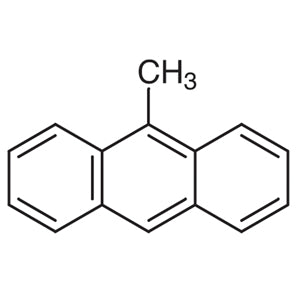
9-Methylanthracene TCI M0153
Regular price From Rp 795.900,00Regular price