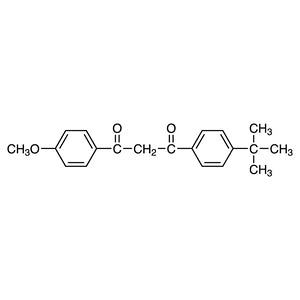
Pongamol, with the CAS number 484-33-3, is a chemical compound widely used in laboratory settings for the synthesis of heterocyclic compounds. As a key building block in organic chemistry, it plays a crucial role in the development of complex molecular structures. Its versatility makes it a valuable tool for researchers working on the creation of pharmaceuticals, pesticides, and industrial chemicals. This compound is essential for the synthesis of various heterocyclic structures, including pyridine and thiazole derivatives, which are commonly found in medicinal and agricultural applications.
Pongamol is known for its stable chemical structure and moderate reactivity, which facilitate substitution reactions and other synthetic processes. These properties make it an ideal choice for laboratory use, especially in environments where precision and reliability are paramount. Its solid form and ease of handling further enhance its appeal for use in both small-scale and large-scale chemical syntheses. The compound's reliability and consistent performance contribute to its popularity among chemists and researchers.
In Indonesian laboratories, Pongamol is extensively used by chemists, pharmacologists, and materials scientists. It is a key component in the development of new compounds that align with local needs, such as modern traditional medicines and environmentally friendly chemicals. Its application supports research and innovation in various scientific fields, making it a fundamental material in the chemical industry.
TCI brochures (PDF)
- Pharmaceutical Ingredients for Research and Experimental Use 2026-03-09 · p. 50
- Reagents for Biological Research 2025-03-11 · p. 50
- Synthesis of Heterocyclic Compounds: Pongamol is ideal for creating complex structures like pyridine and thiazole due to its stable chemical structure and reactivity.
- Pharmaceutical Research: Its use in developing new drugs supports the creation of compounds with specific biological activities.
- Pesticide Formulation: Pongamol contributes to the synthesis of compounds used in agricultural chemicals for pest control.
- Environmental Chemistry: It is used in the development of eco-friendly chemical products that reduce environmental impact.
- Materials Science: Its role in synthesizing new materials supports advancements in polymer and composite research.
| Brand | TCI |
|---|---|
| CAS number | 484-33-3 |
| Molecular formula | — |
| Purity | — |
| Category | Chemistry > Building Blocks > Heterocyclic Building Blocks |
| Pack sizes | Available in various quantities suitable for laboratory use |
| Physical form | Solid |
| Storage | Store in a cool, dry place away from moisture and direct sunlight |
Pongamol should be stored in a cool, dry environment to maintain its chemical stability. It is recommended to keep it in a sealed container to prevent exposure to moisture and air. Due to its solid form, it is best stored in airtight containers made of glass or high-density polyethylene. Avoid storing it near heat sources or in areas with high humidity. Always handle it with appropriate personal protective equipment to ensure safety in the laboratory. Regular inspection of storage conditions is advised to maintain the compound's integrity and effectiveness.
—
Product Categories
Produk Terkait
-
Allantoin TCI A0211
Regular price Rp 743.400,00Regular price -
KojicAcid TCI K0010
Regular price From Rp 1.246.350,00Regular price -
Arbutin TCI A0522
Regular price From Rp 452.550,00Regular price -
Triethylhexanoin TCI T4161
Regular price From Rp 743.400,00Regular price -
Avobenzone TCI B3382
Regular price From Rp 875.700,00Regular price -
alpha-Arbutin TCI A3284
Regular price From Rp 1.644.300,00Regular price -
AsiaticAcid TCI A2475
Regular price Rp 3.392.550,00Regular price -
StearylGlycyrrhetinate TCI S0988
Regular price From Rp 1.431.150,00Regular price