TCI P2849 Potassium Hydroxide (Pellets) is potassium hydroxide, KOH, supplied as solid pellets. KOH is one of the most widely used strong inorganic bases in chemistry laboratories. It dissolves very readily in water and also dissolves in alcohols such as methanol and ethanol, giving strongly basic solutions. Because of this, potassium hydroxide is a core material in analytical laboratories, organic synthesis, inorganic chemistry and electrochemical research. Its uses run from preparing standard solutions to serving as a reagent in reactions that need a strong base.
The pellet form is a practical choice: pellets are easier to weigh and pour than powder, and they produce much less dust. Potassium hydroxide is highly hygroscopic and readily absorbs carbon dioxide from the air, so over time it gradually turns into potassium carbonate. Users need to keep this in mind, but the same behaviour is also put to good use, for example to absorb CO2 or to act as a basic drying agent. KOH is generally more soluble in alcohols than sodium hydroxide. That is why alcoholic KOH is often chosen for saponification, elimination reactions and saponification value analysis of oils and fats.
In Indonesian laboratories, potassium hydroxide is used widely in testing laboratories, university teaching and research laboratories, and industrial quality control facilities. Analysts use it to prepare basic solutions and reagents for routine titrations and sample preparation. Researchers in organic and inorganic chemistry depend on it whenever a reliable strong base is needed. The TCI brand gives laboratory teams a recognised source of this everyday reagent, which helps keep work consistent from batch to batch.
TCI brochures (PDF)
- Metallic Salts 2025-11-06 · p. 9
Related TCI products
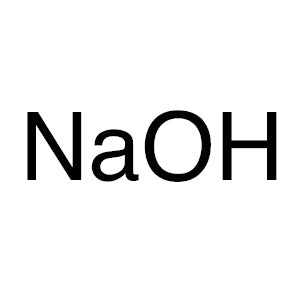
- TCI S0543 1310-73-2 Sodium Hydroxide (2mol/L in Water)
- TCI S0542 1310-73-2 Sodium Hydroxide (1mol/L in Water)
- TCI P2844 1310-58-3 Potassium Hydroxide (Powder)
- TCI O0575 1310-73-2 Sodium Hydroxide (Granulated)
- TCI L0225 1310-65-2 Lithium Hydroxide Anhydrous
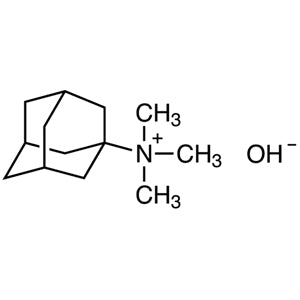
- TCI T3821 53075-09-5 N,N,N-Trimethyl-1-adamantylammonium Hydroxide (25% in Water)
- Preparation of standard and basic solutions: KOH dissolves readily in water, so laboratories can make strongly basic solutions for titration, pH adjustment and general analytical work without trouble.
- Saponification and saponification value analysis: KOH dissolves well in alcohols, which makes alcoholic KOH the usual reagent for saponifying oils and fats and for finding their saponification value.
- Base-promoted organic reactions: As a strong inorganic base, potassium hydroxide works well in elimination reactions and other synthesis steps that need a strongly basic environment, in either alcoholic or aqueous media.
- Carbon dioxide absorption: KOH readily absorbs CO2 from the air and forms potassium carbonate, so it can be used to remove carbon dioxide from gas streams or closed laboratory setups.
- Basic drying agent and electrochemical research: Because it is highly hygroscopic, KOH can serve as a basic drying agent, and its strongly basic solutions are also used in electrochemistry research.
| Brand | TCI (product code P2849) |
|---|---|
| CAS number | 1310-58-3 |
| Molecular formula | — |
| Purity | — |
| Category | Chemistry > Catalysis and Inorganic Chemistry > Metallic Salts |
| Pack sizes | Please refer to the product listing for the pack sizes currently offered |
| Physical form | Solid pellets |
| Storage | Keep tightly sealed and protected from moisture and air, because the material is highly hygroscopic and absorbs carbon dioxide |
Store potassium hydroxide pellets in a tightly closed container in a cool, dry, well-ventilated area, away from acids and incompatible materials. The material is highly hygroscopic and absorbs carbon dioxide from the air, so reseal the container right after each use to stop it from absorbing moisture and slowly turning into potassium carbonate. Use containers made of materials that resist strong bases, and label them clearly. KOH is a strong, corrosive base. Wear chemical-resistant gloves, safety goggles and a lab coat when handling it, and avoid any contact with skin or eyes. Dissolving the pellets in water releases heat, so add them slowly with stirring. Always check the supplier's Safety Data Sheet for full hazard and first-aid information.
—
Produk Terkait
-
SodiumHydroxide(2mol/LinWater) TCI S0543
Regular price Rp 477.750,00Regular priceRp 333.900,00Sale price Rp 477.750,00 -
SodiumHydroxide(1mol/LinWater) TCI S0542
Regular price Rp 530.250,00Regular priceRp 370.650,00Sale price Rp 530.250,00 -
PotassiumHydroxide(Powder) TCI P2844
Regular price From Rp 505.050,00Regular priceRp 352.800,00Sale price From Rp 505.050,00 -
SodiumHydroxide(Granulated) TCI O0575
Regular price From Rp 477.750,00Regular priceRp 333.900,00Sale price From Rp 477.750,00 -
LithiumHydroxideAnhydrous TCI L0225
Regular price From Rp 980.700,00Regular priceRp 685.650,00Sale price From Rp 980.700,00 -
N,N,N-Trimethyl-1-adamantylammoniumHydroxide(25%inWater) TCI T3821
Regular price From Rp 2.093.700,00Regular priceRp 1.479.450,00Sale price From Rp 2.093.700,00 -
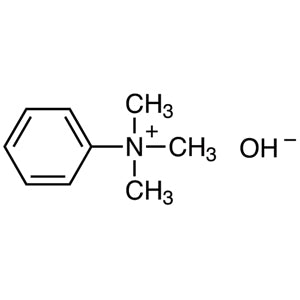
TrimethylphenylammoniumHydroxide(ca.8.5%inMethanol) TCI T3610
Regular price From Rp 1.087.800,00Regular priceRp 775.950,00Sale price From Rp 1.087.800,00 -
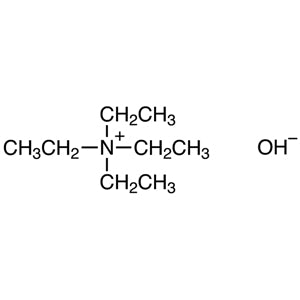
TetraethylammoniumHydroxide(35%inWater) TCI T2589
Regular price From Rp 822.150,00Regular priceRp 590.100,00Sale price From Rp 822.150,00