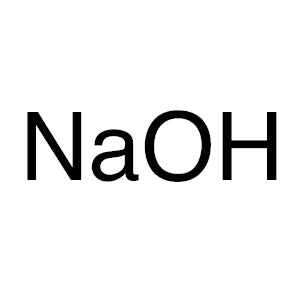
Granulated Sodium Hydroxide (NaOH), with the CAS number 1310-73-2, is a fundamental chemical compound widely used in laboratory settings. As a strong base, it plays a crucial role in various chemical reactions, particularly in catalytic and inorganic chemistry. Its ability to facilitate reactions such as hydrolysis and saponification makes it an essential reagent for chemists. In the context of cross-coupling reactions involving transition metal catalysts, sodium hydroxide is often employed to adjust pH or promote the formation of carbon-carbon bonds. Its versatility and reactivity make it a key component in many synthetic processes.
Sodium Hydroxide granules are known for their high solubility in water and strong alkaline properties. These characteristics make it a preferred choice for applications requiring precise pH control or strong basic conditions. Its granular form allows for easy handling and controlled dissolution, which is advantageous in laboratory experiments. The chemical stability of granulated sodium hydroxide ensures consistent performance across different experimental setups. Additionally, its ability to react with a wide range of organic and inorganic compounds enhances its utility in diverse chemical applications.
In Indonesian laboratories, granulated sodium hydroxide is commonly used in both academic and research environments. It is a staple in chemical synthesis, analytical chemistry, and industrial process development. Researchers in Indonesia rely on this reagent for its reliability and effectiveness in promoting chemical reactions. Its presence in laboratory supply chains underscores its importance in supporting scientific research and innovation in the region.
TCI brochures (PDF)
- Metallic Salts 2025-11-06 · p. 9
- Cross-coupling reactions using transition metal catalysts benefit from sodium hydroxide's ability to adjust pH and facilitate carbon-carbon bond formation.
- Hydrolysis reactions often require strong bases like sodium hydroxide to break down complex molecules into simpler components.
- Saponification processes in organic chemistry rely on sodium hydroxide to catalyze the breakdown of esters into fatty acids and glycerol.
- pH adjustment in aqueous solutions is a common application, where sodium hydroxide is used to neutralize acidic environments.
- Precipitation reactions in analytical chemistry utilize sodium hydroxide to form insoluble compounds for qualitative analysis.
| Brand | TCI |
|---|---|
| CAS number | 1310-73-2 |
| Molecular formula | — |
| Purity | — |
| Category | Chemistry > Catalysis and Inorganic Chemistry > Cross-coupling Reaction using Transition Metal Catalysts [C-C Bond Formation] |
| Pack sizes | Available in standard laboratory quantities |
| Physical form | Granulated solid |
| Storage | — |
Granulated Sodium Hydroxide should be stored in a cool, dry, and well-ventilated area away from moisture and incompatible materials. It is recommended to use sealed containers made of materials resistant to alkali, such as polyethylene or glass. Due to its corrosive nature, direct contact with skin or eyes should be avoided, and appropriate personal protective equipment, including gloves and goggles, must be worn during handling. Sodium hydroxide should never be stored near flammable substances or in areas with high humidity. It is important to ensure proper labeling and storage conditions to maintain its chemical integrity and ensure safe laboratory practices.
—
Product Categories
- Catalysis and Inorganic ChemistryCross-coupling Reaction using Transition Metal Catalysts [C-C Bond Formation]Bases and Additives [Cross-coupling Reaction using Transition Metal Catalysts]
- Catalysis and Inorganic ChemistryMetallic Salts [Catalysis and Inorganic Chemistry]Hydroxide Salts [Metallic Salts]
- Synthetic ReagentsAcids, Bases [Synthetic Reagents]Bases [Synthetic Reagents]
- Synthetic ReagentsC-C Bond Formation [Synthetic Reagents]Cross-coupling Reaction using Transition Metal Catalysts [C-C Bond Formation]
Produk Terkait
-
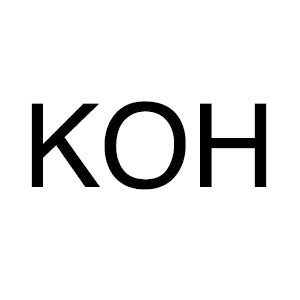
PotassiumHydroxide(Powder) TCI P2844
Regular price From Rp 505.050,00Regular priceRp 352.800,00Sale price From Rp 505.050,00 -
LithiumHydroxideAnhydrous TCI L0225
Regular price From Rp 980.700,00Regular priceRp 685.650,00Sale price From Rp 980.700,00 -
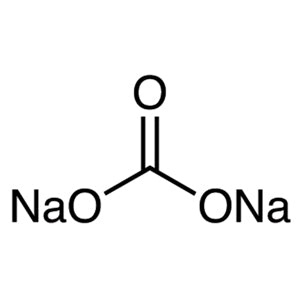
SodiumCarbonate TCI S0560
Regular price Rp 477.750,00Regular priceRp 333.900,00Sale price Rp 477.750,00 -
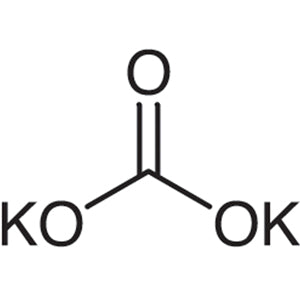
PotassiumCarbonate TCI P1748
Regular price Rp 505.050,00Regular priceRp 352.800,00Sale price Rp 505.050,00 -
CesiumCarbonate TCI C2160
Regular price From Rp 1.378.650,00Regular priceRp 979.650,00Sale price From Rp 1.378.650,00 -
SodiumHydroxide(2mol/LinWater) TCI S0543
Regular price Rp 477.750,00Regular priceRp 333.900,00Sale price Rp 477.750,00 -
SodiumHydroxide(1mol/LinWater) TCI S0542
Regular price Rp 530.250,00Regular priceRp 370.650,00Sale price Rp 530.250,00 -
PotassiumHydroxide(Pellets) TCI P2849
Regular price From Rp 452.550,00Regular priceRp 316.050,00Sale price From Rp 452.550,00