Potassium Hydroxide (KOH), also known as TCI P2844 with CAS number 1310-58-3, is a solid powder chemical commonly used in laboratory settings for various chemical reactions. It is a strong base and plays a crucial role in creating basic solutions, facilitating dehydrohalogenation reactions, and aiding in precipitation processes. In laboratory environments, KOH is often employed as a catalyst or reagent in reactions that require a basic medium. Its versatility makes it an essential component in both organic and inorganic chemistry experiments.
One of the key properties that make KOH a preferred choice is its high solubility in water, which allows it to dissolve quickly and efficiently. When dissolved, it can release significant heat, making it useful in reactions that require a reactive environment. Additionally, KOH exhibits good chemical stability under certain conditions, which enhances its reliability in laboratory applications. These properties contribute to its widespread use in both research and educational settings.
In Indonesian laboratories, KOH is frequently utilized in organic and inorganic chemistry research. Its availability and compliance with international quality standards make it a popular choice among researchers and students. It is commonly used in experiments involving dehydrohalogenation and other reactions that require a basic catalyst. Its role in supporting scientific inquiry is vital to the advancement of chemical knowledge in Indonesia.
TCI brochures (PDF)
- Metallic Salts 2025-11-06 · p. 9
- Suzuki-Miyaura Cross Coupling Reaction 2025-12-01 · p. 27
- Dehydrohalogenation reactions for producing alkenes, as KOH provides the necessary basic environment to facilitate the elimination of halogen atoms.
- Precipitation processes in analytical chemistry, where KOH helps in the formation of insoluble salts for qualitative analysis.
- Synthesis of organic compounds requiring a basic medium, as KOH acts as an effective catalyst in various organic transformations.
- Neutralization reactions in titration experiments, where KOH is used to determine the acidity or basicity of unknown solutions.
- Preparation of basic solutions for pH adjustment in various chemical and biochemical experiments, ensuring optimal reaction conditions.
| Brand | TCI |
|---|---|
| CAS number | 1310-58-3 |
| Molecular formula | — |
| Purity | — |
| Category | Chemistry > Catalysis and Inorganic Chemistry > Cross-coupling Reaction using Transition Metal Catalysts [C-C Bond Formation] |
| Pack sizes | — |
| Physical form | Powder |
| Storage | Store in a cool, dry place away from moisture and incompatible materials |
Potassium Hydroxide should be stored in a cool, dry place to prevent moisture absorption, which can lead to clumping or degradation. It is recommended to use airtight containers made of materials resistant to chemical corrosion, such as glass or high-density polyethylene. As a strong base, KOH can cause severe burns upon contact with skin or eyes, so appropriate personal protective equipment should always be worn when handling it. It should be kept away from acids and other reactive substances to avoid dangerous chemical reactions. In laboratory settings, it should be handled in a well-ventilated area to minimize exposure to fumes. Proper labeling and storage practices are essential to ensure safety and maintain the integrity of the chemical.
—
Product Categories
- Catalysis and Inorganic ChemistryCross-coupling Reaction using Transition Metal Catalysts [C-C Bond Formation]Bases and Additives [Cross-coupling Reaction using Transition Metal Catalysts]
- Catalysis and Inorganic ChemistryMetallic Salts [Catalysis and Inorganic Chemistry]Hydroxide Salts [Metallic Salts]
- Synthetic ReagentsAcids, Bases [Synthetic Reagents]Bases [Synthetic Reagents]
- Synthetic ReagentsC-C Bond Formation [Synthetic Reagents]Cross-coupling Reaction using Transition Metal Catalysts [C-C Bond Formation]
Produk Terkait
-
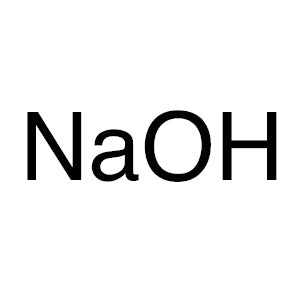
SodiumHydroxide(Granulated) TCI O0575
Regular price From Rp 477.750,00Regular priceRp 333.900,00Sale price From Rp 477.750,00 -
LithiumHydroxideAnhydrous TCI L0225
Regular price From Rp 980.700,00Regular priceRp 685.650,00Sale price From Rp 980.700,00 -
Zinc(Powder) TCI Z0015
Regular price Rp 477.750,00Regular priceRp 333.900,00Sale price Rp 477.750,00 -
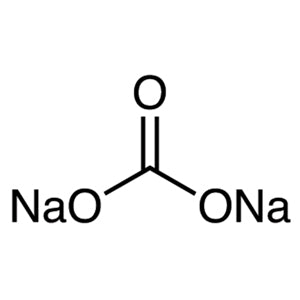
SodiumCarbonate TCI S0560
Regular price Rp 477.750,00Regular priceRp 333.900,00Sale price Rp 477.750,00 -
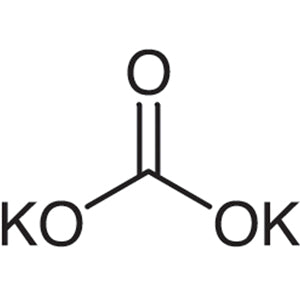
PotassiumCarbonate TCI P1748
Regular price Rp 505.050,00Regular priceRp 352.800,00Sale price Rp 505.050,00 -
CesiumCarbonate TCI C2160
Regular price From Rp 1.378.650,00Regular priceRp 979.650,00Sale price From Rp 1.378.650,00 -
SodiumHydroxide(2mol/LinWater) TCI S0543
Regular price Rp 477.750,00Regular priceRp 333.900,00Sale price Rp 477.750,00 -
SodiumHydroxide(1mol/LinWater) TCI S0542
Regular price Rp 530.250,00Regular priceRp 370.650,00Sale price Rp 530.250,00