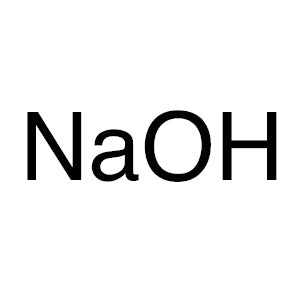
Sodium Hydroxide (NaOH), also known as caustic soda, is a solid chemical compound widely used in laboratory settings for various chemical reactions. It is a strong base that plays a crucial role in neutralization processes, solution preparation, and other chemical reactions. Its high reactivity makes it an essential reagent in analytical chemistry and industrial applications. In its 1mol/L aqueous form, NaOH is particularly valuable for quantitative and qualitative analysis due to its ability to maintain a high pH environment. This form is commonly used in titration experiments and other pH-dependent reactions.
The strong basic properties of Sodium Hydroxide make it a preferred choice for many laboratory applications. It is highly reactive, especially with acids and organic compounds, which allows it to be used in hydrolysis reactions and pH adjustment. Its ability to dissolve in water and form a highly concentrated solution makes it ideal for standard solution preparation. Additionally, its stability and predictable behavior under controlled conditions contribute to its reliability in scientific experiments. These properties ensure that Sodium Hydroxide remains a fundamental reagent in both academic and research laboratories.
In Indonesian laboratories, Sodium Hydroxide 1mol/L is frequently used in chemical analysis, standard solution preparation, and basic chemical reactions. It is a staple in research facilities due to its availability and effectiveness in various experimental setups. Its role in titration and pH adjustment makes it a key component in both educational and industrial laboratory practices. The compound’s versatility and reliability make it a preferred choice for chemists and researchers in Indonesia.
TCI brochures (PDF)
- Xenoantigen and Anti-Xenoantigen Antibodies 2022-08-23 · p. 3
- Substrates for Biochemical Assays 2025-04-25 · p. 1
- Reagents for Preparing Animal Disease Models 2024-09-13 · p. 2
- Antibodies and Related Reagents 2026-07-29 · p. 22
- Metallic Salts 2025-11-06 · p. 9
- Reagents for Biological Research 2025-03-11 · p. 19
Related TCI products
- TCI S0543 1310-73-2 Sodium Hydroxide (2mol/L in Water)
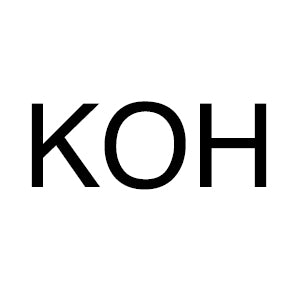
- TCI P2849 1310-58-3 Potassium Hydroxide (Pellets)
- TCI P2844 1310-58-3 Potassium Hydroxide (Powder)
- TCI O0575 1310-73-2 Sodium Hydroxide (Granulated)
- TCI L0225 1310-65-2 Lithium Hydroxide Anhydrous
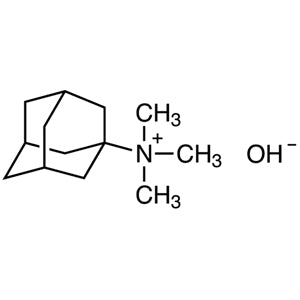
- TCI T3821 53075-09-5 N,N,N-Trimethyl-1-adamantylammonium Hydroxide (25% in Water)
- Preparation of standard solutions for acid-base titration due to its precise concentration and strong basic properties.
- Adjustment of pH in experimental solutions to maintain optimal reaction conditions for chemical processes.
- Hydrolysis of organic compounds in analytical chemistry to break down complex molecules into simpler forms.
- Neutralization reactions in waste treatment to neutralize acidic byproducts and ensure safe disposal.
- Calibration of pH meters and other analytical instruments to ensure accurate measurement of solution pH levels.
From the TCI brochure
- Terminates the pNPP reaction: add 100 µL per well
| Brand | TCI |
|---|---|
| CAS number | 1310-73-2 |
| Molecular formula | — |
| Purity | — |
| Category | Chemistry > Catalysis and Inorganic Chemistry > Main-group Elements |
| Pack sizes | 1L |
| Physical form | Aqueous solution |
| Storage | Store in a cool, dry place away from acids and organic materials. |
Sodium Hydroxide 1mol/L should be stored in a cool, dry place, away from direct sunlight and sources of heat. It is important to use appropriate containers that are resistant to chemical corrosion, such as glass or high-density polyethylene (HDPE) bottles. The solution should be kept in a well-ventilated area to prevent the buildup of harmful vapors. Due to its strong basic nature, it should be handled with care, using protective gloves and goggles to avoid skin and eye contact. Always ensure that the container is properly sealed to prevent evaporation and contamination. Proper labeling and storage conditions are essential to maintain the integrity and safety of the solution in a laboratory environment.
—
Product Categories
- Catalysis and Inorganic ChemistryMain-group Elements [Catalysis and Inorganic Chemistry]Sodium [Catalysis and Inorganic Chemistry]
- Catalysis and Inorganic ChemistryMetallic Salts [Catalysis and Inorganic Chemistry]Hydroxide Salts [Metallic Salts]
- Synthetic ReagentsAcids, Bases [Synthetic Reagents]Bases [Synthetic Reagents]
Product Articles
-
PH Meter: Panduan Memilih, Kalibrasi, dan Perawatan untuk Lab12 Oct 2026
Panduan pH meter untuk lab: cara kerja, jenis, spesifikasi, kalibrasi, penyimpanan elektroda, dan FAQ bagi peneliti, analis QC, dan mahasiswa.
Produk Terkait
-
SodiumHydroxide(2mol/LinWater) TCI S0543
Regular price Rp 477.750,00Regular priceRp 333.900,00Sale price Rp 477.750,00 -
PotassiumHydroxide(Pellets) TCI P2849
Regular price From Rp 452.550,00Regular priceRp 316.050,00Sale price From Rp 452.550,00 -
PotassiumHydroxide(Powder) TCI P2844
Regular price From Rp 505.050,00Regular priceRp 352.800,00Sale price From Rp 505.050,00 -
SodiumHydroxide(Granulated) TCI O0575
Regular price From Rp 477.750,00Regular priceRp 333.900,00Sale price From Rp 477.750,00 -
LithiumHydroxideAnhydrous TCI L0225
Regular price From Rp 980.700,00Regular priceRp 685.650,00Sale price From Rp 980.700,00 -
N,N,N-Trimethyl-1-adamantylammoniumHydroxide(25%inWater) TCI T3821
Regular price From Rp 2.093.700,00Regular priceRp 1.479.450,00Sale price From Rp 2.093.700,00 -
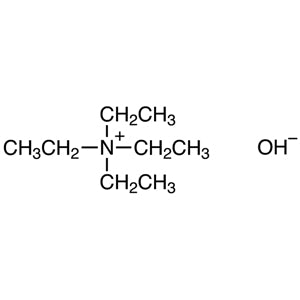
TetraethylammoniumHydroxide(35%inWater) TCI T2589
Regular price From Rp 822.150,00Regular priceRp 590.100,00Sale price From Rp 822.150,00 -
TetrabutylammoniumHydroxide(40%inWater) TCI T1685
Regular price From Rp 1.246.350,00Regular priceRp 887.250,00Sale price From Rp 1.246.350,00