Sodium hydroxide (NaOH), with a concentration of 2 mol/L in water, is a fundamental chemical compound widely used in laboratory settings. This strong base plays a crucial role in various chemical reactions, including neutralization, hydrolysis, and the preparation of standard solutions. Its versatility makes it an essential reagent for both educational and research purposes in Indonesian laboratories. Due to its high reactivity and ability to alter pH levels, it is frequently employed in analytical and synthetic chemistry applications.
The properties of sodium hydroxide that make it a preferred choice include its high solubility in water, strong basicity, and ability to react vigorously with acids. These characteristics enable it to be used in a wide range of chemical processes, such as saponification, metal extraction, and pH adjustment. Its chemical stability under controlled conditions further enhances its reliability in laboratory experiments. However, its corrosive nature requires careful handling to ensure safety and prevent damage to equipment or biological tissues.
In Indonesian laboratories, sodium hydroxide 2 mol/L is commonly used in both academic and industrial research. It is a staple in chemistry curricula at universities and high schools, where it is used to teach fundamental concepts of acid-base reactions and solution preparation. Its presence in educational institutions highlights its importance in advancing scientific knowledge and practical skills among students and researchers.
TCI brochures (PDF)
- Reagents for Preparing Animal Disease Models 2024-09-13 · p. 2
- Metallic Salts 2025-11-06 · p. 9
Related TCI products
- TCI S0542 1310-73-2 Sodium Hydroxide (1mol/L in Water)
- TCI P2849 1310-58-3 Potassium Hydroxide (Pellets)
- TCI P2844 1310-58-3 Potassium Hydroxide (Powder)
- TCI O0575 1310-73-2 Sodium Hydroxide (Granulated)
- TCI L0225 1310-65-2 Lithium Hydroxide Anhydrous
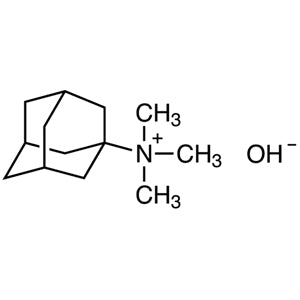
- TCI T3821 53075-09-5 N,N,N-Trimethyl-1-adamantylammonium Hydroxide (25% in Water)
- Neutralization reactions in titration experiments due to its strong basic properties and precise concentration.
- Preparation of standard solutions for pH calibration and analytical chemistry procedures.
- pH adjustment in biochemical experiments to maintain optimal reaction conditions for enzyme activity.
- Metal ion precipitation in qualitative analysis to identify and separate metal compounds.
- Saponification processes in organic chemistry to produce soaps and study ester hydrolysis reactions.
| Brand | TCI |
|---|---|
| CAS number | 1310-73-2 |
| Molecular formula | — |
| Purity | — |
| Category | Chemistry > Catalysis and Inorganic Chemistry > Main-group Elements |
| Pack sizes | Available in standard laboratory quantities as per supplier specifications |
| Physical form | Aqueous solution |
| Storage | Store in tightly sealed containers away from moisture and incompatible materials |
Sodium hydroxide should be stored in a cool, dry place, away from direct sunlight and sources of heat. It is essential to use corrosion-resistant containers, such as glass or polyethylene, to prevent chemical reactions with the container material. Due to its corrosive nature, it must be handled with appropriate personal protective equipment, including gloves, goggles, and a lab coat. In laboratory settings, it should be kept in a well-ventilated area to minimize exposure to airborne particles. Regular monitoring of storage conditions is recommended to ensure the chemical remains stable and safe for use. Always follow established safety protocols when handling this strong base to prevent accidents and ensure a safe working environment.
—
Product Categories
- Catalysis and Inorganic ChemistryMain-group Elements [Catalysis and Inorganic Chemistry]Sodium [Catalysis and Inorganic Chemistry]
- Catalysis and Inorganic ChemistryMetallic Salts [Catalysis and Inorganic Chemistry]Hydroxide Salts [Metallic Salts]
- Synthetic ReagentsAcids, Bases [Synthetic Reagents]Bases [Synthetic Reagents]
Produk Terkait
-
SodiumHydroxide(1mol/LinWater) TCI S0542
Regular price Rp 530.250,00Regular priceRp 370.650,00Sale price Rp 530.250,00 -
PotassiumHydroxide(Pellets) TCI P2849
Regular price From Rp 452.550,00Regular priceRp 316.050,00Sale price From Rp 452.550,00 -
PotassiumHydroxide(Powder) TCI P2844
Regular price From Rp 505.050,00Regular priceRp 352.800,00Sale price From Rp 505.050,00 -
SodiumHydroxide(Granulated) TCI O0575
Regular price From Rp 477.750,00Regular priceRp 333.900,00Sale price From Rp 477.750,00 -
LithiumHydroxideAnhydrous TCI L0225
Regular price From Rp 980.700,00Regular priceRp 685.650,00Sale price From Rp 980.700,00 -
N,N,N-Trimethyl-1-adamantylammoniumHydroxide(25%inWater) TCI T3821
Regular price From Rp 2.093.700,00Regular priceRp 1.479.450,00Sale price From Rp 2.093.700,00 -
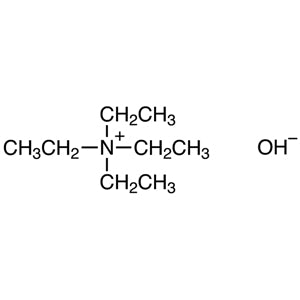
TetraethylammoniumHydroxide(35%inWater) TCI T2589
Regular price From Rp 822.150,00Regular priceRp 590.100,00Sale price From Rp 822.150,00 -
TetrabutylammoniumHydroxide(40%inWater) TCI T1685
Regular price From Rp 1.246.350,00Regular priceRp 887.250,00Sale price From Rp 1.246.350,00