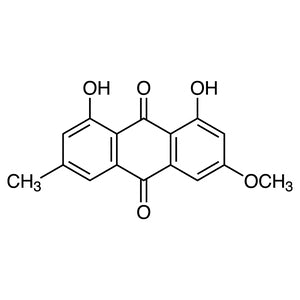
Physcion is a chemical compound widely used in life science research, particularly in cell biology and apoptosis studies. As a flavonoid, it plays a key role in interacting with specific proteins within cells, especially during programmed cell death. Its ability to modulate apoptotic pathways makes it an essential tool for researchers investigating the molecular mechanisms of cell death. Physcion is commonly utilized in laboratories to study the function of proteins such as Bcl-2, Bax, and caspase, which are central to the regulation of apoptosis. This compound is crucial for understanding how cells maintain homeostasis and how tumor growth can be controlled through regulated cell death.
Physcion is valued for its chemical stability and solubility in organic solvents such as ethyl acetate and ethanol. These properties make it highly versatile for use in various analytical techniques, including spectroscopy, chromatography, and chemical reactions. Its ability to dissolve easily in different solvents enhances its practicality in laboratory settings. Additionally, Physcion’s relatively specific biological activity allows it to target certain cellular processes without disrupting other biological pathways, making it a reliable and precise research tool. This combination of stability, solubility, and specificity makes Physcion a preferred choice for many researchers.
In Indonesian laboratories, Physcion is frequently used in academic and industrial research settings to explore the molecular mechanisms of apoptosis. It is a common component in experiments related to cancer biology, drug development, and cellular signaling. Its availability in solid form and compatibility with various solvents make it a practical and accessible material for researchers in Indonesia. The compound supports a wide range of experimental approaches, contributing to the advancement of scientific knowledge in the region.
TCI brochures (PDF)
- Phytochemicals 2025-12-17 · p. 13
- Reagents for Biological Research 2025-03-11 · p. 35
- Apoptosis Research: Physcion is used to study programmed cell death, helping scientists understand the molecular pathways involved in cell death.
- Cancer Biology Studies: It aids in investigating how apoptosis is regulated in cancer cells, providing insights into potential therapeutic targets.
- Protein Interaction Analysis: Physcion facilitates the study of interactions between proteins such as Bcl-2 and Bax, which are critical in apoptosis regulation.
- Drug Development: It is employed in screening compounds that can modulate apoptotic pathways, supporting the development of new therapeutic agents.
- Biochemical Assays: Physcion is used in various biochemical tests to assess the effects of compounds on cell death mechanisms.
| Brand | TCI |
|---|---|
| CAS number | 521-61-9 |
| Molecular formula | — |
| Purity | — |
| Category | Life Science > Cell Biology > Apoptosis |
| Pack sizes | Available in various quantities as per supplier specifications |
| Physical form | Solid |
| Storage | Store in a cool, dry place away from light |
Physcion should be stored in a cool, dry place away from direct light to maintain its chemical stability. It is recommended to use airtight containers to prevent moisture absorption and contamination. Due to its solubility in organic solvents, it should be handled in a well-ventilated area to avoid inhalation of vapors. Researchers should wear appropriate personal protective equipment, such as gloves and safety goggles, when handling the compound. Proper disposal of any unused material should follow standard laboratory waste protocols to ensure safety and compliance with environmental regulations. Regular monitoring of storage conditions is advised to ensure the integrity of the compound remains unaffected.
—
Produk Terkait
-
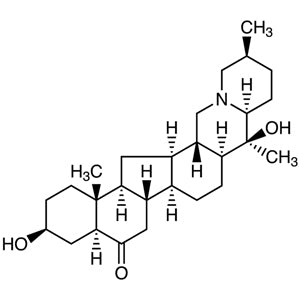
Peiminine TCI P2609
Regular price From Rp 3.155.250,00Regular price -
Piperlongumine TCI P2361
Regular price Rp 2.041.200,00Regular price -
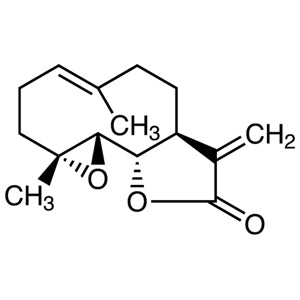
Parthenolide TCI P1982
Regular price From Rp 2.332.050,00Regular price -
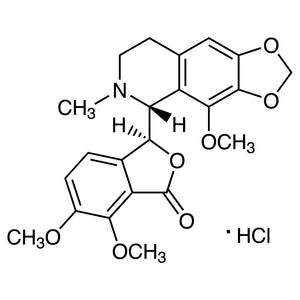
NoscapineHydrochloride TCI N0963
Regular price Rp 3.340.050,00Regular price -
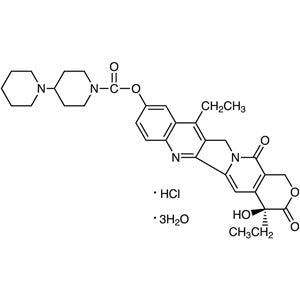
IrinotecanHydrochlorideTrihydrate TCI I0714
Regular price Rp 6.811.350,00Regular price -
FlavokawainA TCI H1571
Regular price From Rp 1.618.050,00Regular price -
(-)-GallocatechinGallate TCI G0628
Regular price Rp 6.943.650,00Regular price -
Demethoxycurcumin TCI D6479
Regular price Rp 2.889.600,00Regular price