(2-Phenylacetyl)-L-glutamine is a chemical compound widely used in chemical and biochemical experiments. It is a derivative of glutamic acid, modified with a phenylacetyl group, making it a valuable reagent in peptide chemistry. This compound plays a crucial role in laboratory settings, particularly in the synthesis of complex molecules and the study of molecular interactions. Its ability to bind with proteins makes it essential for research into biological processes and molecular mechanisms. Due to its structural complexity, it is frequently employed in advanced biochemical studies and drug development projects.
The chemical properties of (2-Phenylacetyl)-L-glutamine make it a preferred choice for researchers. It exhibits high reactivity, allowing for specific and effective chemical reactions. Its stability under certain conditions ensures reliable results in experiments, while its solubility in organic solvents facilitates easy handling and application. These characteristics make it ideal for use in peptide modification and molecular design. Its sensitivity to moisture and air also highlights the need for careful storage and handling, which is essential for maintaining its integrity and effectiveness in research.
In Indonesian laboratories, (2-Phenylacetyl)-L-glutamine is commonly used in biomedical research and molecular biology studies. It supports investigations into protein interactions, enzyme activity, and the development of therapeutic agents. Its versatility and chemical properties make it a key component in various experimental protocols, contributing to scientific advancements in both academic and industrial research settings.
Related TCI products
- TCI F0308 71989-20-3 Nalpha-[(9H-Fluoren-9-ylmethoxy)carbonyl]-L-glutamine
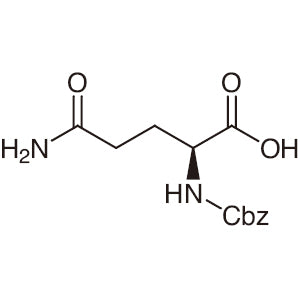
- TCI C0574 2650-64-8 N-Carbobenzoxy-L-glutamine
- TCI P0129 103-80-0 Phenylacetyl Chloride
- TCI M1104 39637-99-5 (R)-(-)-alpha-Methoxy-alpha-(trifluoromethyl)phenylacetyl Chloride [for Determination of the optical purity of Alcohols and Amines]
- TCI M1103 20445-33-4 (S)-(+)-alpha-Methoxy-alpha-(trifluoromethyl)phenylacetyl Chloride [for Determination of the optical purity of Alcohols and Amines]
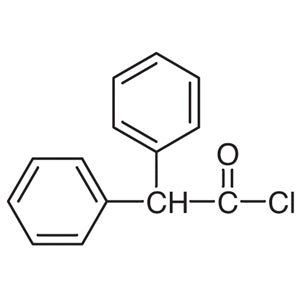
- TCI D2763 1871-76-7 Diphenylacetyl Chloride
- Peptide Synthesis: This compound is ideal for synthesizing complex peptides due to its reactivity and ability to form stable bonds with amino acids.
- Molecular Interaction Studies: Its capacity to bind with proteins makes it useful for studying molecular interactions and biological processes.
- Drug Development: It is frequently used in the development of new therapeutic agents, particularly in the modification of peptide-based drugs.
- Biochemical Assays: The compound supports various biochemical assays, including enzyme activity tests and receptor binding studies.
- Organic Chemistry Research: Its solubility in organic solvents makes it suitable for use in organic synthesis and reaction optimization.
| Brand | TCI |
|---|---|
| CAS number | 28047-15-6 |
| Molecular formula | — |
| Purity | — |
| Category | Chemistry > Chemical Biology > Peptide Chemistry |
| Pack sizes | Available in various quantities as per supplier specifications |
| Physical form | Solid powder |
| Storage | Store in a cool, dry place away from moisture and air exposure |
(2-Phenylacetyl)-L-glutamine should be stored in a cool, dry environment to maintain its chemical stability. It is recommended to keep the compound in airtight containers to prevent exposure to moisture and air, which can degrade its properties. Due to its sensitivity, it should be handled in a controlled laboratory setting, using appropriate personal protective equipment. Avoid direct contact with skin and eyes, and ensure proper ventilation when working with the compound. Regular monitoring of storage conditions is essential to ensure the compound remains viable for experimental use. Always follow standard laboratory safety protocols to minimize risks associated with its handling.
—
Product Categories
Produk Terkait
-
Nalpha-[(9H-Fluoren-9-ylmethoxy)carbonyl]-L-glutamine TCI F0308
Regular price Rp 505.050,00Regular price -
N-Carbobenzoxy-L-glutamine TCI C0574
Regular price From Rp 505.050,00Regular price -
PhenylacetylChloride TCI P0129
Regular price From Rp 477.750,00Regular price -
(R)-(-)-alpha-Methoxy-alpha-(trifluoromethyl)phenylacetylChloride[forDeterminationoftheopticalpurityofAlcoholsandAmines] TCI M1104
Regular price From Rp 1.961.400,00Regular price -
(S)-(+)-alpha-Methoxy-alpha-(trifluoromethyl)phenylacetylChloride[forDeterminationoftheopticalpurityofAlcoholsandAmines] TCI M1103
Regular price From Rp 2.147.250,00Regular price -
DiphenylacetylChloride TCI D2763
Regular price From Rp 1.140.300,00Regular price -
Diphenylacetylene TCI D0871
Regular price Rp 3.578.400,00Regular price -
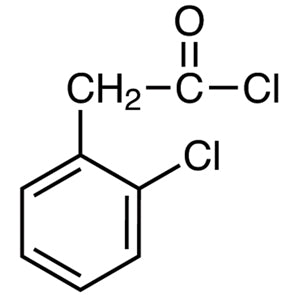
2-ChlorophenylacetylChloride TCI C2504
Regular price Rp 1.829.100,00Regular price
![Nalpha-[(9H-Fluoren-9-ylmethoxy)carbonyl]-L-glutamine (CAS 71989-20-3) - TCI F0308 - AMI Scientific](http://amiscientific.com/cdn/shop/files/TCI2510F0308.jpg?v=1768205337&width=533)

![39637-99-5 (R)-(-)-alpha-Methoxy-alpha-(trifluoromethyl)phenylacetyl Chloride [for Determination of the optical purity of Alcohols and Amines] - AMI Scientific](http://amiscientific.com/cdn/shop/files/TCI2510M1104.jpg?v=1767124321&width=533)
![39637-99-5 (R)-(-)-alpha-Methoxy-alpha-(trifluoromethyl)phenylacetyl Chloride [for Determination of the optical purity of Alcohols and Amines] - AMI Scientific](http://amiscientific.com/cdn/shop/files/TCI2510M1104_236ece49-4f9f-41af-b05d-1c245793e6af.jpg?v=1772416878&width=533)
![20445-33-4 (S)-(+)-alpha-Methoxy-alpha-(trifluoromethyl)phenylacetyl Chloride [for Determination of the optical purity of Alcohols and Amines] - AMI Scientific](http://amiscientific.com/cdn/shop/files/TCI2510M1103.jpg?v=1767124317&width=533)
![20445-33-4 (S)-(+)-alpha-Methoxy-alpha-(trifluoromethyl)phenylacetyl Chloride [for Determination of the optical purity of Alcohols and Amines] - AMI Scientific](http://amiscientific.com/cdn/shop/files/TCI2510M1103_48fd9d46-fd63-46b5-a725-d1dc2b9fad47.jpg?v=1768819168&width=533)