

Potassium chromate (K₂CrO₄) is a chemical compound widely used in laboratory experiments. It functions as a reagent with oxidizing properties, playing a key role in various chemical reactions to produce other compounds. In inorganic chemistry, potassium chromate is commonly used to precipitate specific metal ions, such as alkali and alkaline earth metals, through precipitation reactions. Its yellowish color and solubility in water make it a versatile material for use in different chemical solutions. Due to its oxidizing nature, potassium chromate is essential in catalytic processes and redox reactions. It is also valued for its chemical stability under certain conditions, allowing it to be used in a wide range of laboratory applications.
Potassium chromate is preferred for its chemical stability, solubility in water, and oxidizing properties. These characteristics make it an effective reagent in qualitative and quantitative analysis. Its ability to react with various substances while maintaining stability ensures reliable results in laboratory settings. The compound’s yellowish color also aids in visual identification during experiments. Its versatility in different chemical reactions and its compatibility with a wide range of laboratory procedures make it a reliable choice for chemists. Additionally, its consistent performance in analytical processes supports its use in both research and educational environments.
In Indonesian laboratories, potassium chromate is extensively used in analytical chemistry, particularly in acid-base testing and qualitative analysis. It is commonly found in educational institutions and research facilities where chemical experiments are conducted. Its role in precipitation reactions and redox processes makes it a valuable tool for students and professionals alike. Due to its stability and predictable behavior, it is a trusted reagent in both academic and industrial laboratory settings across Indonesia.
TCI brochures (PDF)
- Metallic Salts 2025-11-06 · p. 15
- Transition Metal Catalysts 2026-04-10 · p. 6
- Acid-base testing is commonly performed using potassium chromate as an indicator due to its color change properties in solution.
- Qualitative analysis benefits from potassium chromate’s ability to precipitate metal ions, aiding in the identification of specific compounds.
- Redox reactions often utilize potassium chromate as an oxidizing agent, facilitating the conversion of substances in controlled environments.
- Precipitation reactions rely on potassium chromate to isolate and identify metal ions through chemical precipitation.
- Educational experiments frequently incorporate potassium chromate to demonstrate chemical reactions and properties in a classroom setting.
| Brand | TCI |
|---|---|
| CAS number | 7789-00-6 |
| Molecular formula | — |
| Purity | — |
| Category | Chemistry > Catalysis and Inorganic Chemistry > Transition Elements |
| Pack sizes | Available in various quantities as per standard laboratory supply |
| Physical form | Solid powder |
| Storage | Store in a cool, dry place away from moisture and direct sunlight |
Potassium chromate should be stored in a cool, dry place, away from moisture and direct sunlight. It is recommended to use airtight containers to prevent exposure to air and humidity. Due to its oxidizing nature, it should be kept separate from flammable materials to avoid potential hazards. Proper labeling of containers is essential for safe handling and identification. Laboratory personnel should wear appropriate personal protective equipment, such as gloves and goggles, when handling this compound. Regular inspection of storage conditions ensures the material remains stable and safe for use in laboratory settings.
—
Produk Terkait
-
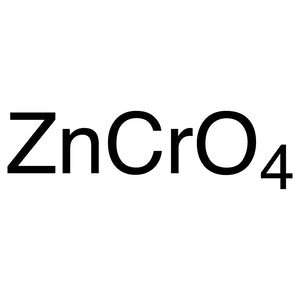
ZincChromate TCI Z0061
Regular price From Rp 909.000,00Regular priceRp 618.000,00Sale price From Rp 909.000,00 -
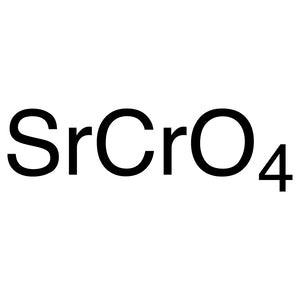
StrontiumChromate TCI T4156
Regular price From Rp 1.350.000,00Regular priceRp 918.000,00Sale price From Rp 1.350.000,00 -
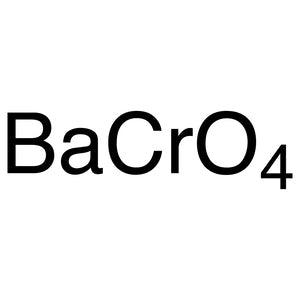
BariumChromate TCI B6568
Regular price Rp 831.000,00Regular priceRp 565.000,00Sale price Rp 831.000,00 -
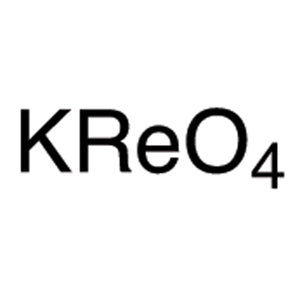
PotassiumPerrhenate TCI P1939
Regular price From Rp 1.143.000,00Regular priceRp 777.000,00Sale price From Rp 1.143.000,00 -
Chromium(III)Oxide TCI C4007
Regular price Rp 675.000,00Regular priceRp 459.000,00Sale price Rp 675.000,00 -
ReineckeSaltMonohydrate TCI R0004
Regular price Rp 1.765.000,00Regular priceRp 1.201.000,00Sale price Rp 1.765.000,00 -
PotassiumDichromate TCI P3156
Regular price From Rp 494.000,00Regular priceRp 336.000,00Sale price From Rp 494.000,00 -
SodiumSelenate TCI O0698
Regular price From Rp 1.661.000,00Regular priceRp 1.130.000,00Sale price From Rp 1.661.000,00