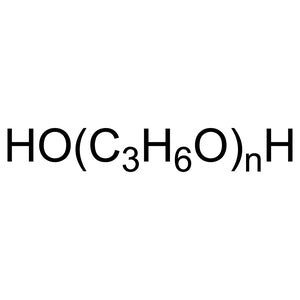
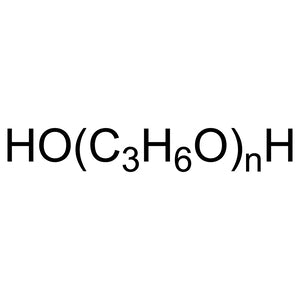
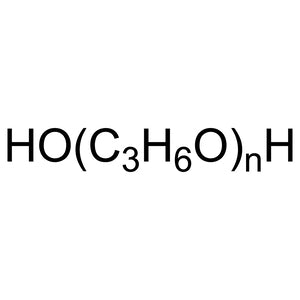
Polyoxypropylenediamine (POPA), with the CAS number 9046-10-0, is a versatile chemical compound widely used in laboratory settings. It serves as a key reagent in polymer synthesis and the creation of complex chemical structures. Its role in the laboratory is crucial for initiating and facilitating polymerization reactions, enabling the development of materials with tailored properties. As a diamine, it provides reactive sites that can be modified to achieve specific functional characteristics in the final product. This compound is particularly valuable in materials science for its ability to influence molecular architecture and enhance material performance.
The unique molecular structure of POPA, composed of a polypropylene oxide chain linked by amino groups, makes it a preferred choice for researchers. Its high reactivity allows it to participate in various chemical reactions, including cross-linking and chain extension. The ability to form strong chemical bonds contributes to the stability and functionality of the resulting materials. Additionally, its molecular diversity enables its application in a wide range of chemical processes, making it adaptable to different research needs. These properties ensure that POPA remains a valuable tool in both academic and industrial research environments.
In Indonesian laboratories, POPA is commonly used in material science, organic chemistry, and polymer technology research. Its availability and consistent quality make it a go-to reagent for scientists working on advanced material development. Researchers in Indonesia rely on POPA to create compounds with specific mechanical and thermal properties, supporting innovation in chemical and industrial applications. Its role in the development of functional materials underscores its importance in modern scientific research.
TCI brochures (PDF)
- Biomaterials Research Reagents 2025-02-19 · p. 5
- Monomers 2025-05-28 · p. 34
Related TCI products
- TCI P3215 9046-10-0 Polyoxypropylenediamine (Mw=ca 2000)
- TCI P3213 9046-10-0 Polyoxypropylenediamine (Mw=ca 430)
- TCI T4350 39423-51-3 Trimethylolpropane Poly(oxypropylene)triamine (Mw = ca 440)
- TCI P3279 25322-69-4 Poly(propylene glycol) 4000
- TCI P3278 25322-69-4 Poly(propylene glycol) 3000
- TCI P3277 25322-69-4 Poly(propylene glycol) 2000
- Polymer synthesis and modification where reactive functional groups are required for chain extension and cross-linking.
- Organic chemistry research involving the creation of complex molecular structures with tailored properties.
- Development of composite materials that require high mechanical strength and thermal stability.
- Functional material design for applications in coatings, adhesives, and specialty chemicals.
- Research in polymer technology focusing on the structural and performance characteristics of new materials.
| Brand | TCI |
|---|---|
| CAS number | 9046-10-0 |
| Molecular formula | — |
| Purity | — |
| Category | Materials Science > Polymer/Macromolecule Reagents > Monomers |
| Pack sizes | As per supplier specifications |
| Physical form | Liquid |
| Storage | Store in a cool, dry place away from direct sunlight |
Polyoxypropylenediamine should be stored in a cool, dry environment, away from direct sunlight and sources of heat. It is recommended to keep the container tightly sealed to prevent moisture absorption and contamination. The chemical is typically supplied in liquid form and should be stored in a well-ventilated area to ensure safe handling. Laboratory personnel should wear appropriate personal protective equipment, such as gloves and safety goggles, when working with this compound. Due to its reactivity, it should be handled with care to avoid exposure to incompatible substances. Proper storage and handling practices are essential to maintain the integrity and effectiveness of the material in research applications.
—
Produk Terkait
-
Polyoxypropylenediamine(Mw=ca2000) TCI P3215
Regular price From Rp 1.618.050,00Regular priceRp 1.146.600,00Sale price From Rp 1.618.050,00 -
Polyoxypropylenediamine(Mw=ca430) TCI P3213
Regular price From Rp 1.618.050,00Regular priceRp 1.146.600,00Sale price From Rp 1.618.050,00 -
TrimethylolpropanePoly(oxypropylene)triamine(Mw=ca440) TCI T4350
Regular price From Rp 1.510.950,00Regular priceRp 1.072.050,00Sale price From Rp 1.510.950,00 -
Poly(propyleneglycol)4000 TCI P3279
Regular price From Rp 557.550,00Regular priceRp 405.300,00Sale price From Rp 557.550,00 -
Poly(propyleneglycol)3000 TCI P3278
Regular price From Rp 557.550,00Regular priceRp 405.300,00Sale price From Rp 557.550,00 -
Poly(propyleneglycol)2000 TCI P3277
Regular price From Rp 557.550,00Regular priceRp 405.300,00Sale price From Rp 557.550,00 -
Poly(propyleneglycol)1000 TCI P3276
Regular price From Rp 557.550,00Regular priceRp 405.300,00Sale price From Rp 557.550,00 -
Poly(propyleneglycol)600 TCI P3275
Regular price From Rp 557.550,00Regular priceRp 405.300,00Sale price From Rp 557.550,00