Quinaldine Red is a chemical compound widely utilized in laboratory settings, particularly in the fields of chemistry and biology. It serves as a vital reagent in various experimental processes, including staining and dyeing applications. Its role is crucial in enabling researchers to observe chemical reactions and molecular structures with greater clarity. This compound is commonly used in analytical chemistry for its ability to interact with specific substances, making it an essential tool for both research and educational purposes.
The chemical properties of Quinaldine Red make it a preferred choice for laboratory use. It exhibits stability under certain conditions, ensuring consistent performance in experiments that require precision and accuracy. Its distinct color and uniform consistency facilitate easy identification and application across different experimental contexts. Additionally, its low volatility and relatively safe handling characteristics contribute to its popularity in laboratory environments. These properties make it a reliable and effective material for a wide range of scientific investigations.
In Indonesian laboratories, Quinaldine Red is frequently used in chemical research and teaching. It is commonly found in university laboratories, research institutions, and industrial facilities that require specialized chemical reagents. Its availability supports the conduct of experiments related to staining, analysis, and chemical synthesis, making it an integral part of the laboratory supply chain in Indonesia.
TCI brochures (PDF)
- Titration Reagents and TLC Stains 2026-05-07 · p. 11
- Chemical Staining and Dyeing: Quinaldine Red is ideal for staining applications due to its distinct color and stable chemical properties, allowing clear visualization of cellular structures and chemical reactions.
- Analytical Chemistry: Its ability to interact with specific compounds makes it suitable for analytical procedures, aiding in the identification and quantification of substances in complex mixtures.
- Molecular Structure Observation: The compound's role in enhancing the visibility of molecular structures makes it valuable in spectroscopic and microscopic analyses.
- Research and Educational Experiments: Its reliability and consistent performance make it a preferred choice for both academic and industrial research settings.
- Industrial Chemical Synthesis: Quinaldine Red is used in synthetic processes where precise chemical interactions are required, supporting the development of new compounds and materials.
| Brand | TCI |
|---|---|
| CAS number | 117-92-0 |
| Molecular formula | — |
| Purity | — |
| Category | Chemistry > Stains and Dyes (for Research and Experimental Use) > Stains and Dyes (Other) (for Research and Experimental Use) |
| Pack sizes | Available in various quantities as per standard laboratory supply specifications |
| Physical form | Solid powder or crystalline form, depending on the packaging |
| Storage | Store in a cool, dry place away from direct sunlight and moisture |
Quinaldine Red should be stored in a cool, dry environment to maintain its chemical stability and prevent degradation. It is recommended to use airtight containers to minimize exposure to air and moisture, which could affect its consistency and effectiveness. Proper labeling of storage containers is essential for safe handling and easy identification. In laboratory settings, it is important to follow standard safety protocols, such as wearing appropriate personal protective equipment when handling the compound. Avoiding prolonged exposure and ensuring proper ventilation are also key considerations to maintain a safe working environment. Regular inspection of storage conditions ensures the compound remains suitable for use in experimental applications.
—
Produk Terkait
-
QuinaldineEthiodide TCI E0172
Regular price Rp 2.016.000,00Regular price -
1,2,3,4-Tetrahydroquinaldine TCI T0112
Regular price From Rp 3.127.950,00Regular price -
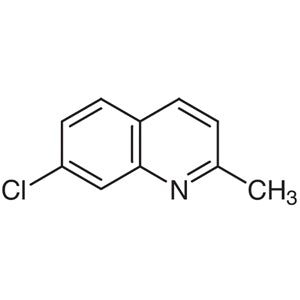
7-Chloroquinaldine TCI C1453
Regular price From Rp 1.378.650,00Regular price -
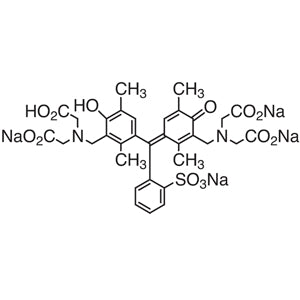
MethylxylenolBlue TCI X0052
Regular price Rp 2.306.850,00Regular price -
BromophenolRed TCI B0632
Regular price From Rp 1.087.800,00Regular price -
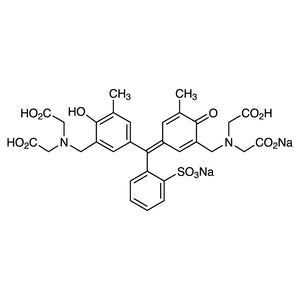
XylenolOrange TCI B0477
Regular price From Rp 875.700,00Regular price -
AlizarinYellowGG TCI A0578
Regular price Rp 1.618.050,00Regular price -
Murexide TCI M0474
Regular price From Rp 743.400,00Regular price