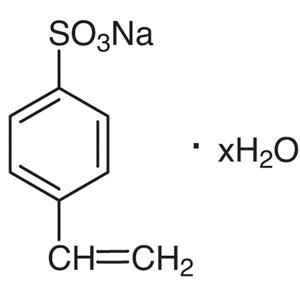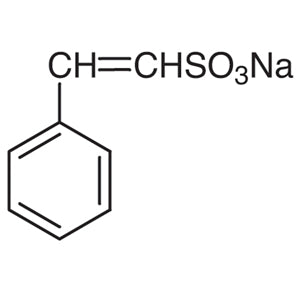
Sodium beta-Styrenesulfonate is a chemical compound widely used in laboratory settings for its versatility in organic synthesis and chemical reactions. It serves as a key building block in the development of various organic compounds, particularly in substitution and polymerization reactions. This compound is commonly found in chemical laboratories where researchers are engaged in the synthesis of new materials or the modification of existing ones. Its role is critical in the creation of functional groups and the formation of complex molecular structures. Due to its stability and reactivity, it is a reliable choice for a wide range of chemical experiments and industrial applications.
The compound’s unique properties make it a preferred choice in laboratory settings. It exhibits good solubility in both organic solvents and water, which facilitates its use in a variety of reaction conditions. Its high reactivity allows it to participate effectively in different chemical environments, including acidic or basic conditions. Additionally, sodium beta-Styrenesulfonate demonstrates thermal stability, making it suitable for experiments that require controlled temperature conditions. These characteristics contribute to its popularity among chemists and researchers who need a reliable and versatile reagent for their work.
In Indonesian laboratories, sodium beta-Styrenesulfonate is frequently used in chemical research, especially in the fields of organic synthesis and reactivity studies. It is a common reagent in academic and industrial research settings, supporting the development of new compounds and the exploration of chemical reactions. Its availability and consistent performance make it a go-to material for scientists working on complex chemical processes and innovative material development.
Related TCI products
- TCI S0258 123333-94-8 Sodium p-Styrenesulfonate Hydrate
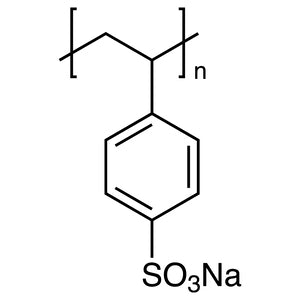
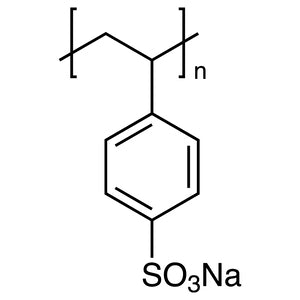
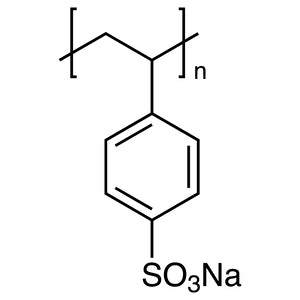
- TCI P2966 25704-18-1 Poly(sodium 4-styrenesulfonate) (viscosity 800-1600) (20wt% in Water)
- TCI P2965 25704-18-1 Poly(sodium 4-styrenesulfonate) (viscosity 200-500) (20wt% in Water)
- TCI P2964 25704-18-1 Poly(sodium 4-styrenesulfonate) (viscosity 20-50) (20wt% in Water)
- Organic synthesis reactions benefit from sodium beta-Styrenesulfonate due to its reactivity and ability to form stable intermediates in substitution processes.
- Polymerization experiments often utilize this compound because of its capacity to participate in chain reactions and modify polymer structures effectively.
- Acid-base reactions in laboratory settings are enhanced by the compound’s solubility and reactivity under varying pH conditions.
- Functional group modification in organic chemistry relies on sodium beta-Styrenesulfonate to introduce sulfonate groups into molecular frameworks.
- Research in chemical reactivity and catalytic processes frequently incorporates this compound for its predictable behavior in diverse reaction conditions.
| Brand | TCI |
|---|---|
| CAS number | 2039-44-3 |
| Molecular formula | — |
| Purity | — |
| Category | Chemistry > Building Blocks > Non-Heterocyclic Building Blocks |
| Pack sizes | Available in various quantities as per standard laboratory supply options |
| Physical form | Solid powder |
| Storage | Store in a cool, dry place away from direct sunlight and moisture |
Sodium beta-Styrenesulfonate should be stored in a cool, dry environment to maintain its stability and prevent degradation. It is recommended to use airtight containers to protect it from moisture and humidity, which can affect its chemical integrity. The compound should be kept away from direct sunlight and sources of heat to avoid any potential thermal decomposition. In laboratory settings, it is important to handle the material with appropriate personal protective equipment, such as gloves and safety goggles, to ensure safety during handling. Proper labeling of containers is essential for easy identification and safe storage practices. Regular inspection of storage conditions ensures that the compound remains in optimal condition for use in chemical experiments.
—
Produk Terkait
-
Sodiump-StyrenesulfonateHydrate TCI S0258
Regular price From Rp 557.550,00Regular price -
Poly(sodium4-styrenesulfonate)(viscosity800-1600)(20wt%inWater) TCI P2966
Regular price From Rp 689.850,00Regular price -
Poly(sodium4-styrenesulfonate)(viscosity200-500)(20wt%inWater) TCI P2965
Regular price Rp 664.650,00Regular price -
Poly(sodium4-styrenesulfonate)(viscosity20-50)(20wt%inWater) TCI P2964
Regular price From Rp 689.850,00Regular price