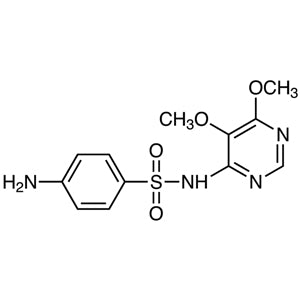
Sulfadoxin is a chemical compound widely utilized in life sciences and biochemistry. As a sulfonamide antibiotic, it plays a crucial role in inhibiting bacterial growth by blocking the synthesis of folic acid, a vital component in DNA and protein formation. This compound is essential for researchers working in microbiology, pharmacology, and drug development. Its versatility makes it a key reagent in various experimental setups, supporting both basic and applied research. Sulfadoxin is commonly used as a starting material for the synthesis of other compounds or in assays to evaluate antibacterial activity.
Sulfadoxin is valued for its chemical stability and good solubility in organic solvents such as ethylamine and water. These properties make it a preferred choice for laboratory applications where consistent performance is required. Its ability to maintain activity under specific conditions enhances its reliability in experimental procedures. Additionally, sulfadoxin is available in various packaging formats, which allows researchers to select the most suitable option based on their experimental needs. This flexibility contributes to its widespread use in both academic and industrial research settings.
In Indonesian laboratories, sulfadoxin is a popular compound used in public health, pharmaceutical, and microbiological research. Many research institutions and universities incorporate sulfadoxin into their studies to explore its potential applications in drug development and antimicrobial research. Its availability and reliability make it a go-to reagent for scientists working on diverse projects related to infectious diseases and therapeutic agents.
TCI brochures (PDF)
- Antimicrobials and Antitumor Agents for Research and Experimental Use 2025-04-24 · p. 6
- Pharmaceutical Ingredients for Research and Experimental Use 2026-03-09 · p. 7
- Microbiological research utilizes sulfadoxin to study bacterial growth inhibition and antibiotic resistance mechanisms due to its ability to interfere with folic acid synthesis.
- Pharmacological studies benefit from sulfadoxin as a model compound to evaluate the effects of sulfonamides on cellular processes and enzyme activity.
- Drug development programs use sulfadoxin as a starting material for the synthesis of new compounds with potential therapeutic applications.
- Antimicrobial testing involves sulfadoxin to assess its effectiveness against various bacterial strains in controlled laboratory conditions.
- Biochemical experiments rely on sulfadoxin to investigate its role in metabolic pathways and its interactions with other biochemical agents.
| Brand | TCI |
|---|---|
| CAS number | 2447-57-6 |
| Molecular formula | — |
| Purity | — |
| Category | Life Science > Biochemicals and Reagents > Antibiotics |
| Pack sizes | Available in various quantities to suit different research needs |
| Physical form | Solid (as per standard chemical specifications) |
| Storage | Store in a cool, dry place away from direct sunlight |
Sulfadoxin should be stored in a cool, dry location, away from direct sunlight and sources of heat. It is recommended to keep the compound in a sealed container to prevent moisture absorption and contamination. Due to its chemical stability, it does not require refrigeration under normal laboratory conditions. However, it should be handled with care to avoid exposure to incompatible substances. In a laboratory setting, proper personal protective equipment should be worn when handling sulfadoxin to ensure safety. Regular monitoring of storage conditions is advised to maintain the integrity and effectiveness of the compound.
—
Product Categories
- Biochemicals and ReagentsAntibioticsAntibiotics (Chemical Structure Class)
- Biochemicals and ReagentsAntibioticsAntibiotics (by Application)
- Biochemicals and ReagentsPharmaceutical Research Reagents (for Experimental Use)Antimicrobial Ingredients (for Research and Experimental Use)
- Biochemicals and ReagentsPharmaceutical Research Reagents (for Experimental Use)Antiparasitic Ingredients, Antiprotozoal Ingredients, Antihelminthic Ingredients (for Research and Experimental Use)
- MicrobiologyAntibioticsAntibiotics (Chemical Structure Class)
- MicrobiologyAntibioticsAntibiotics (by Application)
- Pharmaceutical Development and Drug Discovery ResearchPharmaceutical Research Reagents (for Experimental Use)Antimicrobial Ingredients (for Research and Experimental Use)
- Pharmaceutical Development and Drug Discovery ResearchPharmaceutical Research Reagents (for Experimental Use)Antiparasitic Ingredients, Antiprotozoal Ingredients, Antihelminthic Ingredients (for Research and Experimental Use)
- Pharmaceutical Development and Drug Discovery ResearchAntibioticsAntibiotics (Chemical Structure Class)
- Pharmaceutical Development and Drug Discovery ResearchAntibioticsAntibiotics (by Application)
Produk Terkait
-
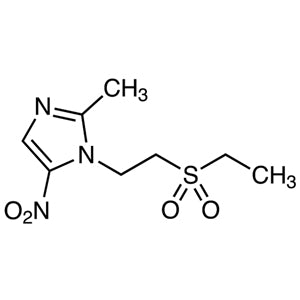
Tinidazole TCI T3058
Regular price From Rp 795.900,00Regular priceRp 572.250,00Sale price From Rp 795.900,00 -
Sulfalene TCI S0917
Regular price From Rp 1.246.350,00Regular priceRp 887.250,00Sale price From Rp 1.246.350,00 -
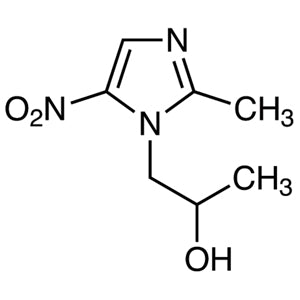
Secnidazole TCI S0911
Regular price From Rp 530.250,00Regular priceRp 386.400,00Sale price From Rp 530.250,00 -
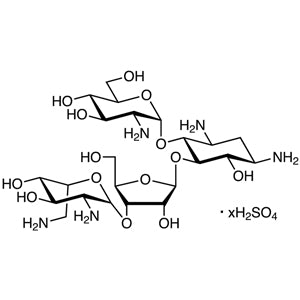
ParomomycinSulfate TCI P2092
Regular price From Rp 1.087.800,00Regular priceRp 775.950,00Sale price From Rp 1.087.800,00 -
2-(2-Methyl-5-nitro-1H-imidazol-1-yl)ethylBenzoate TCI M3460
Regular price From Rp 1.140.300,00Regular priceRp 812.700,00Sale price From Rp 1.140.300,00 -
Moxidectin TCI M3136
Regular price From Rp 3.048.150,00Regular priceRp 2.147.250,00Sale price From Rp 3.048.150,00 -
2-Methyl-5-nitroimidazole-1-ethanol TCI M0924
Regular price From Rp 2.252.250,00Regular priceRp 1.590.750,00Sale price From Rp 2.252.250,00 -
DoxycyclineHyclate TCI D4116
Regular price From Rp 2.439.150,00Regular priceRp 1.720.950,00Sale price From Rp 2.439.150,00