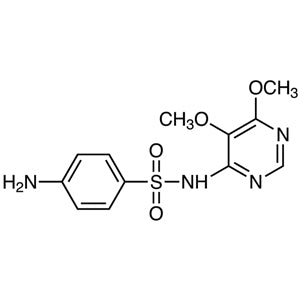
Sulfalene is a chemical compound widely used in various chemical and biochemical experiments within laboratory settings. As a key component in the field of biochemistry, it plays a crucial role in the study of microbial interactions and chemical reactions. Its unique molecular structure makes it a valuable reagent for the synthesis of other compounds and for testing biological activities. Sulfalene is particularly relevant in research involving antibiotics and antifungal agents, where its chemical properties are essential for understanding biological mechanisms and potential therapeutic applications.
Sulfalene is preferred due to its chemical stability under specific conditions and its ability to participate in a variety of chemical reactions, including substitution and oxidation. These properties make it an ideal choice for experiments requiring consistent and reliable chemical behavior. Additionally, its resistance to degradation ensures that it remains effective over time, making it suitable for long-term use in laboratory environments. The compound's stability and reactivity also contribute to its utility in both synthetic and analytical applications.
In Indonesian laboratories, sulfalene is commonly used in pharmacological and microbiological research. Its availability and versatility make it a popular choice among researchers studying antifungal compounds and their mechanisms of action. Scientists in Indonesia also utilize sulfalene for investigations into the efficacy and toxicity of antifungal agents, supporting advancements in both academic and applied research. Its role in these studies highlights its importance in the scientific community.
TCI brochures (PDF)
- Antimicrobials and Antitumor Agents for Research and Experimental Use 2025-04-24 · p. 6
- Pharmaceutical Ingredients for Research and Experimental Use 2026-03-09 · p. 7
- Antifungal Research: Sulfalene is used to study the biological activity of antifungal compounds due to its inherent antifungal properties and chemical stability.
- Microbial Activity Testing: It supports experiments that assess the effects of antifungal agents on microbial growth, aiding in the development of new therapeutic approaches.
- Chemical Synthesis: Its unique molecular structure makes it an essential reagent for the synthesis of other bioactive compounds in organic chemistry experiments.
- Toxicity Assessment: Sulfalene is employed in toxicity studies to evaluate the safety and effectiveness of antifungal agents in various biological systems.
- Mechanism of Action Studies: Researchers use sulfalene to investigate how antifungal compounds interact with microbial cells, contributing to a deeper understanding of their modes of action.
| Brand | TCI |
|---|---|
| CAS number | 152-47-6 |
| Molecular formula | — |
| Purity | — |
| Category | Life Science > Biochemicals and Reagents > Antibiotics |
| Pack sizes | Available in various quantities as per standard laboratory supply formats |
| Physical form | Solid (as per standard chemical specifications) |
| Storage | Store in a cool, dry place away from direct sunlight and moisture |
Sulfalene should be stored in a cool, dry environment to maintain its chemical stability and prevent degradation. It is recommended to keep it in airtight containers to minimize exposure to moisture and air, which can affect its integrity. Laboratory personnel should handle the compound with care, using appropriate personal protective equipment such as gloves and safety goggles to ensure safety. Due to its chemical nature, it should be stored separately from incompatible substances to avoid any potential reactions. Proper labeling of storage containers is essential for safe handling and easy identification. Regular monitoring of storage conditions ensures that the compound remains effective for its intended applications.
—
Product Categories
- Biochemicals and ReagentsAntibioticsAntibiotics (Chemical Structure Class)
- Biochemicals and ReagentsAntibioticsAntibiotics (by Application)
- Biochemicals and ReagentsPharmaceutical Research Reagents (for Experimental Use)Antimicrobial Ingredients (for Research and Experimental Use)
- Biochemicals and ReagentsPharmaceutical Research Reagents (for Experimental Use)Antiparasitic Ingredients, Antiprotozoal Ingredients, Antihelminthic Ingredients (for Research and Experimental Use)
- MicrobiologyAntibioticsAntibiotics (Chemical Structure Class)
- MicrobiologyAntibioticsAntibiotics (by Application)
- Pharmaceutical Development and Drug Discovery ResearchPharmaceutical Research Reagents (for Experimental Use)Antimicrobial Ingredients (for Research and Experimental Use)
- Pharmaceutical Development and Drug Discovery ResearchPharmaceutical Research Reagents (for Experimental Use)Antiparasitic Ingredients, Antiprotozoal Ingredients, Antihelminthic Ingredients (for Research and Experimental Use)
- Pharmaceutical Development and Drug Discovery ResearchAntibioticsAntibiotics (Chemical Structure Class)
- Pharmaceutical Development and Drug Discovery ResearchAntibioticsAntibiotics (by Application)
Produk Terkait
-
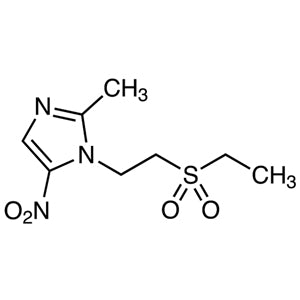
Tinidazole TCI T3058
Regular price From Rp 795.900,00Regular priceRp 572.250,00Sale price From Rp 795.900,00 -
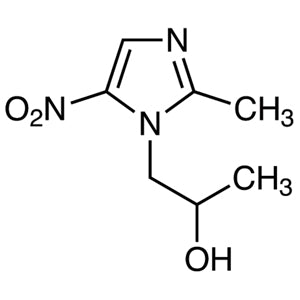
Secnidazole TCI S0911
Regular price From Rp 530.250,00Regular priceRp 386.400,00Sale price From Rp 530.250,00 -
Sulfadoxin TCI S0899
Regular price From Rp 1.087.800,00Regular priceRp 775.950,00Sale price From Rp 1.087.800,00 -
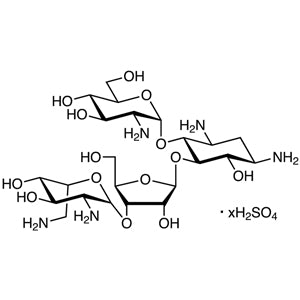
ParomomycinSulfate TCI P2092
Regular price From Rp 1.087.800,00Regular priceRp 775.950,00Sale price From Rp 1.087.800,00 -
2-(2-Methyl-5-nitro-1H-imidazol-1-yl)ethylBenzoate TCI M3460
Regular price From Rp 1.140.300,00Regular priceRp 812.700,00Sale price From Rp 1.140.300,00 -
Moxidectin TCI M3136
Regular price From Rp 3.048.150,00Regular priceRp 2.147.250,00Sale price From Rp 3.048.150,00 -
2-Methyl-5-nitroimidazole-1-ethanol TCI M0924
Regular price From Rp 2.252.250,00Regular priceRp 1.590.750,00Sale price From Rp 2.252.250,00 -
DoxycyclineHyclate TCI D4116
Regular price From Rp 2.439.150,00Regular priceRp 1.720.950,00Sale price From Rp 2.439.150,00