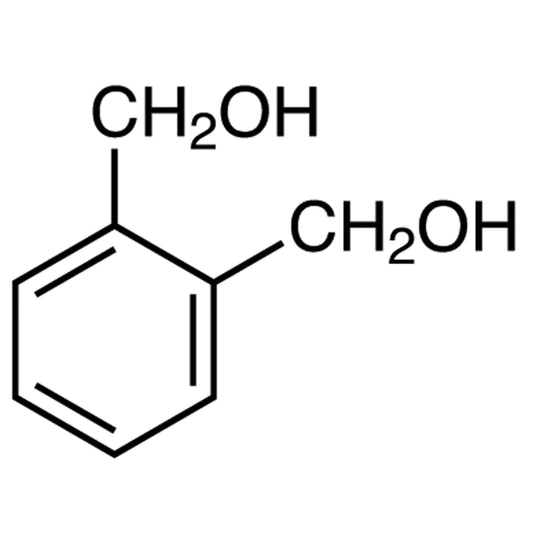
Tetrabromobisphenol A (TBC), with CAS number 79-94-7, is a chemical compound widely used in material science and chemical research. As a key monomer in the synthesis of halogenated polymers, TBC plays a vital role in the development of flame-retardant materials and heat-resistant compounds. Its unique molecular structure enables it to participate in highly specific chemical reactions, making it a valuable reagent in polymer chemistry. In laboratory settings, TBC is essential for creating and testing new polymer formulations with enhanced physical and chemical properties.
TBC is chemically stable under normal conditions but exhibits high reactivity when exposed to specific catalysts or environmental factors. This reactivity makes it ideal for polymerization processes and material modification. Its solubility in organic solvents further enhances its utility, allowing for easy integration into various experimental protocols. These properties make TBC a preferred choice for researchers working on advanced polymer synthesis and composite material development.
In Indonesian laboratories, TBC is commonly used in polymer research, insulation material testing, and construction material development. Its role in creating materials with specialized properties such as fire resistance and corrosion resistance makes it a critical component in both academic and industrial research settings. The compound's versatility and reliability contribute to its widespread use in scientific investigations.
TCI brochures (PDF)
- Polymer Additives 2026-04-16 · p. 5
- Monomers 2025-05-28 · p. 26
Related TCI products
- TCI T0851 4162-45-2 Tetrabromobisphenol A Bis(2-hydroxyethyl) Ether
- TCI T1430 37721-75-8 2,3,5,6-Tetrabromo-p-cresol
- TCI T0775 2657-67-2 meso-1,2,3,4-Tetrabromobutane
- TCI T1528 576-55-6 3,4,5,6-Tetrabromo-o-cresol
- TCI N0534 13209-16-0 4-Nitro-alpha,alpha,alpha',alpha'-tetrabromo-o-xylene
- TCI T0118 131-55-5 2,2',4,4'-Tetrahydroxybenzophenone
- Polymer synthesis and modification for flame-retardant materials due to its halogenated structure.
- Development of heat-resistant polymers for use in industrial and construction applications.
- Research on composite materials where fire resistance and mechanical strength are required.
- Testing of insulation materials for electrical and thermal performance in laboratory experiments.
- Investigation of corrosion-resistant coatings and protective layers for various substrates.
| Brand | TCI |
|---|---|
| CAS number | 79-94-7 |
| Molecular formula | — |
| Purity | — |
| Category | Materials Science > Polymer/Macromolecule Reagents > Monomers |
| Pack sizes | Available in various quantities as per standard laboratory requirements |
| Physical form | Solid |
| Storage | Store in a cool, dry place away from direct sunlight and incompatible materials |
Tetrabromobisphenol A should be stored in a cool, dry environment, away from direct sunlight and sources of heat. It is recommended to use airtight containers made of materials such as glass or high-density polyethylene to prevent contamination and maintain chemical integrity. Due to its reactivity under certain conditions, it should be kept away from strong oxidizing agents and incompatible substances. Proper labeling and storage in a designated chemical storage area are essential for safety. Always ensure that handling is done in a well-ventilated area and with appropriate personal protective equipment to minimize exposure risks.
—
Produk Terkait
-
TetrabromobisphenolABis(2-hydroxyethyl)Ether TCI T0851
Regular price Rp 557.550,00Regular priceRp 405.300,00Sale price Rp 557.550,00 -
2,3,5,6-Tetrabromo-p-cresol TCI T1430
Regular price From Rp 2.147.250,00Regular priceRp 1.501.500,00Sale price From Rp 2.147.250,00 -
meso-1,2,3,4-Tetrabromobutane TCI T0775
Regular price From Rp 1.298.850,00Regular priceRp 908.250,00Sale price From Rp 1.298.850,00 -
3,4,5,6-Tetrabromo-o-cresol TCI T1528
Regular price Rp 610.050,00Regular priceRp 426.300,00Sale price Rp 610.050,00 -
4-Nitro-alpha,alpha,alpha',alpha'-tetrabromo-o-xylene TCI N0534
Regular price Rp 3.498.600,00Regular priceRp 2.446.500,00Sale price Rp 3.498.600,00 -
2,2',4,4'-Tetrahydroxybenzophenone TCI T0118
Regular price Rp 980.700,00Regular priceRp 701.400,00Sale price Rp 980.700,00 -
2,2'-Dihydroxy-4,4'-dimethoxybenzophenone TCI D0575
Regular price Rp 848.400,00Regular priceRp 609.000,00Sale price Rp 848.400,00 -
1,2-Benzenedimethanol TCI X0057
Regular price From Rp 1.961.400,00Regular priceRp 1.371.300,00Sale price From Rp 1.961.400,00