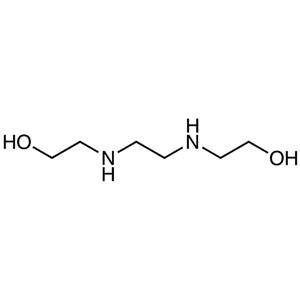
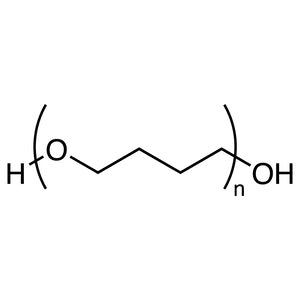
Tetrabromobisphenol A Bis(2-hydroxyethyl) Ether is a chemical compound widely used in scientific research and chemical industries. As a monomer, it serves as a fundamental building block for polymer synthesis, playing a crucial role in the development of various plastics and composite materials. This compound is particularly valued for its ability to participate in polymerization reactions, making it essential in the creation of advanced materials with specific physical and chemical properties. Its presence in laboratory settings is vital for both academic and industrial applications, supporting a wide range of chemical processes and material innovations.
The compound is preferred due to its stable molecular structure and controlled reactivity. The presence of bromine atoms and ether groups contributes to its unique chemical and physical properties, enabling it to interact effectively with other compounds during polymerization. These characteristics make it suitable for a variety of synthetic processes, ensuring consistency and reliability in experimental outcomes. Additionally, its compatibility with different reaction conditions, such as wet or dry environments, enhances its versatility in laboratory applications.
In Indonesian laboratories, this compound is extensively used in chemical and material research. It is a key component in polymer synthesis experiments, material characterization studies, and environmental research projects. Its relevance extends to academic institutions and research centers, where it supports the development of new materials and the analysis of existing ones. Its application in both academic and industrial contexts highlights its importance in the scientific community.
TCI brochures (PDF)
- Polymer Additives 2026-04-16 · p. 5
- Monomers 2025-05-28 · p. 26
Related TCI products
- TCI T0032 79-94-7 Tetrabromobisphenol A
- TCI T1430 37721-75-8 2,3,5,6-Tetrabromo-p-cresol
- TCI B3807 4439-20-7 N,N'-Bis(2-hydroxyethyl)ethylenediamine
- TCI B1158 1455-42-1 3,9-Bis(1,1-dimethyl-2-hydroxyethyl)-2,4,8,10-tetraoxaspiro[5.5]undecane
- TCI H1253 74058-21-2 4-(2-Hydroxyethyl)cyclohexanol (cis- and trans- mixture)
- TCI B1643 10038-40-1 2,2'-Bis(hydroxymethyl)diphenyl Ether
- Polymer synthesis experiments where stable monomers are required for creating advanced plastics and composites.
- Material characterization studies to analyze the physical and chemical properties of synthesized polymers.
- Environmental research projects involving the study of brominated compounds and their impact on ecosystems.
- Chemical research in academic settings for the development of new materials and synthetic processes.
- Industrial applications in manufacturing sectors requiring high-performance polymers and composite materials.
| Brand | TCI |
|---|---|
| CAS number | 4162-45-2 |
| Molecular formula | — |
| Purity | — |
| Category | Materials Science > Polymer/Macromolecule Reagents > Monomers |
| Pack sizes | Available in various quantities as per standard laboratory supply options |
| Physical form | Solid or liquid, depending on the specific product variant |
| Storage | Store in a cool, dry place away from direct sunlight and moisture |
This compound should be stored in a cool, dry environment to maintain its chemical stability and prevent degradation. It is recommended to use airtight containers to protect it from moisture and contaminants. Due to its brominated nature, it is important to handle it with care, ensuring proper ventilation in the laboratory to avoid inhalation of vapors. Avoid exposure to heat sources and direct sunlight to maintain its integrity. Always follow standard laboratory safety protocols when handling and storing chemical substances, including the use of personal protective equipment such as gloves and goggles. Proper storage ensures the longevity and effectiveness of the compound in research applications.
—
Produk Terkait
-
TetrabromobisphenolA TCI T0032
Regular price From Rp 823.200,00Regular priceRp 575.400,00Sale price From Rp 823.200,00 -
2,3,5,6-Tetrabromo-p-cresol TCI T1430
Regular price From Rp 2.147.250,00Regular priceRp 1.501.500,00Sale price From Rp 2.147.250,00 -
N,N'-Bis(2-hydroxyethyl)ethylenediamine TCI B3807
Regular price Rp 3.498.600,00Regular priceRp 2.446.500,00Sale price Rp 3.498.600,00 -
3,9-Bis(1,1-dimethyl-2-hydroxyethyl)-2,4,8,10-tetraoxaspiro[5.5]undecane TCI B1158
Regular price From Rp 1.060.500,00Regular priceRp 757.050,00Sale price From Rp 1.060.500,00 -
4-(2-Hydroxyethyl)cyclohexanol(cis-andtrans-mixture) TCI H1253
Regular price From Rp 3.048.150,00Regular priceRp 2.147.250,00Sale price From Rp 3.048.150,00 -
2,2'-Bis(hydroxymethyl)diphenylEther TCI B1643
Regular price From Rp 3.815.700,00Regular priceRp 2.683.800,00Sale price From Rp 3.815.700,00 -
Poly(tetramethyleneether)Glycol2900 TCI P3031
Regular price From Rp 717.150,00Regular priceRp 500.850,00Sale price From Rp 717.150,00 -
Poly(tetramethyleneether)Glycol2000 TCI P3028
Regular price From Rp 717.150,00Regular priceRp 500.850,00Sale price From Rp 717.150,00