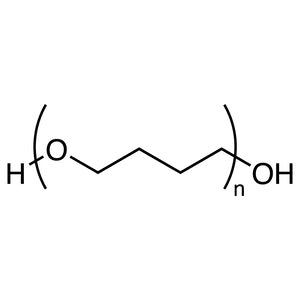
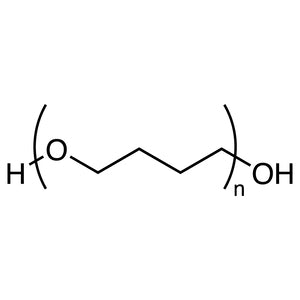
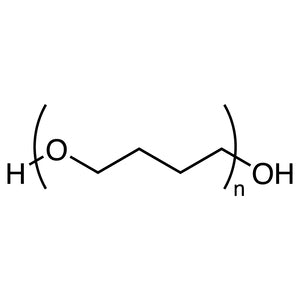
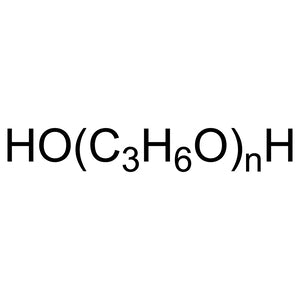
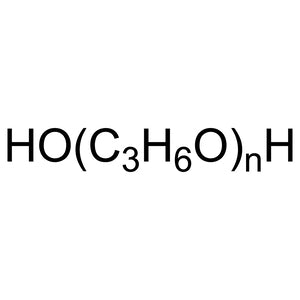
Poly(tetramethylene ether) glycol (PTMEG), with the CAS number 25190-06-1, is a key chemical compound widely used in materials science and polymer chemistry. This material serves as a fundamental building block for the synthesis of various polymers, particularly polyesters and polyurethanes. Its regular molecular structure and chemical stability make it highly suitable for chemical reactions requiring precision and consistency. In the laboratory, PTMEG is essential for studying the mechanical, thermal, and chemical properties of polymers, enabling researchers to develop advanced materials with tailored characteristics.
One of the primary reasons PTMEG is preferred in laboratory settings is its excellent solubility in organic solvents such as ethyl acrylate and dimethylformamide. This property facilitates its use in a wide range of synthetic processes and analytical techniques. Additionally, PTMEG has a relatively high molecular weight of approximately 2900, which significantly influences the physical and chemical properties of the polymers it helps produce. Its hydrophobic nature also makes it ideal for applications where water resistance is crucial, enhancing its versatility in different experimental contexts.
In Indonesian laboratories, PTMEG is extensively used in research and development of new materials, especially in polymer technology and chemical engineering. Its role in creating durable and functional materials has made it a staple in academic and industrial research, supporting innovation in both academic and applied settings.
TCI brochures (PDF)
- Monomers 2025-05-28 · p. 26
Related TCI products
- TCI P3028 25190-06-1 Poly(tetramethylene ether) Glycol 2000
- TCI P3027 25190-06-1 Poly(tetramethylene ether) Glycol 1000
- TCI P3026 25190-06-1 Poly(tetramethylene ether) Glycol 650
- TCI P3279 25322-69-4 Poly(propylene glycol) 4000
- TCI P3278 25322-69-4 Poly(propylene glycol) 3000
- TCI P3277 25322-69-4 Poly(propylene glycol) 2000
- Polymer synthesis for polyurethane and polyester production due to its regular structure and chemical stability.
- Mechanical property testing of polymers to evaluate tensile strength and elasticity in material science research.
- Thermal analysis experiments to study the behavior of polymers under varying temperature conditions.
- Chemical reaction studies requiring a stable and predictable reagent with high solubility in organic solvents.
- Development of water-resistant materials for applications in coatings and protective films due to its hydrophobic nature.
| Brand | TCI |
|---|---|
| CAS number | 25190-06-1 |
| Molecular formula | — |
| Purity | — |
| Category | Materials Science > Polymer/Macromolecule Reagents > Monomers |
| Pack sizes | 250 g, 1 kg, 5 kg |
| Physical form | Colorless liquid |
| Storage | Store in a cool, dry place away from direct sunlight and moisture. |
Poly(tetramethylene ether) glycol should be stored in a cool, dry environment, away from direct sunlight and moisture. It is recommended to use sealed containers made of polyethylene or glass to prevent contamination and evaporation. Due to its hydrophobic nature, it is important to ensure that the container is tightly closed to avoid any exposure to air or moisture. In laboratory settings, proper ventilation should be maintained when handling this material to minimize inhalation risks. Always use appropriate personal protective equipment, such as gloves and safety goggles, when working with PTMEG to ensure safe handling and reduce potential hazards.
—
Produk Terkait
-
Poly(tetramethyleneether)Glycol2000 TCI P3028
Regular price From Rp 717.150,00Regular priceRp 500.850,00Sale price From Rp 717.150,00 -
Poly(tetramethyleneether)Glycol1000 TCI P3027
Regular price From Rp 717.150,00Regular priceRp 500.850,00Sale price From Rp 717.150,00 -
Poly(tetramethyleneether)Glycol650 TCI P3026
Regular price From Rp 769.650,00Regular priceRp 553.350,00Sale price From Rp 769.650,00 -
Poly(propyleneglycol)4000 TCI P3279
Regular price From Rp 557.550,00Regular priceRp 405.300,00Sale price From Rp 557.550,00 -
Poly(propyleneglycol)3000 TCI P3278
Regular price From Rp 557.550,00Regular priceRp 405.300,00Sale price From Rp 557.550,00 -
Poly(propyleneglycol)2000 TCI P3277
Regular price From Rp 557.550,00Regular priceRp 405.300,00Sale price From Rp 557.550,00 -
Poly(propyleneglycol)1000 TCI P3276
Regular price From Rp 557.550,00Regular priceRp 405.300,00Sale price From Rp 557.550,00 -
Poly(propyleneglycol)600 TCI P3275
Regular price From Rp 557.550,00Regular priceRp 405.300,00Sale price From Rp 557.550,00