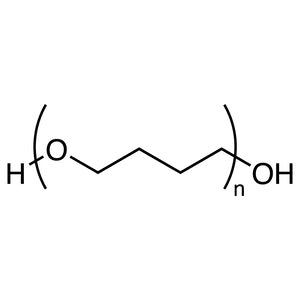
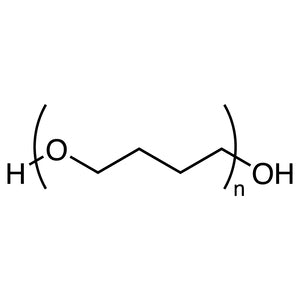
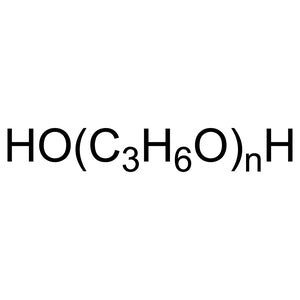
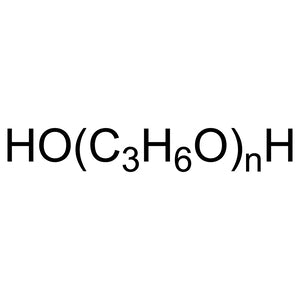
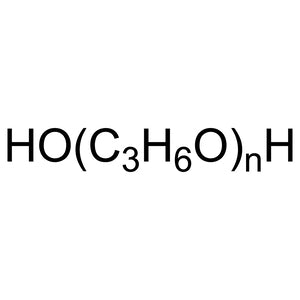
Poly(tetramethylene ether) Glycol (PTMEG), with the CAS number 25190-06-1, is a key chemical compound widely used in materials science and polymer chemistry research. As a monomer, PTMEG plays a crucial role in the synthesis of polymers such as polyurethanes, which are essential in various industrial and scientific applications. Its unique molecular structure allows for the creation of polymers with tailored mechanical and thermal properties, making it a versatile material in the laboratory. PTMEG is particularly valuable for its ability to be modified into different types of polymers, enabling researchers to explore a wide range of material behaviors and applications.
PTMEG is preferred due to its chemical stability and good reactivity, which make it suitable for a variety of chemical reactions. Its resistance to environmental factors ensures that it remains effective under diverse conditions, enhancing its reliability in laboratory settings. The flexibility of its molecular structure allows for the development of materials with specific properties, such as enhanced thermal insulation or mechanical strength. These characteristics make PTMEG an essential component in the production of composite materials, synthetic rubbers, and thermal protective materials.
In Indonesian laboratories, PTMEG is commonly used in materials science and chemical research. It is frequently found in labs focused on composite material development, polymer synthesis, and thermal protection. Its versatility and reliability make it a preferred choice for researchers aiming to innovate and develop new materials with specific functional properties.
TCI brochures (PDF)
- Monomers 2025-05-28 · p. 26
Related TCI products
- TCI P3031 25190-06-1 Poly(tetramethylene ether) Glycol 2900
- TCI P3028 25190-06-1 Poly(tetramethylene ether) Glycol 2000
- TCI P3026 25190-06-1 Poly(tetramethylene ether) Glycol 650
- TCI P3279 25322-69-4 Poly(propylene glycol) 4000
- TCI P3278 25322-69-4 Poly(propylene glycol) 3000
- TCI P3277 25322-69-4 Poly(propylene glycol) 2000
- Polyurethane Synthesis: PTMEG is a key monomer in the production of polyurethanes, which are used in foam, coatings, and elastomers due to their flexibility and durability.
- Composite Material Development: Its ability to modify polymer structures makes it ideal for creating composite materials with enhanced mechanical and thermal properties.
- Thermal Protective Materials: The thermal stability of PTMEG makes it suitable for the development of materials used in high-temperature environments.
- Synthetic Rubber Production: PTMEG contributes to the creation of synthetic rubbers with improved elasticity and resilience.
- Polymer Research and Innovation: Its versatile molecular structure supports extensive research into new polymer formulations and material properties.
| Brand | TCI |
|---|---|
| CAS number | 25190-06-1 |
| Molecular formula | — |
| Purity | — |
| Category | Materials Science > Polymer/Macromolecule Reagents > Monomers |
| Pack sizes | 1000 g |
| Physical form | Liquid |
| Storage | Store in a cool, dry place away from direct sunlight. |
PTMEG should be stored in a cool, dry environment, away from direct sunlight and sources of heat. It is recommended to use sealed containers to prevent contamination and maintain its chemical integrity. Due to its reactive nature, it should be handled with appropriate personal protective equipment, such as gloves and safety goggles. Proper ventilation is essential when working with PTMEG to avoid inhalation of vapors. It should not be stored near incompatible materials such as strong oxidizers. Regular inspection of storage containers is advised to ensure they remain intact and secure. These precautions help maintain the quality and safety of PTMEG in laboratory settings.
—
Produk Terkait
-
Poly(tetramethyleneether)Glycol2900 TCI P3031
Regular price From Rp 717.150,00Regular priceRp 500.850,00Sale price From Rp 717.150,00 -
Poly(tetramethyleneether)Glycol2000 TCI P3028
Regular price From Rp 717.150,00Regular priceRp 500.850,00Sale price From Rp 717.150,00 -
Poly(tetramethyleneether)Glycol650 TCI P3026
Regular price From Rp 769.650,00Regular priceRp 553.350,00Sale price From Rp 769.650,00 -
Poly(propyleneglycol)4000 TCI P3279
Regular price From Rp 557.550,00Regular priceRp 405.300,00Sale price From Rp 557.550,00 -
Poly(propyleneglycol)3000 TCI P3278
Regular price From Rp 557.550,00Regular priceRp 405.300,00Sale price From Rp 557.550,00 -
Poly(propyleneglycol)2000 TCI P3277
Regular price From Rp 557.550,00Regular priceRp 405.300,00Sale price From Rp 557.550,00 -
Poly(propyleneglycol)1000 TCI P3276
Regular price From Rp 557.550,00Regular priceRp 405.300,00Sale price From Rp 557.550,00 -
Poly(propyleneglycol)600 TCI P3275
Regular price From Rp 557.550,00Regular priceRp 405.300,00Sale price From Rp 557.550,00