N,N,N',N'-Tetramethylethylenediamine (TMEDA) from TCI is a tertiary diamine with two methylated nitrogen atoms joined by an ethylene bridge. It is used in two quite different kinds of laboratory. In molecular biology labs, TMEDA (often written TEMED) catalyses acrylamide polymerization when preparing electrophoresis gels. In organic chemistry labs, it is a classic chelating ligand for organolithium compounds and many metal ions. This makes it a standard item on the reagent shelf in both fields.
TMEDA works because of the two lone electron pairs on its nitrogen atoms. They are positioned to form a five-membered chelate with a metal cation. With organolithium reagents such as n-butyllithium, this coordination breaks up aggregates, which increases both the reactivity and the selectivity of lithiation. In polyacrylamide gel preparation, TMEDA speeds up the formation of free radicals from ammonium persulfate, so the gel polymerizes within a controlled time. Because it is a liquid that mixes readily with many solvents, it is easy to measure out by pipette for small, repeated additions.
In Indonesia, TMEDA is widely used by biotechnology, biochemistry, medical, agricultural, and pharmaceutical laboratories that run SDS-PAGE regularly. University research groups, hospital and diagnostic laboratories, and agricultural research institutes use it whenever they cast protein or nucleic acid gels. Synthetic chemistry groups at universities and in pharmaceutical development also use it as a ligand in organometallic work. A dependable branded source like TCI gives these laboratories consistent quality from batch to batch.
TCI brochures (PDF)
- Sodium Dispersion Handleable Safely in Organic Synthesis 2025-01-09 · p. 1
- Wizard Monomer® for Supramolecular Polymer Gels 2025-03-03 · p. 2
- Titanium Reagents Julia-Kocienski Olefination Reagents Peterson Reaction Reagents Z-Selective Horner-Wadsworth-Emmons Reagents 2025-03-28 · p. 4
- Ligands 2025-12-01 · p. 9
Related TCI products
- TCI D0720 110-70-3 N,N'-Dimethylethylenediamine
- TCI T2515 110-18-9 N,N,N',N'-Tetramethylethylenediamine [for Electrophoresis]
- TCI D2638 4062-60-6 N,N'-Di-tert-butylethylenediamine
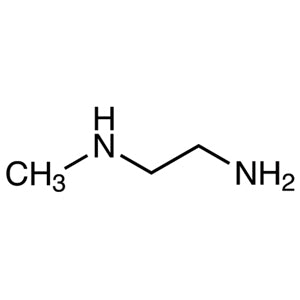
- TCI M0518 109-81-9 N-Methylethylenediamine
- TCI E0294 110-72-5 N-Ethylethylenediamine
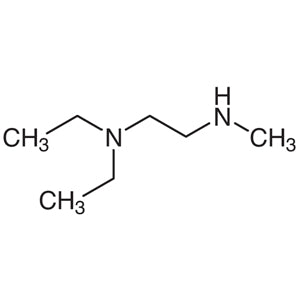
- TCI D1297 104-79-0 N,N-Diethyl-N'-methylethylenediamine
- SDS-PAGE gel casting: TMEDA speeds up free-radical generation from ammonium persulfate, so polyacrylamide gels polymerize within a predictable, controlled time for protein separation.
- Native and nucleic acid polyacrylamide gels: the same catalytic role lets laboratories cast consistent gels for DNA, RNA, and non-denatured protein analysis in routine molecular biology workflows.
- Organolithium chemistry: TMEDA chelates lithium and breaks up reagent aggregates such as n-butyllithium, which increases reactivity and improves selectivity in lithiation reactions.
- Metal ion coordination: its two nitrogen lone pairs form a stable five-membered chelate with many metal cations, so it is useful as a ligand in coordination and organometallic research.
- Teaching and research laboratories: as a liquid that mixes easily with many solvents, it is practical to pipette in small amounts for student practicals and repeated experimental runs.
From the TCI brochure
- Reagent in the NaTMP synthesis scheme
| Brand | TCI (product code T0147) |
|---|---|
| CAS number | 110-18-9 |
| Molecular formula | — |
| Purity | — |
| Category | Chemistry > Building Blocks > Non-Heterocyclic Building Blocks |
| Pack sizes | available pack sizes are shown on the product page |
| Physical form | liquid, miscible with many common solvents |
| Storage | keep tightly closed according to the manufacturer's label and safety data sheet |
Store TMEDA in its original, tightly closed container in a cool, dry, well-ventilated chemical storage area. Keep it away from heat, sparks, open flames, and strong oxidizing agents. Keep the container sealed between uses to limit exposure to air and moisture. Work with the liquid in a fume hood whenever possible, and wear chemical-resistant gloves, safety glasses, and a laboratory coat. Use clean, dry pipettes for dispensing, and never return unused material to the stock bottle. Always read the manufacturer's safety data sheet before use, and dispose of waste according to institutional and local regulations.
References cited in the TCI brochure
- Sobi Asako. Lithium‐Free Synthesis of Sodium 2,2,6,6‐Tetramethylpiperidide and Its Synthetic Applications Advanced Synthesis & Catalysis, 2019. doi:10.1002/adsc.201900215
Produk Terkait
-
N,N'-Dimethylethylenediamine TCI D0720
Regular price From Rp 1.246.350,00Regular priceRp 871.500,00Sale price From Rp 1.246.350,00 -
N,N,N',N'-Tetramethylethylenediamine[forElectrophoresis] TCI T2515
Regular price From Rp 477.750,00Regular priceRp 333.900,00Sale price From Rp 477.750,00 -
N,N'-Di-tert-butylethylenediamine TCI D2638
Regular price From Rp 1.353.450,00Regular priceRp 946.050,00Sale price From Rp 1.353.450,00 -
N-Methylethylenediamine TCI M0518
Regular price From Rp 1.908.900,00Regular priceRp 1.334.550,00Sale price From Rp 1.908.900,00 -
N-Ethylethylenediamine TCI E0294
Regular price From Rp 743.400,00Regular priceRp 519.750,00Sale price From Rp 743.400,00 -
N,N-Diethyl-N'-methylethylenediamine TCI D1297
Regular price From Rp 1.378.650,00Regular priceRp 963.900,00Sale price From Rp 1.378.650,00 -
N-Benzyl-N,N'-dimethylethylenediamine TCI B3246
Regular price From Rp 3.285.450,00Regular priceRp 2.313.150,00Sale price From Rp 3.285.450,00 -
N,N,N'-Trimethylethylenediamine TCI T0742
Regular price From Rp 1.220.100,00Regular priceRp 852.600,00Sale price From Rp 1.220.100,00