6-Thioguanine is a chemical compound classified under nucleosides and serves as a crucial reagent in various biochemical experiments. It is widely used in laboratories for its unique chemical properties and versatility in experimental setups. This compound plays a vital role in studying nucleotide metabolism, drug development, and genetic mechanisms. Its presence in research helps scientists understand enzymatic reactions and the synthesis of complex molecules. As a key component in biochemical pathways, 6-Thioguanine is essential for researchers aiming to achieve precise and reproducible results.
The stability and controlled reactivity of 6-Thioguanine make it a preferred choice for high-quality research applications. Its chemical structure is similar to guanine, but with sulfur replacing oxygen at the sixth position, which enhances its reactivity and specificity. This structural difference allows it to interact uniquely with certain enzymes, making it valuable for targeted biochemical studies. Its high purity and resistance to degradation ensure consistent performance in experiments, which is critical for reliable scientific outcomes.
In Indonesian laboratories, 6-Thioguanine is commonly used in biochemistry and molecular biology research. It is a key reagent in enzymatic assays and nucleotide synthesis experiments. Its application is also seen in pharmaceutical research, where it contributes to the development of new therapeutic agents. Due to its stability and reliability, it is a trusted material for researchers seeking precision and consistency in their work.
Advantages (TCI brochure)
- Converted in cells to the active nucleotide metabolite, leading to inhibition of DNA/RNA synthesis
TCI brochures (PDF)
- Immunosuppressants and Immunostimulants for Research and Experimental Use 2024-09-26 · p. 2
- Immune System, Inflammation, Allergy Research Reagents 2025-05-26 · p. 2
- Immunology Research Reagents 2026-06-03 · p. 7
- Nucleosides, Nucleotides, Nucleic Acids and Related Reagents 2026-03-23 · p. 9
- Antimicrobials and Antitumor Agents for Research and Experimental Use 2025-04-24 · p. 15
- Pharmaceutical Ingredients for Research and Experimental Use 2026-03-09 · p. 15
Related TCI products
- Nucleotide Metabolism Studies - 6-Thioguanine is used to investigate the metabolic pathways of nucleotides, aiding in understanding cellular processes.
- Enzymatic Reaction Substrates - Its role as a substrate in enzymatic reactions helps researchers study enzyme activity and specificity.
- Drug Development Research - It is employed in the synthesis of compounds used in pharmaceutical research, contributing to the development of new drugs.
- Genetic Mechanism Investigations - Its unique chemical structure allows it to be used in studying genetic mechanisms and DNA interactions.
- Oligonucleotide Synthesis - It serves as a building block in the synthesis of complex oligonucleotides for molecular biology applications.
| Brand | TCI |
|---|---|
| CAS number | 154-42-7 |
| Molecular formula | — |
| Purity | — |
| Category | Life Science > Biochemicals and Reagents > Nucleosides, Nucleotides, Oligonucleotides |
| Pack sizes | Available in various quantities as per standard laboratory requirements |
| Physical form | Solid powder |
| Storage | Store in a cool, dry place away from light and moisture |
6-Thioguanine should be stored in a cool, dry place, away from light and moisture to maintain its chemical integrity. It is recommended to use airtight containers to prevent exposure to humidity and contaminants. Due to its chemical stability, it does not require refrigeration but should be kept in a controlled environment to avoid degradation. Laboratory personnel should handle it with care, using appropriate personal protective equipment to ensure safety. Proper labeling and storage practices are essential to maintain the quality and usability of the compound over time.
—
Product Categories
- Biochemicals and ReagentsNucleosides, Nucleotides, OligonucleotidesNucleobases and their Analogs
- Biochemicals and ReagentsPharmaceutical Research Reagents (for Experimental Use)Antitumor Research Reagents (for Experimental Use)
- Biochemicals and ReagentsPharmaceutical Research Reagents (for Experimental Use)Immunosuppressant Ingredients (for Research and Experimental Use)
- Cell BiologyCancer ResearchAntitumor Agents for Research
- Pharmaceutical Development and Drug Discovery ResearchPharmaceutical Research Reagents (for Experimental Use)Antitumor Research Reagents (for Experimental Use)
- Pharmaceutical Development and Drug Discovery ResearchPharmaceutical Research Reagents (for Experimental Use)Immunosuppressant Ingredients (for Research and Experimental Use)
Produk Terkait
-
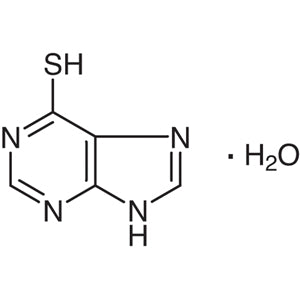
6-MercaptopurineMonohydrate TCI M0063
Regular price From Rp 477.750,00Regular price -
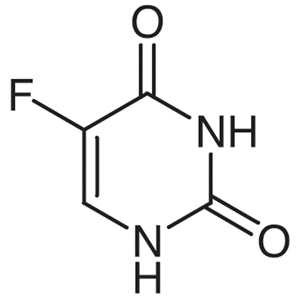
5-Fluorouracil TCI F0151
Regular price From Rp 903.000,00Regular price -
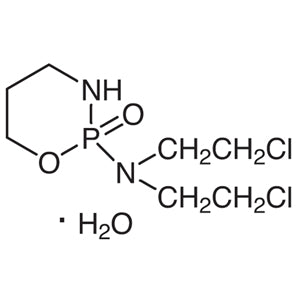
CyclophosphamideMonohydrate TCI C2236
Regular price From Rp 1.193.850,00Regular price -
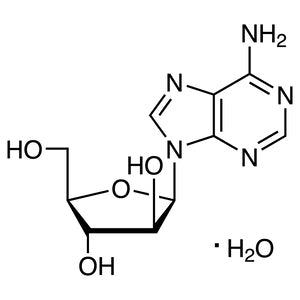
VidarabineMonohydrate TCI V0098
Regular price From Rp 3.658.200,00Regular price -
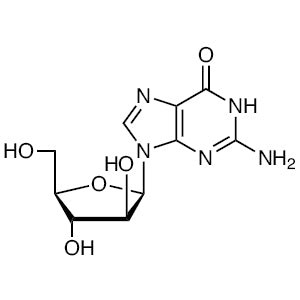
9-beta-D-Arabinofuranosylguanine TCI A2739
Regular price From Rp 477.750,00Regular price -
5-Aminoimidazole-4-carboxamide1-beta-D-Ribofuranoside TCI A2528
Regular price Rp 2.545.200,00Regular price -
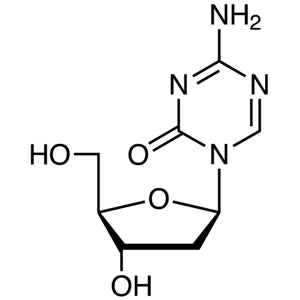
5-Aza-2'-deoxycytidine TCI A2232
Regular price From Rp 3.367.350,00Regular price -
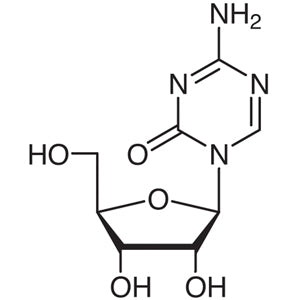
5-Azacytidine TCI A2033
Regular price From Rp 1.115.100,00Regular price