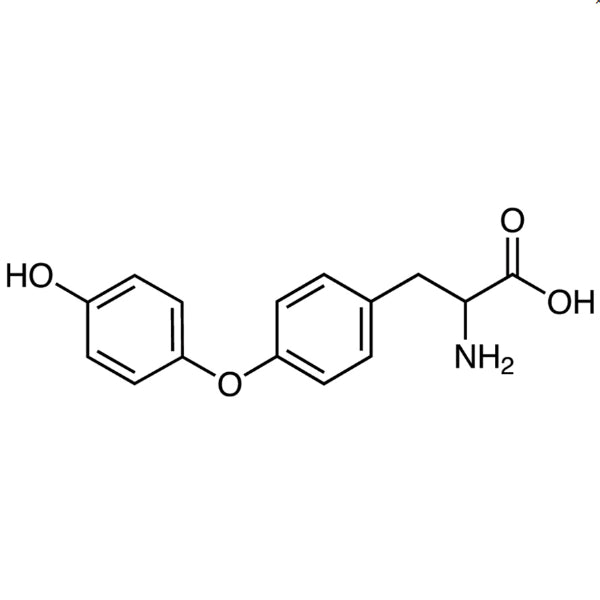
DL-Thyronine is a chemical compound widely used in scientific experiments, particularly in the fields of biochemistry and life sciences. It is a racemic form of thyronine, an essential amino acid that plays a crucial role in thyroid metabolism. In laboratory settings, DL-Thyronine serves as a key reagent for various biochemical processes, including enzymatic reactions and the synthesis of other compounds. Its chemical stability and consistent performance make it a reliable choice for researchers aiming to achieve accurate and reproducible results.
DL-Thyronine is chemically neutral and resistant to degradation, ensuring its effectiveness over extended periods. These properties allow for long-term storage without significant loss of activity, making it ideal for research applications that require consistent performance. Its solid form and solubility in organic solvents enhance its usability across a wide range of experimental conditions. This versatility, combined with its clear chemical structure, contributes to its popularity among researchers in Indonesia.
In Indonesian laboratories, DL-Thyronine is commonly used in studies related to metabolism and physiology. It is frequently found in biochemical experiments, pharmacological research, and other scientific investigations that require a stable and reliable reagent. Its availability and well-documented properties make it a preferred choice for both academic and industrial research settings in the region.
TCI brochures (PDF)
- Amino Acids and Peptide Synthesis Reagents 2025-08-14 · p. 6
- Biochemical Research: DL-Thyronine is ideal for enzymatic reactions due to its stability and solubility, making it suitable for enzyme kinetics and metabolic pathway studies.
- Thyroid Hormone Studies: Its role in thyroid metabolism makes it a valuable tool for investigating hormonal regulation and endocrine functions in biological systems.
- Pharmaceutical Development: It is used in the synthesis of thyroid-related compounds and as a substrate in drug development processes requiring precise chemical control.
- Metabolic Pathway Analysis: DL-Thyronine supports the study of amino acid metabolism and its impact on cellular processes, aiding in understanding metabolic disorders.
- Educational Research: Its consistent properties and availability make it a preferred reagent for teaching and training in biochemistry and life sciences.
| Brand | TCI |
|---|---|
| CAS number | 1034-10-2 |
| Molecular formula | — |
| Purity | — |
| Category | Life Science > Biochemicals and Reagents > Amino Acids |
| Pack sizes | Available in various quantities as per standard laboratory requirements |
| Physical form | Solid |
| Storage | Store in a cool, dry place away from direct sunlight |
DL-Thyronine should be stored in a cool, dry environment to maintain its chemical stability and prevent degradation. It is recommended to keep it in a tightly sealed container to avoid moisture absorption, which could affect its purity and performance. Due to its solid form, it is best stored in airtight containers made of glass or high-density polyethylene to ensure long-term preservation. In laboratory settings, it should be handled with standard chemical safety precautions, including the use of gloves and appropriate ventilation. Avoid exposure to extreme temperatures or direct sunlight to preserve its chemical integrity and ensure consistent results in experiments.
—
Produk Terkait
-
3,3',5-Triiodo-L-thyronine TCI T0453
Regular price Rp 2.544.150,00Regular priceRp 1.794.450,00Sale price Rp 2.544.150,00 -
3,5-Diiodo-L-thyronine TCI D1119
Regular price From Rp 1.140.300,00Regular priceRp 812.700,00Sale price From Rp 1.140.300,00 -
L-ThyroxineSodiumSaltPentahydrate TCI T0245
Regular price Rp 1.087.800,00Regular priceRp 775.950,00Sale price Rp 1.087.800,00 -
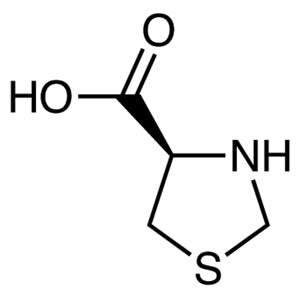
L-Thioproline TCI T0219
Regular price From Rp 1.643.250,00Regular priceRp 1.164.450,00Sale price From Rp 1.643.250,00 -
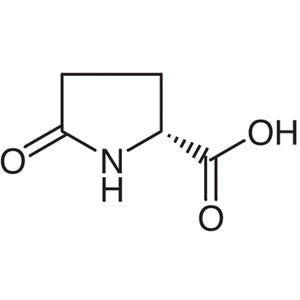
D-PyroglutamicAcid TCI P1354
Regular price From Rp 980.700,00Regular priceRp 701.400,00Sale price From Rp 980.700,00 -
L-O-Phosphoserine TCI P0773
Regular price From Rp 2.121.000,00Regular priceRp 1.498.350,00Sale price From Rp 2.121.000,00 -
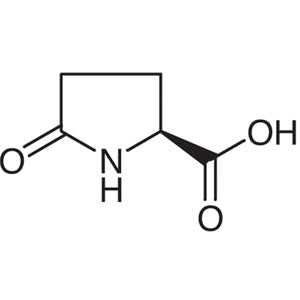
L-PyroglutamicAcid TCI P0573
Regular price From Rp 689.850,00Regular priceRp 497.700,00Sale price From Rp 689.850,00 -
5-Methyl-L-tryptophan TCI M3682
Regular price Rp 8.613.150,00Regular priceRp 6.038.550,00Sale price Rp 8.613.150,00