L-Thyroxine Sodium Salt Pentahydrate is a chemical compound widely used in biochemical and laboratory experiments. As a sodium salt of L-Thyroxine, it serves as a key reagent in studies related to thyroid hormone function and metabolic regulation. This compound is essential for researchers investigating endocrinology, hormone effects on cellular processes, and metabolic pathways. Its presence in laboratory settings supports the development of analytical methods for detecting and quantifying thyroid hormones in biological samples.
The compound is chemically stable and highly soluble in water, making it ideal for use in various chemical reactions and experimental procedures. Its pentahydrate form ensures stability against moisture, extending shelf life and minimizing degradation. These properties make it a preferred choice for bioanalytical applications requiring consistent performance and reliability. Additionally, its molecular structure allows for precise quantification and qualitative analysis, supporting accurate research outcomes.
In Indonesian laboratories, L-Thyroxine Sodium Salt Pentahydrate is commonly used in health-related research, particularly in studies involving thyroid hormone effects on human metabolism. It plays a vital role in the development of analytical techniques for hormone detection in biological samples, contributing to advancements in endocrinology and metabolic research. Its availability and reliability make it a standard component in many biochemical and analytical workflows.
TCI brochures (PDF)
- Fluorescent Probes for the Characterization of Two Specific Drug Binding Sites on HSA 2025-04-01 · p. 4
- Amino Acids and Peptide Synthesis Reagents 2025-08-14 · p. 6
Related TCI products
- TCI B4523 1537876-31-5 Bis(3-bromophenylboronic Acid) scyllo-Inositol Complex Dipotassium Pentahydrate
- TCI S0965 22451-06-5 Sodium Tellurite Pentahydrate
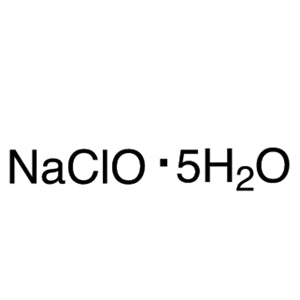
- TCI S0939 10022-70-5 Sodium Hypochlorite Pentahydrate
- TCI S0584 22189-32-8 Spectinomycin Dihydrochloride Pentahydrate
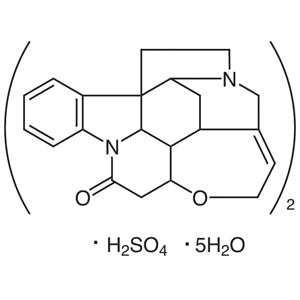
- TCI S0094 60491-10-3 Strychnine Sulfate Pentahydrate
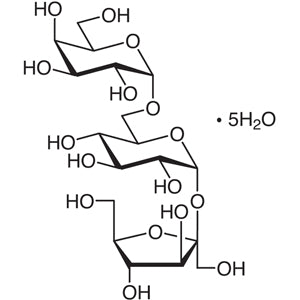
- TCI R0002 17629-30-0 D-(+)-Raffinose Pentahydrate
- Endocrinology Research: This compound is used to study thyroid hormone effects on metabolic processes and cellular function, providing essential tools for hormone-related investigations.
- Metabolic Studies: It supports research on how thyroid hormones influence energy metabolism and metabolic regulation in biological systems.
- Bioanalytical Method Development: The compound is crucial for creating and validating analytical methods to detect and quantify thyroid hormones in biological samples.
- Hormone Effects on Tissues: It is used in experiments examining the impact of thyroid hormones on different cell types and tissue responses.
- Clinical Research: It aids in studies related to thyroid disorders and their effects on human health, supporting diagnostic and therapeutic research.
| Brand | TCI |
|---|---|
| CAS number | 6106-07-6 |
| Molecular formula | — |
| Purity | — |
| Category | Life Science > Biochemicals and Reagents > Amino Acids |
| Pack sizes | Available in standard laboratory quantities |
| Physical form | Crystalline solid |
| Storage | Store in a cool, dry place away from moisture and light |
L-Thyroxine Sodium Salt Pentahydrate should be stored in a cool, dry place to maintain its stability and prevent degradation. It is recommended to keep it in airtight containers to protect against moisture and humidity. Due to its hygroscopic nature, it is important to ensure that the storage environment is controlled to avoid absorption of atmospheric moisture. The compound should be handled with care to prevent contamination, and it is advisable to use appropriate personal protective equipment when handling. Regular monitoring of storage conditions ensures the compound remains suitable for use in laboratory applications. Proper storage practices help maintain its chemical integrity and ensure reliable results in experimental procedures.
References cited in the TCI brochure
- Jamie Ghuman. Structural Basis of the Drug-binding Specificity of Human Serum Albumin Journal of Molecular Biology, 2005. doi:10.1016/j.jmb.2005.07.075
- Masaki OTAGIRI. Study on Binding of Drug to Serum Protein YAKUGAKU ZASSHI, 2009. doi:10.1248/yakushi.129.413
Produk Terkait
-
Bis(3-bromophenylboronicAcid)scyllo-InositolComplexDipotassiumPentahydrate TCI B4523
Regular price From Rp 769.650,00Regular priceRp 553.350,00Sale price From Rp 769.650,00 -
SodiumTelluritePentahydrate TCI S0965
Regular price Rp 1.167.600,00Regular priceRp 815.850,00Sale price Rp 1.167.600,00 -
SodiumHypochloritePentahydrate TCI S0939
Regular price From Rp 530.250,00Regular priceRp 370.650,00Sale price From Rp 530.250,00 -
SpectinomycinDihydrochloridePentahydrate TCI S0584
Regular price Rp 2.041.200,00Regular priceRp 1.442.700,00Sale price Rp 2.041.200,00 -
StrychnineSulfatePentahydrate TCI S0094
Regular price Rp 4.213.650,00Regular priceRp 2.962.050,00Sale price Rp 4.213.650,00 -
D-(+)-RaffinosePentahydrate TCI R0002
Regular price Rp 848.400,00Regular priceRp 609.000,00Sale price Rp 848.400,00 -
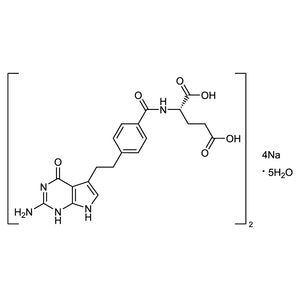
PemetrexedDisodiumHemipentahydrate TCI P3263
Regular price From Rp 1.272.600,00Regular priceRp 905.100,00Sale price From Rp 1.272.600,00 -
SodiumThiosulfatePentahydrate TCI O0522
Regular price Rp 477.750,00Regular priceRp 333.900,00Sale price Rp 477.750,00