Sodium Thiosulfate Pentahydrate (Na₂S₂O₃·5H₂O) is a chemical compound widely used in laboratory settings for its versatile applications in analytical and synthetic chemistry. As a metallic salt, it plays a crucial role in catalytic processes and redox reactions, particularly in the reduction of heavy metal ions such as lead and silver. Its chemical structure allows it to react with various substances, making it an essential reagent in qualitative and quantitative analysis. This compound is commonly found in chemical laboratories, especially in those conducting research related to environmental and industrial chemistry.
One of the key properties that make Sodium Thiosulfate Pentahydrate a preferred choice is its solubility in water and stable crystalline structure. These characteristics ensure consistent performance in chemical reactions and ease of handling. Additionally, its ability to form stable complexes with heavy metal ions enhances its utility in precipitation and titration processes. The compound's chemical reactivity and stability under normal conditions further contribute to its reliability in laboratory environments.
In Indonesian laboratories, Sodium Thiosulfate Pentahydrate is frequently used in research and testing related to redox reactions, water analysis, and metal ion detection. It is a staple in educational institutions and research facilities, supporting both basic and advanced chemical experiments. Its availability and effectiveness make it a standard component in many laboratory workflows, ensuring accurate and reproducible results.
TCI brochures (PDF)
- Metallic Salts 2025-11-06 · p. 7
Related TCI products
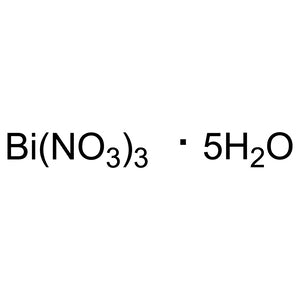
- TCI B7064 10035-06-0 Bismuth(III) Nitrate Pentahydrate
- TCI T0245 6106-07-6 L-Thyroxine Sodium Salt Pentahydrate
- TCI S0965 22451-06-5 Sodium Tellurite Pentahydrate
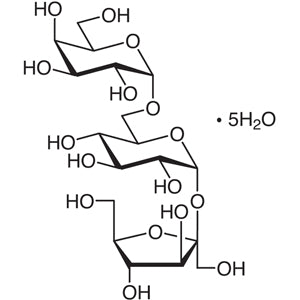
- TCI R0002 17629-30-0 D-(+)-Raffinose Pentahydrate
- TCI B4523 1537876-31-5 Bis(3-bromophenylboronic Acid) scyllo-Inositol Complex Dipotassium Pentahydrate
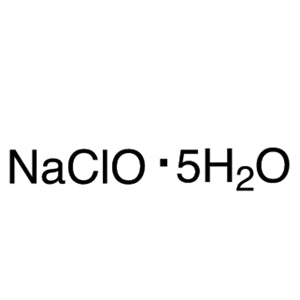
- TCI S0939 10022-70-5 Sodium Hypochlorite Pentahydrate
- Redox Reactions: Sodium Thiosulfate Pentahydrate is ideal for redox processes due to its ability to reduce heavy metal ions, making it valuable in electrochemical studies.
- Water Analysis: It is commonly used in titration methods to determine the presence of dissolved metals in water samples, offering precise and reliable results.
- Precipitation Reactions: Its capacity to form stable complexes with metal ions aids in qualitative analysis, helping identify unknown compounds through precipitation.
- Metal Ion Detection: The compound reacts selectively with specific metal ions, enabling accurate identification in analytical chemistry experiments.
- Environmental Testing: It is used in assessing the impact of heavy metals in soil and water, supporting environmental monitoring and remediation studies.
| Brand | TCI |
|---|---|
| CAS number | 10102-17-7 |
| Molecular formula | — |
| Purity | — |
| Category | Chemistry > Catalysis and Inorganic Chemistry > Metallic Salts |
| Pack sizes | Available in various quantities suitable for different laboratory needs |
| Physical form | Crystalline solid |
| Storage | Store in a cool, dry place away from moisture and direct sunlight |
Sodium Thiosulfate Pentahydrate should be stored in a cool, dry place to maintain its chemical stability and prevent degradation. It is recommended to use airtight containers to protect it from moisture and humidity, which can affect its solubility and reactivity. While it is generally safe to handle, care should be taken to avoid direct contact with skin and eyes, as it may cause irritation. In laboratory settings, it should be stored separately from strong oxidizing agents to prevent unwanted reactions. Proper labeling and storage conditions ensure the compound remains effective and safe for use in various analytical and synthetic applications.
—
Produk Terkait
-
Bismuth(III)NitratePentahydrate TCI B7064
Regular price From Rp 505.050,00Regular priceRp 352.800,00Sale price From Rp 505.050,00 -
L-ThyroxineSodiumSaltPentahydrate TCI T0245
Regular price Rp 1.087.800,00Regular priceRp 775.950,00Sale price Rp 1.087.800,00 -
SodiumTelluritePentahydrate TCI S0965
Regular price Rp 1.167.600,00Regular priceRp 815.850,00Sale price Rp 1.167.600,00 -
D-(+)-RaffinosePentahydrate TCI R0002
Regular price Rp 848.400,00Regular priceRp 609.000,00Sale price Rp 848.400,00 -
Bis(3-bromophenylboronicAcid)scyllo-InositolComplexDipotassiumPentahydrate TCI B4523
Regular price From Rp 769.650,00Regular priceRp 553.350,00Sale price From Rp 769.650,00 -
SodiumHypochloritePentahydrate TCI S0939
Regular price From Rp 530.250,00Regular priceRp 370.650,00Sale price From Rp 530.250,00 -
SpectinomycinDihydrochloridePentahydrate TCI S0584
Regular price Rp 2.041.200,00Regular priceRp 1.442.700,00Sale price Rp 2.041.200,00 -
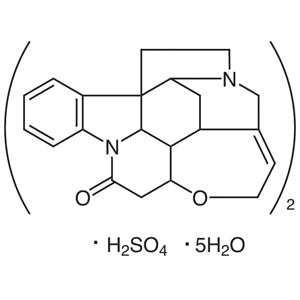
StrychnineSulfatePentahydrate TCI S0094
Regular price Rp 4.213.650,00Regular priceRp 2.962.050,00Sale price Rp 4.213.650,00