Methyl p-Toluenesulfonate (MPTS), also known as TCI T0269, is a versatile chemical compound widely used in organic synthesis. This reagent plays a crucial role in various chemical reactions, particularly in the formation of heterocyclic and aromatic compounds. In the laboratory, MPTS serves as a building block for the synthesis of complex molecules such as esters and sulfonates. Its high reactivity makes it a preferred choice for substitution and nucleophilic reactions. Due to its stable molecular structure and ease of manipulation under controlled laboratory conditions, MPTS is a reliable material for a wide range of chemical experiments.
MPTS is a white solid with a non-odorous appearance, making it easy to handle and identify. Its high purity and controlled chemical properties ensure consistent results in experimental processes. The compound’s stability across different reaction conditions allows for precise control during synthesis. Additionally, its availability in various packaging options makes it suitable for both small-scale and large-scale laboratory use. These characteristics make MPTS a valuable resource for researchers and chemists working in diverse fields.
In Indonesian laboratories, MPTS is commonly used in pure and applied chemical research. It is a key component in the synthesis of new compounds, drug development, and studies on aromatic reactivity. Its reliability and effectiveness make it an essential reagent for both academic and industrial applications. The compound’s widespread use highlights its importance in advancing chemical research and innovation in the region.
TCI brochures (PDF)
- Alkylation Reagents for Ester Synthesis 2026-04-06 · p. 3
- Organic synthesis for the preparation of esters and sulfonates due to its reactivity and stability.
- Nucleophilic substitution reactions where MPTS acts as a good leaving group for efficient reaction pathways.
- Heterocyclic compound formation as it facilitates the construction of complex ring structures.
- Aromatic compound studies to investigate substitution and reactivity patterns in aromatic systems.
- Drug development processes where MPTS is used as a building block for synthesizing active pharmaceutical ingredients.
| Brand | TCI |
|---|---|
| CAS number | 80-48-8 |
| Molecular formula | — |
| Purity | — |
| Category | Chemistry > Building Blocks > Non-Heterocyclic Building Blocks |
| Pack sizes | Available in various sizes to suit different laboratory needs |
| Physical form | White solid |
| Storage | Store in a cool, dry place away from moisture and direct sunlight |
Methyl p-Toluenesulfonate should be stored in a cool, dry environment to maintain its stability and prevent degradation. It is recommended to use airtight containers to protect the compound from moisture and air exposure. As a solid, it is generally safe to handle with standard laboratory precautions, but gloves should be worn to avoid direct contact. The compound is non-odorous, but proper ventilation is advised in case of large-scale use. It should be kept away from incompatible materials such as strong bases or reactive metals. Regular inspection of storage conditions ensures the compound remains in optimal condition for use in chemical experiments.
—
Produk Terkait
-
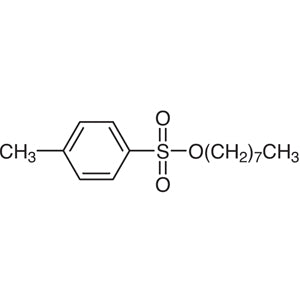
n-Octylp-Toluenesulfonate TCI T0885
Regular price Rp 2.625.000,00Regular priceRp 1.835.400,00Sale price Rp 2.625.000,00 -
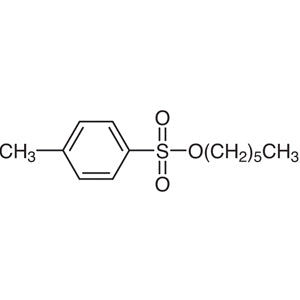
Hexylp-Toluenesulfonate TCI T0883
Regular price From Rp 1.776.600,00Regular priceRp 1.242.150,00Sale price From Rp 1.776.600,00 -
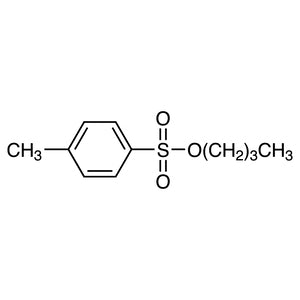
Butylp-Toluenesulfonate TCI T0727
Regular price From Rp 1.115.100,00Regular priceRp 779.100,00Sale price From Rp 1.115.100,00 -
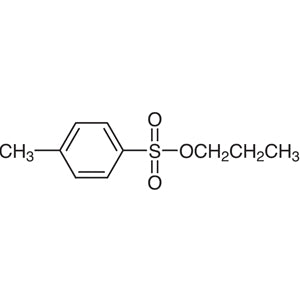
Propylp-Toluenesulfonate TCI T0726
Regular price From Rp 1.538.250,00Regular priceRp 1.075.200,00Sale price From Rp 1.538.250,00 -
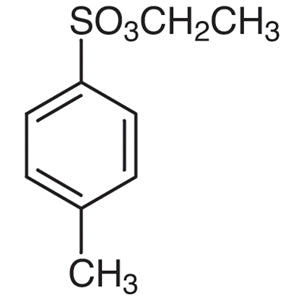
Ethylp-Toluenesulfonate TCI T0268
Regular price From Rp 557.550,00Regular priceRp 389.550,00Sale price From Rp 557.550,00 -
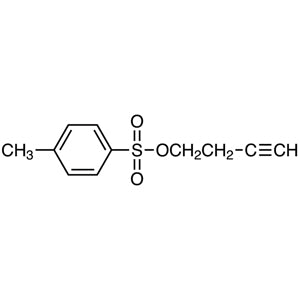
3-Butynylp-Toluenesulfonate TCI T2046
Regular price Rp 2.068.500,00Regular priceRp 1.445.850,00Sale price Rp 2.068.500,00 -
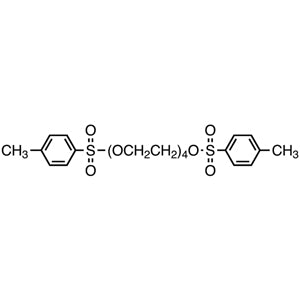
TetraethyleneGlycolBis(p-toluenesulfonate) TCI T1493
Regular price Rp 4.001.550,00Regular priceRp 2.814.000,00Sale price Rp 4.001.550,00 -
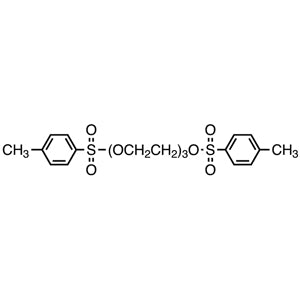
TriethyleneGlycolBis(p-toluenesulfonate) TCI T1488
Regular price From Rp 1.220.100,00Regular priceRp 868.350,00Sale price From Rp 1.220.100,00