Butyl p-Toluenesulfonate is a chemical compound widely used as a building block in organic synthesis. It serves as a versatile reagent in various chemical reactions, including substitution and ester formation. Its molecular structure enables it to participate in multiple synthetic pathways, making it an essential component in the development of complex organic molecules. In laboratory settings, it is frequently employed to produce compounds with applications in pharmaceuticals, materials science, and organic chemistry.
This compound is valued for its chemical stability and controlled reactivity, which minimize the occurrence of unwanted side reactions during synthesis. Its solubility in organic solvents such as ethyl acetate and acetone further enhances its utility, facilitating efficient separation and purification of final products. These properties make it a reliable and safe choice for researchers aiming to achieve consistent results in their experiments.
In Indonesian laboratories, Butyl p-Toluenesulfonate is commonly used in both fundamental and applied chemical research. It is a staple in academic institutions and research centers, supporting the development of new compounds and materials. Its availability in the local market ensures that researchers can access it easily for independent experimentation and innovation.
TCI brochures (PDF)
- Alkylation Reagents for Ester Synthesis 2026-04-06 · p. 4
- Organic synthesis: Butyl p-Toluenesulfonate is ideal for organic synthesis due to its reactivity and stability, enabling the formation of complex molecules with high yield.
- Pharmaceutical research: It is used in the development of pharmaceutical compounds as a key intermediate in the synthesis of various drug molecules.
- Material science: The compound plays a role in the creation of new materials, particularly in polymer chemistry and functional material synthesis.
- Academic research: It is widely utilized in university laboratories for teaching and experimental purposes, supporting both undergraduate and graduate studies.
- Industrial applications: Its use extends to industrial settings where organic compounds are produced on a larger scale for commercial purposes.
| Brand | TCI |
|---|---|
| CAS number | 778-28-9 |
| Molecular formula | — |
| Purity | — |
| Category | Chemistry > Building Blocks > Non-Heterocyclic Building Blocks |
| Pack sizes | Available in various quantities to meet different research needs |
| Physical form | Solid or liquid, depending on the specific product variant |
| Storage | Store in a cool, dry place away from direct sunlight |
Butyl p-Toluenesulfonate should be stored in a cool, dry environment to maintain its chemical stability. It is recommended to keep it in a sealed container to prevent exposure to moisture and air. Suitable containers include glass or high-density polyethylene bottles to avoid any chemical interactions. In laboratory settings, it should be handled with appropriate personal protective equipment, such as gloves and safety goggles. Due to its reactivity, it should be stored away from incompatible substances like strong bases or oxidizing agents. Proper labeling and storage conditions ensure the safety and effectiveness of the compound during use and experimentation.
—
Produk Terkait
-
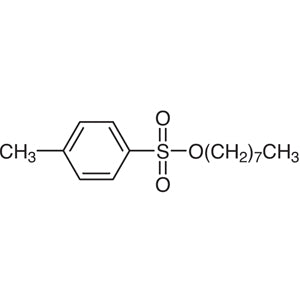
n-Octylp-Toluenesulfonate TCI T0885
Regular price Rp 2.625.000,00Regular priceRp 1.835.400,00Sale price Rp 2.625.000,00 -
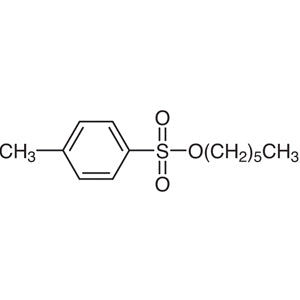
Hexylp-Toluenesulfonate TCI T0883
Regular price From Rp 1.776.600,00Regular priceRp 1.242.150,00Sale price From Rp 1.776.600,00 -
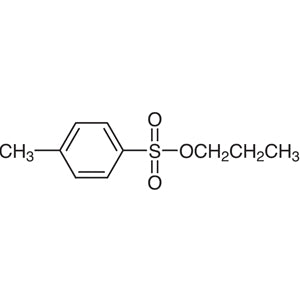
Propylp-Toluenesulfonate TCI T0726
Regular price From Rp 1.538.250,00Regular priceRp 1.075.200,00Sale price From Rp 1.538.250,00 -
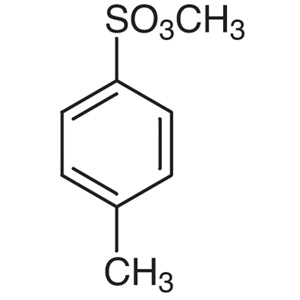
Methylp-Toluenesulfonate TCI T0269
Regular price From Rp 505.050,00Regular priceRp 352.800,00Sale price From Rp 505.050,00 -
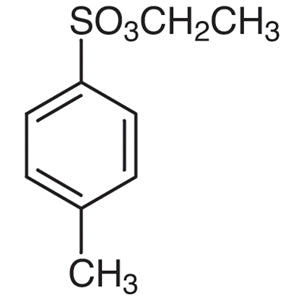
Ethylp-Toluenesulfonate TCI T0268
Regular price From Rp 557.550,00Regular priceRp 389.550,00Sale price From Rp 557.550,00 -
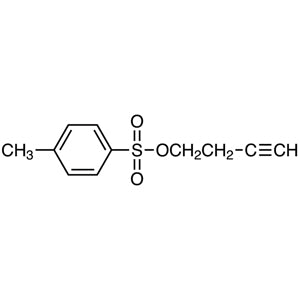
3-Butynylp-Toluenesulfonate TCI T2046
Regular price Rp 2.068.500,00Regular priceRp 1.445.850,00Sale price Rp 2.068.500,00 -
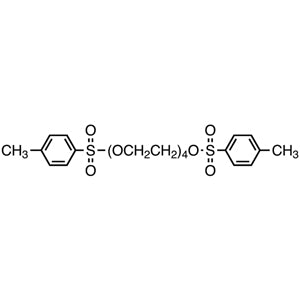
TetraethyleneGlycolBis(p-toluenesulfonate) TCI T1493
Regular price Rp 4.001.550,00Regular priceRp 2.814.000,00Sale price Rp 4.001.550,00 -
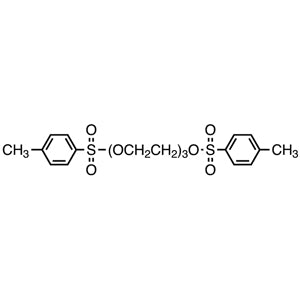
TriethyleneGlycolBis(p-toluenesulfonate) TCI T1488
Regular price From Rp 1.220.100,00Regular priceRp 868.350,00Sale price From Rp 1.220.100,00