Propyl p-Toluenesulfonate is a chemical compound widely used as a building block in organic synthesis. It serves as a versatile reagent in laboratory settings, enabling the formation of complex molecular structures through substitution and other chemical reactions. Its chemical structure makes it suitable for a variety of synthetic pathways, making it a valuable tool for researchers and educators. In both academic and industrial laboratories, this compound plays a crucial role in the development of new chemical compounds and materials.
The compound is known for its stability and reactivity, which are key factors in its popularity among chemists. It exhibits good solubility in organic solvents such as ethyl acetate and ethanol, facilitating its use in various reaction conditions. Its ability to function effectively in both acidic and basic environments further enhances its utility. These properties make it a reliable and efficient choice for chemical synthesis, ensuring consistent results in laboratory experiments.
In Indonesian laboratories, Propyl p-Toluenesulfonate is commonly used in chemical research and higher education. It is a staple in research institutions and universities, where it supports the development of new compounds and the teaching of organic chemistry. Its reliability and versatility make it a preferred material for both experimental and educational purposes, contributing to the advancement of scientific knowledge in the region.
TCI brochures (PDF)
- Alkylation Reagents for Ester Synthesis 2026-04-06 · p. 4
- Organic synthesis applications benefit from Propyl p-Toluenesulfonate's ability to participate in substitution reactions, making it ideal for creating complex organic molecules.
- It is widely used in the preparation of heterocyclic compounds, where its reactivity supports the formation of ring structures essential in pharmaceutical and chemical research.
- In educational settings, the compound is used to demonstrate fundamental chemical reactions, providing students with hands-on experience in synthetic chemistry.
- Its solubility in organic solvents makes it suitable for use in solvent-based reactions, enhancing the efficiency of laboratory procedures.
- The compound's stability across different pH levels allows it to be used in a variety of reaction conditions, offering flexibility in experimental design.
| Brand | TCI |
|---|---|
| CAS number | 599-91-7 |
| Molecular formula | — |
| Purity | — |
| Category | Chemistry > Building Blocks > Non-Heterocyclic Building Blocks |
| Pack sizes | Available in various quantities as per supplier specifications |
| Physical form | Solid (as per standard product description) |
| Storage | Store in a cool, dry place away from direct sunlight |
Propyl p-Toluenesulfonate should be stored in a cool, dry place, away from direct sunlight and sources of heat. It is recommended to use airtight containers to prevent moisture absorption, which could affect its chemical stability. The compound is generally non-hazardous under normal conditions but should be handled with care to avoid inhalation or skin contact. In laboratory settings, it is advisable to work in a well-ventilated area and use appropriate personal protective equipment. Proper storage ensures the compound remains effective and safe for use in chemical experiments and research.
—
Produk Terkait
-
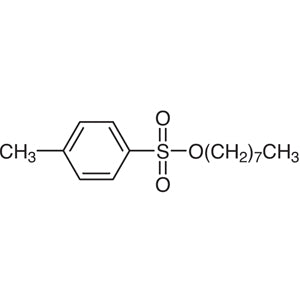
n-Octylp-Toluenesulfonate TCI T0885
Regular price Rp 2.625.000,00Regular priceRp 1.835.400,00Sale price Rp 2.625.000,00 -
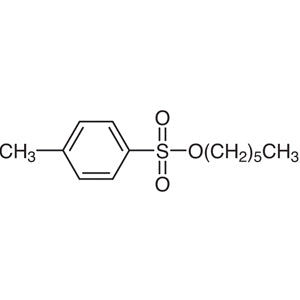
Hexylp-Toluenesulfonate TCI T0883
Regular price From Rp 1.776.600,00Regular priceRp 1.242.150,00Sale price From Rp 1.776.600,00 -
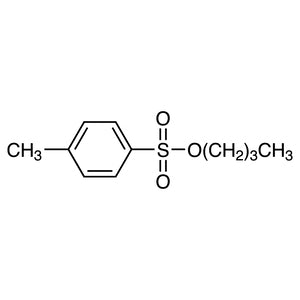
Butylp-Toluenesulfonate TCI T0727
Regular price From Rp 1.115.100,00Regular priceRp 779.100,00Sale price From Rp 1.115.100,00 -
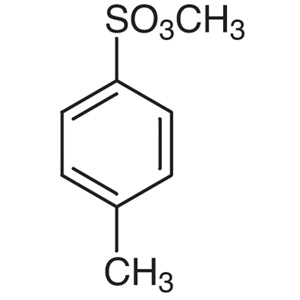
Methylp-Toluenesulfonate TCI T0269
Regular price From Rp 505.050,00Regular priceRp 352.800,00Sale price From Rp 505.050,00 -
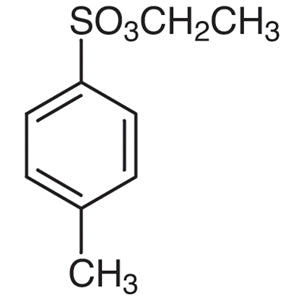
Ethylp-Toluenesulfonate TCI T0268
Regular price From Rp 557.550,00Regular priceRp 389.550,00Sale price From Rp 557.550,00 -
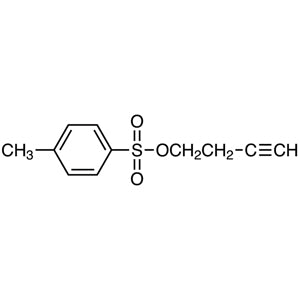
3-Butynylp-Toluenesulfonate TCI T2046
Regular price Rp 2.068.500,00Regular priceRp 1.445.850,00Sale price Rp 2.068.500,00 -
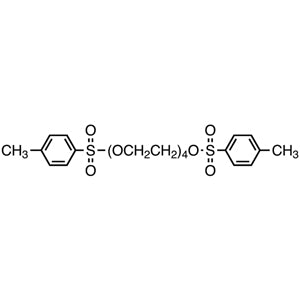
TetraethyleneGlycolBis(p-toluenesulfonate) TCI T1493
Regular price Rp 4.001.550,00Regular priceRp 2.814.000,00Sale price Rp 4.001.550,00 -
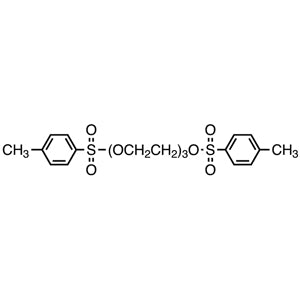
TriethyleneGlycolBis(p-toluenesulfonate) TCI T1488
Regular price From Rp 1.220.100,00Regular priceRp 868.350,00Sale price From Rp 1.220.100,00