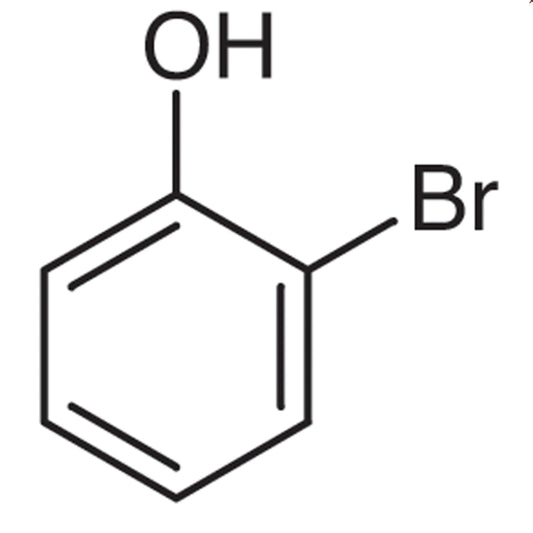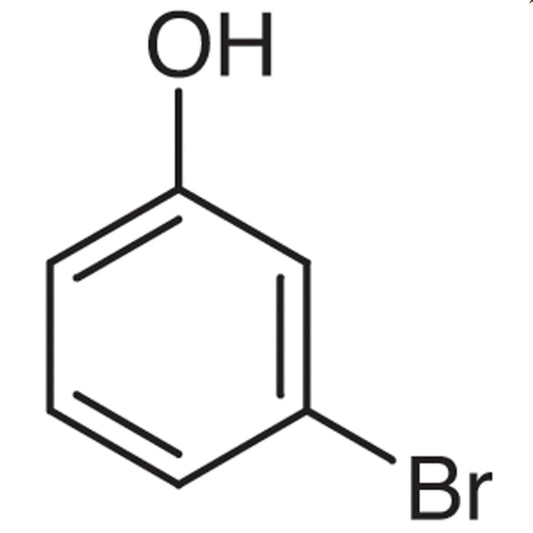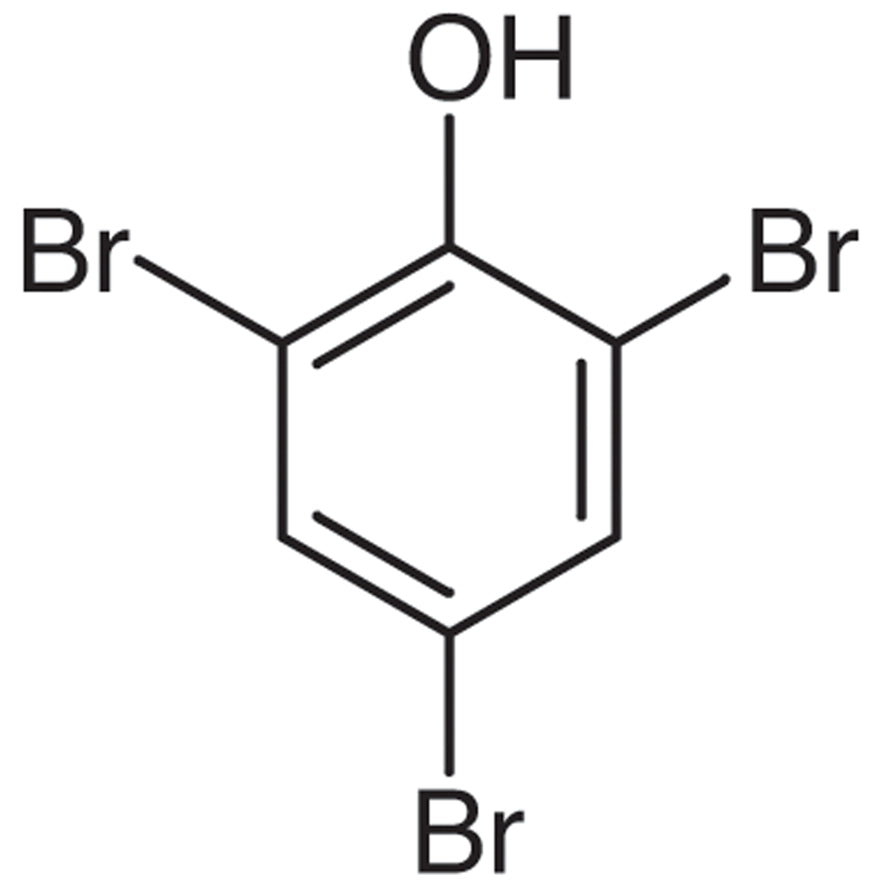
2,4,6-Tribromophenol is a chemical compound widely used in various laboratory applications, particularly in the synthesis of complex organic compounds. As a brominated phenol, it serves as a fundamental building block in chemical reactions, offering versatility in both functional group substitution and halogenation processes. Its presence in the chemical industry highlights its importance in the development of new materials and pharmaceuticals. In the laboratory, it is a key reagent for researchers aiming to explore the reactivity of brominated aromatic compounds.
The compound’s high reactivity and stability make it a preferred choice for chemical synthesis. The three bromine atoms attached to the phenol ring provide electronic effects that enhance its ability to participate in electrophilic substitution reactions. This characteristic allows it to be a reliable starting material in reactions where controlled reactivity is essential. Its chemical stability ensures that it remains inert until the desired reaction conditions are met, making it ideal for use in multi-step synthetic pathways.
In Indonesian laboratories, 2,4,6-Tribromophenol is commonly used in organic chemistry research, especially in studies involving halogenated compounds and complex molecule synthesis. It is a staple in academic and industrial research settings, where its predictable behavior and chemical properties support the development of new compounds and materials. Its consistent performance makes it a trusted reagent for both educational and applied research purposes.
- Organic synthesis applications benefit from 2,4,6-Tribromophenol’s reactivity and stability, making it suitable for creating complex organic compounds.
- Halogenation reactions often use this compound due to its bromine atoms, which facilitate substitution processes in aromatic rings.
- Electrophilic substitution studies rely on its electronic effects to enhance reaction rates and selectivity in aromatic systems.
- Research into brominated aromatic compounds utilizes its structure for understanding reactivity patterns in halogenated phenols.
- Industrial chemical production employs it as a building block for manufacturing brominated derivatives and specialty chemicals.
| Brand | TCI |
|---|---|
| CAS number | 118-79-6 |
| Molecular formula | — |
| Purity | — |
| Category | Chemistry > Building Blocks > Non-Heterocyclic Building Blocks |
| Pack sizes | Available in various quantities as per supplier specifications |
| Physical form | Solid |
| Storage | Store in a cool, dry place away from light and incompatible materials |
2,4,6-Tribromophenol should be stored in a cool, dry environment to maintain its chemical stability and prevent degradation. It is recommended to keep it in a sealed container to minimize exposure to moisture and air. Due to its bromine content, it should be stored away from incompatible substances such as flammable materials and strong oxidizers. Laboratory personnel should handle the compound with care, using appropriate personal protective equipment. Regular monitoring of storage conditions is essential to ensure safety and maintain the integrity of the material. Proper labeling and storage practices help prevent accidental exposure and ensure compliance with laboratory safety protocols.
—
Produk Terkait
-
4-Bromophenol[forBiochemicalResearch] TCI B3910
Regular price From Rp 717.150,00Regular priceRp 500.850,00Sale price From Rp 717.150,00 -
4-Bromophenol TCI B0787
Regular price From Rp 664.650,00Regular priceRp 464.100,00Sale price From Rp 664.650,00 -
2-Bromophenol TCI B0630
Regular price From Rp 2.016.000,00Regular priceRp 1.409.100,00Sale price From Rp 2.016.000,00 -
3-Bromophenol TCI B0629
Regular price Rp 2.094.750,00Regular priceRp 1.464.750,00Sale price Rp 2.094.750,00 -
3,5-Dibromophenol TCI D3820
Regular price Rp 717.150,00Regular priceRp 500.850,00Sale price Rp 717.150,00 -
2,6-Dibromophenol TCI D3384
Regular price From Rp 1.696.800,00Regular priceRp 1.186.500,00Sale price From Rp 1.696.800,00 -
2,4-Dibromophenol TCI D0265
Regular price From Rp 1.115.100,00Regular priceRp 779.100,00Sale price From Rp 1.115.100,00 -
2,4,6-TribromophenylMethacrylate TCI T3802
Regular price Rp 3.340.050,00Regular priceRp 2.335.200,00Sale price Rp 3.340.050,00