Triethylenetetramine (TETA), with CAS number 112-24-3, is a versatile chemical compound widely used in laboratory settings for its unique reactivity and structural properties. As a non-heterocyclic building block, TETA plays a crucial role in organic synthesis by serving as a flexible reactant that can participate in various chemical reactions. Its tetrahedral amine structure allows it to form stable bonds with multiple functional groups, making it an essential component in the development of complex chemical structures. This compound is particularly valuable in the creation of polymers, resins, and other organic materials due to its ability to facilitate crosslinking and network formation.
One of the key advantages of TETA is its ability to react with a wide range of functional groups, including carboxylic acids, amines, and aldehydes. This reactivity makes it highly suitable for applications such as crosslinking in polymer synthesis and the formation of polymeric networks. Additionally, TETA exhibits stability under certain conditions, which enhances its usability and simplifies storage and handling in laboratory environments. These properties contribute to its popularity among chemists and researchers working in both academic and industrial settings.
In Indonesian laboratories, TETA is commonly used in organic chemistry research and industrial chemical applications. Its availability, reliable chemical properties, and broad range of uses make it a preferred choice for scientists and technicians. TETA is frequently utilized in the development of new materials and compounds, supporting both fundamental research and applied industrial projects. Its role in the synthesis of thermoplastic polymers and epoxy resins further highlights its importance in the chemical industry.
TCI brochures (PDF)
- Polyamines 2025-10-21 · p. 2
- Ligands 2025-12-01 · p. 9
- Biomaterials Research Reagents 2025-02-19 · p. 19
- Monomers 2025-05-28 · p. 32
Related TCI products
- Polymer synthesis for thermoplastic materials due to its crosslinking capabilities and structural versatility.
- Epoxy resin production as a curing agent that enhances the mechanical properties of the final product.
- Organic compound synthesis in research settings where flexible amine functionality is required.
- Crosslinking applications in the development of polymeric networks for advanced material applications.
- Industrial chemical production where TETA's reactivity and stability contribute to efficient and reliable chemical processes.
| Brand | TCI |
|---|---|
| CAS number | 112-24-3 |
| Molecular formula | — |
| Purity | — |
| Category | Chemistry > Building Blocks > Non-Heterocyclic Building Blocks |
| Pack sizes | Available in various quantities as per standard laboratory supply formats |
| Physical form | Liquid |
| Storage | Store in a cool, dry place away from direct sunlight and incompatible materials |
TETA should be stored in a cool, dry environment, away from direct sunlight and sources of heat. It is recommended to keep the container tightly sealed to prevent exposure to air and moisture. Suitable storage containers should be made of inert materials such as glass or high-density polyethylene to avoid chemical interactions. In laboratory settings, TETA should be handled with appropriate personal protective equipment, including gloves and safety goggles, to ensure safety. Due to its reactivity, it should be stored separately from strong oxidizing agents and acids. Regular inspection of storage conditions and container integrity is advised to maintain the compound’s stability and usability.
—
Product Categories
Produk Terkait
-
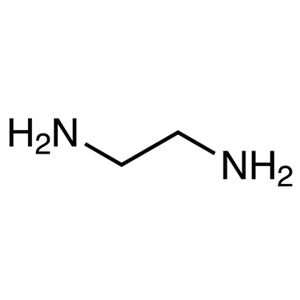
EthylenediamineAnhydrous TCI E0077
Regular price From Rp 505.050,00Regular priceRp 352.800,00Sale price From Rp 505.050,00 -
N,N'-Bis(3-aminopropyl)ethylenediamine TCI B1952
Regular price From Rp 610.050,00Regular priceRp 426.300,00Sale price From Rp 610.050,00 -
N,N'-Bis(2-aminoethyl)-1,3-propanediamine TCI B1445
Regular price Rp 1.378.650,00Regular priceRp 963.900,00Sale price Rp 1.378.650,00 -
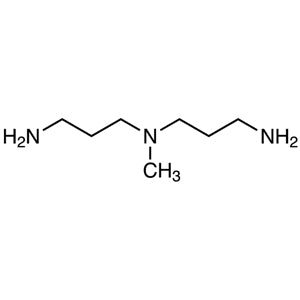
3,3'-Diamino-N-methyldipropylamine TCI B0821
Regular price From Rp 477.750,00Regular priceRp 333.900,00Sale price From Rp 477.750,00 -
4-Aminobenzylamine TCI A1436
Regular price From Rp 4.531.800,00Regular priceRp 3.184.650,00Sale price From Rp 4.531.800,00 -
3-Aminobenzylamine TCI A1431
Regular price From Rp 900.900,00Regular priceRp 645.750,00Sale price From Rp 900.900,00 -
1,3-DiaminopropaneDihydrochloride TCI T0613
Regular price From Rp 1.749.300,00Regular priceRp 1.223.250,00Sale price From Rp 1.749.300,00 -
1,3-Phenylenediamine TCI P1911
Regular price From Rp 1.193.850,00Regular priceRp 834.750,00Sale price From Rp 1.193.850,00