Tricyclo[5.2.1.0²,⁶]decanedimethanol is a chemical compound widely used as a foundational building block in organic chemistry research. This compound plays a crucial role in the synthesis of complex molecules due to its unique molecular structure, which allows for versatile chemical reactions. In laboratory settings, it serves as a key component in the development of new compounds, enabling chemists to manipulate its structure through various synthetic pathways. Its ability to react with different functional groups makes it highly adaptable for a range of applications in chemical synthesis.
One of the main reasons this compound is preferred is its chemical stability under specific conditions, which simplifies handling and storage. Additionally, its reactivity allows for a wide range of chemical transformations, making it a valuable tool for researchers. The compound's flexibility in forming different molecular structures also enhances its utility in the creation of more complex organic molecules. These properties make it an essential material for chemists working on advanced synthetic projects.
In Indonesian laboratories, Tricyclo[5.2.1.0²,⁶]decanedimethanol is commonly used in organic chemistry and compound synthesis research. It is frequently found in university and research laboratory settings where scientists are developing new chemical compounds. The availability of this material supports ongoing scientific investigations and contributes to the advancement of chemical knowledge in Indonesia.
TCI brochures (PDF)
- Biomaterials Research Reagents 2025-02-19 · p. 20
- Monomers 2025-05-28 · p. 26
Related TCI products
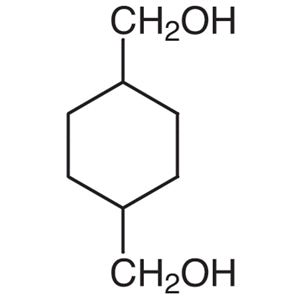
- TCI C0479 105-08-8 1,4-Cyclohexanedimethanol (cis- and trans- mixture)
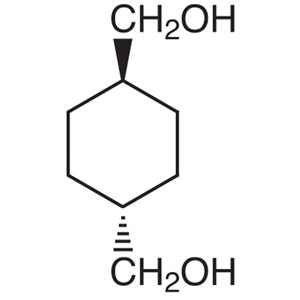
- TCI C2234 3236-48-4 trans-1,4-Cyclohexanedimethanol
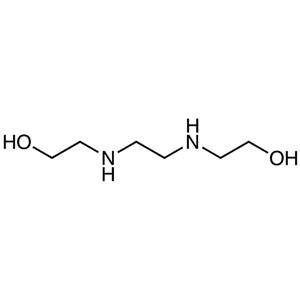
- TCI B3807 4439-20-7 N,N'-Bis(2-hydroxyethyl)ethylenediamine
- TCI B3384 821-11-4 trans-2-Butene-1,4-diol
- TCI B1643 10038-40-1 2,2'-Bis(hydroxymethyl)diphenyl Ether
- TCI B1621 20601-38-1 4,4'-Bicyclohexanol (mixture of isomers)
- Organic synthesis research benefits from this compound's ability to form complex molecular structures through various chemical reactions.
- It is ideal for creating new chemical compounds due to its reactivity and compatibility with multiple functional groups.
- In compound development projects, it serves as a versatile building block that can be modified through different synthetic methods.
- Its stability under controlled conditions makes it suitable for long-term storage and use in research environments.
- It supports the development of advanced materials in chemical engineering and pharmaceutical research applications.
| Brand | TCI |
|---|---|
| CAS number | 26896-48-0 |
| Molecular formula | — |
| Purity | — |
| Category | Chemistry > Building Blocks > Non-Heterocyclic Building Blocks |
| Pack sizes | Available in various quantities as per standard laboratory supply formats |
| Physical form | Solid, typically in crystalline or powder form |
| Storage | Store in a cool, dry place away from direct sunlight and moisture |
Tricyclo[5.2.1.0²,⁶]decanedimethanol should be stored in a cool, dry environment to maintain its chemical stability. It is recommended to keep it in a sealed container to prevent exposure to moisture and air. Suitable storage containers include glass or high-density polyethylene (HDPE) bottles to ensure chemical integrity. In laboratory settings, it should be handled with care to avoid contamination and ensure safe usage. Proper labeling and storage conditions are essential to maintain the compound's effectiveness and safety during research applications. Always follow standard laboratory safety protocols when working with this material.
—
Product Categories
Produk Terkait
-
1,4-Cyclohexanedimethanol(cis-andtrans-mixture) TCI C0479
Regular price From Rp 530.250,00Regular priceRp 386.400,00Sale price From Rp 530.250,00 -
trans-1,4-Cyclohexanedimethanol TCI C2234
Regular price From Rp 1.643.250,00Regular priceRp 1.164.450,00Sale price From Rp 1.643.250,00 -
N,N'-Bis(2-hydroxyethyl)ethylenediamine TCI B3807
Regular price Rp 3.498.600,00Regular priceRp 2.446.500,00Sale price Rp 3.498.600,00 -
trans-2-Butene-1,4-diol TCI B3384
Regular price From Rp 2.809.800,00Regular priceRp 1.980.300,00Sale price From Rp 2.809.800,00 -
2,2'-Bis(hydroxymethyl)diphenylEther TCI B1643
Regular price From Rp 3.815.700,00Regular priceRp 2.683.800,00Sale price From Rp 3.815.700,00 -
4,4'-Bicyclohexanol(mixtureofisomers) TCI B1621
Regular price From Rp 1.618.050,00Regular priceRp 1.146.600,00Sale price From Rp 1.618.050,00 -
3,9-Bis(1,1-dimethyl-2-hydroxyethyl)-2,4,8,10-tetraoxaspiro[5.5]undecane TCI B1158
Regular price From Rp 1.060.500,00Regular priceRp 757.050,00Sale price From Rp 1.060.500,00 -
2-Butyl-2-ethyl-1,3-propanediol TCI B0922
Regular price From Rp 530.250,00Regular priceRp 386.400,00Sale price From Rp 530.250,00