Trimethylolpropane Triacrylate (TMPTA), also known as TCI T0949 with CAS number 15625-89-5, is a versatile chemical compound widely used in laboratory settings for polymer synthesis and material development. As a multifunctional monomer, it provides a three-dimensional network structure that enhances the mechanical and chemical properties of the resulting polymers. This compound is particularly valuable in the creation of resins, adhesives, and composite materials due to its ability to form cross-linked structures. Its reactivity and compatibility with various functional groups make it a key component in many synthetic processes within the chemical industry.
TMPTA is favored for its high reactivity, especially towards free radicals, which allows for efficient polymerization reactions. The stabilization with MEHQ (methyl-2-hydroxypropyl) ensures that the compound remains chemically stable during storage and use, reducing the risk of premature degradation. This stability is crucial for maintaining the integrity of the material in long-term applications. Additionally, its chemical versatility enables it to be modified and incorporated into a wide range of formulations, making it an essential tool for researchers working in organic chemistry and materials science.
In Indonesian laboratories, TMPTA is commonly used in research related to polymer synthesis, surface modification, and the development of new materials. Its strong and flexible properties make it a preferred choice for applications requiring durable and adaptable chemical structures. It is frequently employed in academic and industrial research settings to support innovation in chemical engineering and advanced material development.
TCI brochures (PDF)
- Biomaterials Research Reagents 2025-02-19 · p. 12
- Monomers 2025-05-28 · p. 9
Related TCI products
- TCI T0912 3290-92-4 Trimethylolpropane Trimethacrylate (stabilized with MEHQ)
- TCI G0591 5459-38-1 Glycerol Triacrylate (stabilized with MEHQ)
- TCI N0790 2223-82-7 Neopentyl Glycol Diacrylate (stabilized with MEHQ)
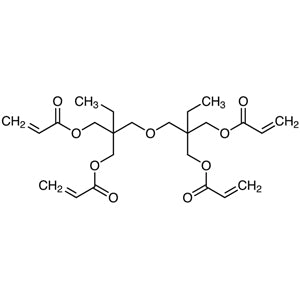
- TCI D5687 94108-97-1 Ditrimethylolpropane Tetraacrylate (stabilized with MEHQ)
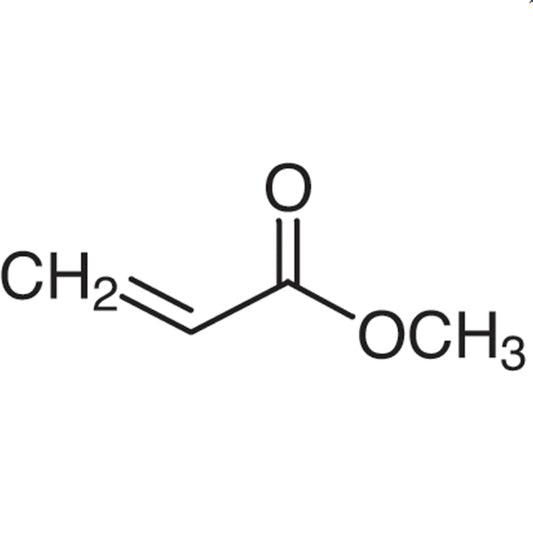
- TCI A0145 96-33-3 Methyl Acrylate (stabilized with MEHQ)
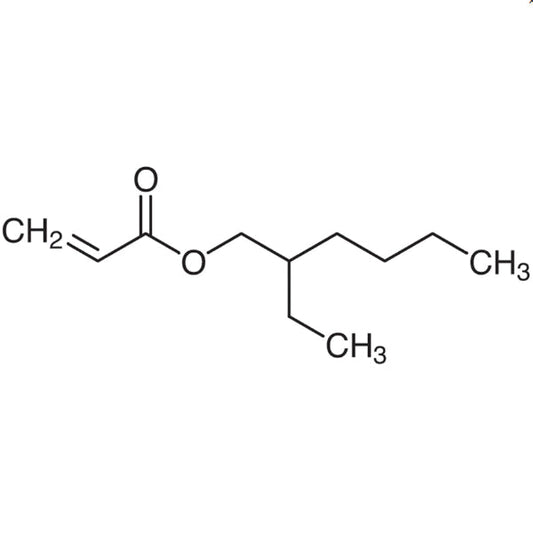
- TCI A0144 103-11-7 2-Ethylhexyl Acrylate Monomer (stabilized with MEHQ)
- Polymer synthesis is a key application where TMPTA is used to create cross-linked networks, enhancing the mechanical strength and thermal stability of the resulting materials.
- Surface modification projects benefit from TMPTA due to its ability to form stable chemical bonds, allowing for the functionalization of surfaces in various materials.
- Adhesive formulation relies on TMPTA's reactivity and cross-linking capabilities, making it ideal for creating strong and durable bonding agents.
- Composite material development uses TMPTA to improve the structural integrity and performance of polymer-based composites in industrial applications.
- Optical and electronic applications take advantage of TMPTA's tunable chemical properties, enabling the creation of materials with specific optical and electrical characteristics.
| Brand | TCI |
|---|---|
| CAS number | 15625-89-5 |
| Molecular formula | — |
| Purity | — |
| Category | Chemistry > Building Blocks > Non-Heterocyclic Building Blocks |
| Pack sizes | Available in various quantities as per standard laboratory supply |
| Physical form | Liquid |
| Storage | Store in a cool, dark place away from heat and direct sunlight |
TMPTA should be stored in a cool, dry environment, away from direct sunlight and sources of heat to maintain its chemical stability. It is recommended to use sealed containers made of materials compatible with its chemical properties, such as glass or high-density polyethylene. Due to its reactivity, it should be handled with appropriate personal protective equipment, including gloves and safety goggles. Avoid exposure to air and moisture to prevent premature degradation. In laboratory settings, proper ventilation is essential when working with this compound to ensure safe handling and minimize potential hazards. Always follow standard chemical safety protocols to ensure safe use and storage.
—
Product Categories
Produk Terkait
-
TrimethylolpropaneTrimethacrylate(stabilizedwithMEHQ) TCI T0912
Regular price From Rp 477.750,00Regular price -
GlycerolTriacrylate(stabilizedwithMEHQ) TCI G0591
Regular price Rp 2.889.600,00Regular price -
NeopentylGlycolDiacrylate(stabilizedwithMEHQ) TCI N0790
Regular price From Rp 823.200,00Regular price -
DitrimethylolpropaneTetraacrylate(stabilizedwithMEHQ) TCI D5687
Regular price From Rp 1.273.650,00Regular price -
MethylAcrylate(stabilizedwithMEHQ) TCI A0145
Regular price From Rp 477.750,00Regular price -
2-EthylhexylAcrylateMonomer(stabilizedwithMEHQ) TCI A0144
Regular price From Rp 505.050,00Regular price -
ButylAcrylate(stabilizedwithMEHQ) TCI A0142
Regular price From Rp 505.050,00Regular price -
3-SulfopropylAcrylatePotassiumSalt TCI U0117
Regular price Rp 1.565.550,00Regular price