1,2,4-Triacetoxybenzene is a chemical compound widely used in organic reactions as a building block or intermediate. It serves as a versatile reagent in synthetic chemistry, particularly in the preparation of complex aromatic compounds. This compound is commonly found in chemical laboratories, where it plays a crucial role in the development of new materials and pharmaceuticals. Its unique structure, featuring three acetoxy groups attached to a benzene ring, makes it an essential tool for chemists seeking to modify molecular frameworks.
The compound's chemical properties make it a preferred choice for various synthetic applications. It exhibits stability under controlled conditions but is sensitive to high temperatures and prolonged exposure to organic solvents. These characteristics influence its reactivity and make it suitable for substitution and coupling reactions. Its ability to participate in multiple reaction pathways enhances its utility in both academic and industrial research settings. The compound’s reactivity and structural versatility contribute to its popularity among researchers aiming to synthesize complex organic molecules.
In Indonesian laboratories, 1,2,4-Triacetoxybenzene is commonly used in organic chemistry research, especially in the development of pharmaceutical compounds, industrial chemicals, and synthetic intermediates. It is also employed in educational settings to teach students about organic reaction mechanisms and molecular synthesis techniques. Its widespread use in both research and teaching highlights its importance in the chemical sciences within Indonesia.
- Organic synthesis applications benefit from this compound's reactivity and structural versatility, enabling the creation of complex aromatic derivatives.
- Pharmaceutical research utilizes 1,2,4-Triacetoxybenzene as a building block for the development of new drug molecules and therapeutic agents.
- Industrial chemical production relies on this compound for the synthesis of specialty chemicals and functional materials.
- Educational institutions use it to demonstrate reaction mechanisms and synthetic strategies in undergraduate and graduate courses.
- Research laboratories incorporate it into advanced synthetic pathways for the design of novel compounds with specific functional groups.
| Brand | TCI |
|---|---|
| CAS number | 613-03-6 |
| Molecular formula | — |
| Purity | — |
| Category | Chemistry > Building Blocks > Non-Heterocyclic Building Blocks |
| Pack sizes | Available in various quantities as per supplier specifications |
| Physical form | Solid or liquid, depending on the specific product formulation |
| Storage | Store in a cool, dry place away from direct sunlight and incompatible materials |
This compound should be stored in a cool, dry environment, away from direct sunlight and sources of heat. It is recommended to use sealed containers made of inert materials such as glass or polyethylene to prevent contamination and maintain stability. Due to its sensitivity to high temperatures and organic solvents, it should be handled with care, and appropriate personal protective equipment should be worn. Storage conditions should be controlled to avoid exposure to moisture and air, which may affect its chemical integrity. Regular monitoring of storage conditions ensures the compound remains suitable for use in laboratory applications.
—
Produk Terkait
-
3-Acetoxybenzaldehyde TCI A2467
Regular price Rp 4.213.650,00Regular priceRp 2.946.300,00Sale price Rp 4.213.650,00 -
4-Acetoxybenzaldehyde TCI A1467
Regular price From Rp 530.250,00Regular priceRp 370.650,00Sale price From Rp 530.250,00 -
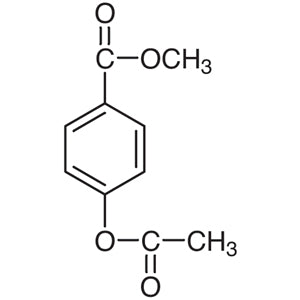
Methyl4-Acetoxybenzoate TCI A1227
Regular price Rp 1.220.100,00Regular priceRp 868.350,00Sale price Rp 1.220.100,00 -
4-AcetoxybenzoicAcid TCI A0885
Regular price From Rp 875.700,00Regular priceRp 627.900,00Sale price From Rp 875.700,00 -
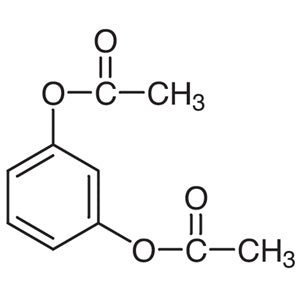
1,3-Diacetoxybenzene TCI R0046
Regular price From Rp 795.900,00Regular priceRp 556.500,00Sale price From Rp 795.900,00 -
1,2-Diacetoxybenzene TCI D2044
Regular price Rp 3.605.700,00Regular priceRp 2.521.050,00Sale price Rp 3.605.700,00 -
3,4-Diacetoxybenzaldehyde TCI D2042
Regular price From Rp 2.466.450,00Regular priceRp 1.724.100,00Sale price From Rp 2.466.450,00 -
1,4-Diacetoxybenzene TCI D1803
Regular price From Rp 1.035.300,00Regular priceRp 723.450,00Sale price From Rp 1.035.300,00