![429-41-4 Tetrabutylammonium Fluoride (ca. 1mol/L in Tetrahydrofuran) [for Catalyst of silylation and cleavage of silyl ether] - AMI Scientific](http://amiscientific.com/cdn/shop/files/TCI2510T1125.jpg?v=1769143544&width=1946)
![429-41-4 Tetrabutylammonium Fluoride (ca. 1mol/L in Tetrahydrofuran) [for Catalyst of silylation and cleavage of silyl ether] - AMI Scientific](http://amiscientific.com/cdn/shop/files/TCI2510T1125.jpg?v=1769143544&width=1445)
Tetrabutylammonium Fluoride (TBAF) is a chemical compound widely used in organic chemistry reactions, particularly in silylation and the cleavage of silyl ethers. It is commonly employed as a catalyst in deprotection and derivatization processes, which are essential in the synthesis of complex compounds. TBAF is a liquid solution with a concentration of approximately 1 mol/L in tetrahydrofuran (THF), making it highly effective in facilitating nucleophilic reactions. Its role in laboratory settings is critical for advancing research in organic chemistry, especially in the development of new materials and pharmaceutical compounds.
The key properties that make TBAF a preferred choice include its ability to provide active fluoride ions, which are crucial for nucleophilic reactions. It is stable under certain conditions and does not degrade easily, ensuring consistent performance across various experimental scales. Additionally, TBAF is known for its reactivity and efficiency in promoting cleavage reactions, making it a reliable reagent for both academic and industrial research. Its chemical stability and effectiveness in catalyzing reactions contribute to its widespread use in modern chemical laboratories.
In Indonesian laboratories, TBAF is frequently utilized in organic chemistry research, particularly by scientists working in the fields of organic synthesis, pharmacology, and material science. It is a preferred choice for its reliability and effectiveness in catalyzing deprotection and silyl ether cleavage reactions. Its role in accelerating chemical processes makes it an essential component in the toolkit of many researchers in Indonesia.
TCI brochures (PDF)
- TIPS-NSO for the Synthesis of Sulfinamides 2026-03-26 · p. 1
Related TCI products
- TCI T1338 429-41-4 Tetrabutylammonium Fluoride (ca 1mol/L in Tetrahydrofuran)
- TCI T1339 429-41-4 Tetrabutylammonium Fluoride (70-75% in Water)
- TCI T1037 22206-57-1 Tetrabutylammonium Fluoride Hydrate [for Catalyst of silylation and cleavage of silyl ether]
- TCI T2394 109-99-9 Tetrahydrofuran Anhydrous (stabilized with BHT)
- TCI T1948 2052-49-5 Tetrabutylammonium Hydroxide (37% in Methanol)
- TCI T0717 2052-49-5 Tetrabutylammonium Hydroxide (10% in Methanol)
- Organic synthesis reactions benefit from TBAF due to its ability to catalyze silyl ether cleavage and deprotection processes efficiently.
- In pharmaceutical research, TBAF is used to facilitate the synthesis of complex organic molecules, aiding in drug development.
- Material science laboratories rely on TBAF for the preparation of functional materials through silylation and deprotection reactions.
- TBAF is ideal for derivatization processes as it provides active fluoride ions that enhance reaction efficiency.
- It is commonly applied in analytical chemistry for the cleavage of silyl groups in compound analysis and characterization.
From the TCI brochure
- TBAF in THF for conversion of the sulfinamidation intermediate to the primary sulfinamide, 0°C to r.t.
| Brand | TCI |
|---|---|
| CAS number | 429-41-4 |
| Molecular formula | — |
| Purity | — |
| Category | Chemistry > Synthetic Reagents > Protection, Deprotection, Derivatization |
| Pack sizes | Available in standard laboratory quantities as specified by the supplier |
| Physical form | Liquid solution in tetrahydrofuran (THF) |
| Storage | Store in a cool, dry place away from moisture and direct sunlight |
Data from the TCI brochure
| Konsentrasi | ca. 1mol/L (in Tetrahydrofuran) |
|---|---|
| Kemasan | 25mL / 100mL |
Source: TCI brochure RR237 (2026-03-26)
Tetrabutylammonium Fluoride should be stored in a cool, dry place, away from moisture and direct sunlight. It is recommended to use airtight containers made of glass or polyethylene to prevent contamination and maintain chemical stability. Due to its reactivity, TBAF should be handled with care, using appropriate personal protective equipment such as gloves and safety goggles. It is important to ensure that the storage area is well-ventilated to minimize exposure to vapors. Proper labeling of containers is essential to avoid accidental use or contamination. Always follow standard laboratory safety protocols when working with this reagent to ensure a safe and effective research environment.
References cited in the TCI brochure
- Mingyan Ding. A Silyl Sulfinylamine Reagent Enables the Modular Synthesis of Sulfonimidamides via Primary Sulfinamides Organic Letters, 2022. doi:10.1021/acs.orglett.2c00347
Produk Terkait
-
TetrabutylammoniumFluoride(ca1mol/LinTetrahydrofuran) TCI T1338
Regular price From Rp 664.650,00Regular price -
TetrabutylammoniumFluoride(70-75%inWater) TCI T1339
Regular price From Rp 769.650,00Regular price -
TetrabutylammoniumFluorideHydrate[forCatalystofsilylationandcleavageofsilylether] TCI T1037
Regular price From Rp 4.028.850,00Regular price -
TetrahydrofuranAnhydrous(stabilizedwithBHT) TCI T2394
Regular price Rp 1.035.300,00Regular price -
TetrabutylammoniumHydroxide(37%inMethanol) TCI T1948
Regular price Rp 610.050,00Regular price -
TetrabutylammoniumHydroxide(10%inMethanol) TCI T0717
Regular price From Rp 505.050,00Regular price -
TetrabutylammoniumHydroxide(10%inMethanol)[fornon-aqueoustitration] TCI T0041
Regular price From Rp 1.829.100,00Regular price -
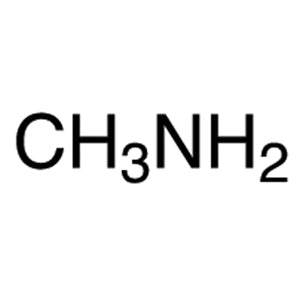
Methylamine(ca.7%inTetrahydrofuran,ca.2mol/L) TCI M2108
Regular price From Rp 903.000,00Regular price
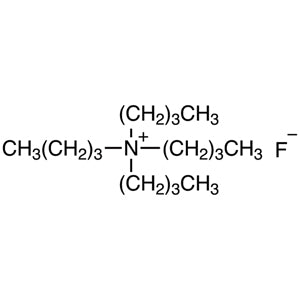

![22206-57-1 Tetrabutylammonium Fluoride Hydrate [for Catalyst of silylation and cleavage of silyl ether] - AMI Scientific](http://amiscientific.com/cdn/shop/files/TCI2510T1037.jpg?v=1768206363&width=533)
![22206-57-1 Tetrabutylammonium Fluoride Hydrate [for Catalyst of silylation and cleavage of silyl ether] - AMI Scientific](http://amiscientific.com/cdn/shop/files/TCI2510T1037_0351390a-1307-46ee-aff3-d705aa015f4b.jpg?v=1768363189&width=533)


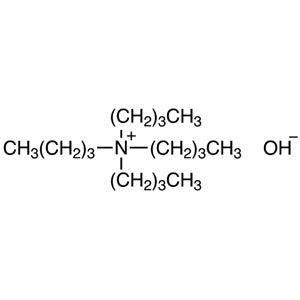
![2052-49-5 Tetrabutylammonium Hydroxide (10% in Methanol) [for non-aqueous titration] - AMI Scientific](http://amiscientific.com/cdn/shop/files/TCI2510T0041.jpg?v=1768206309&width=533)