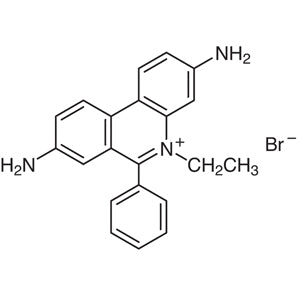
Acid Red 52 is a chemical pigment widely used in laboratory settings, particularly in the fields of chemistry and biology. It serves as a vital component in various experimental processes, where its distinct red color plays a crucial role in identifying and analyzing compounds. This dye is commonly employed as an indicator or coloring agent in specific chemical reactions, aiding researchers in observing changes and outcomes more effectively. Its stability and clarity make it an essential tool for laboratory professionals seeking reliable and consistent results.
The properties of Acid Red 52 that make it a preferred choice include its excellent solubility in organic solvents such as ethanol and acetone, which enhances its usability in diverse chemical applications. Its vibrant red color ensures clear visual observation during experiments, making it ideal for analytical procedures that require precise color detection. Additionally, its chemical stability and resistance to degradation under harsh conditions contribute to its reliability in long-term research projects. These characteristics collectively make Acid Red 52 a trusted and versatile material in modern laboratory environments.
In Indonesian laboratories, Acid Red 52 is frequently used in chemical and biological research, especially in academic institutions and research centers. Its availability and compliance with international quality standards make it a popular choice among scientists and students. The pigment's role in chromatography and spectroscopy techniques further solidifies its importance in both educational and industrial research contexts.
- Chromatography analysis: Acid Red 52 is ideal for chromatography due to its distinct color and solubility, allowing clear separation and identification of compounds.
- Spectroscopy experiments: Its vibrant red hue provides a strong visual signal, aiding in the accurate interpretation of spectral data.
- Biological staining: The dye is used in biological experiments to stain cells or tissues, enhancing visibility under microscopes for detailed observation.
- Chemical reaction monitoring: Its color change properties make it useful in tracking reaction progress and identifying reaction endpoints.
- Educational demonstrations: Acid Red 52 is commonly used in teaching labs to illustrate chemical reactions and dye behavior in a visually engaging manner.
| Brand | TCI |
|---|---|
| CAS number | 3520-42-1 |
| Molecular formula | — |
| Purity | — |
| Category | Chemistry > Stains and Dyes (for Research and Experimental Use) > Acid Dyes (for Research and Experimental Use) |
| Pack sizes | Available in various quantities as per standard laboratory requirements |
| Physical form | Powder or solid, depending on packaging |
| Storage | Store in a cool, dry place away from direct sunlight and moisture |
Acid Red 52 should be stored in a cool, dry environment to maintain its chemical stability and prevent degradation. It is recommended to keep the material in a sealed container to avoid exposure to moisture and air, which could affect its performance. When handling, it is advisable to use appropriate personal protective equipment, such as gloves and safety goggles, to ensure safety. The substance is non-toxic in its solid form but should be handled with care to prevent contamination. Proper labeling and storage conditions are essential to maintain the integrity of the material and ensure safe usage in laboratory settings.
—
Product Categories
Produk Terkait
-
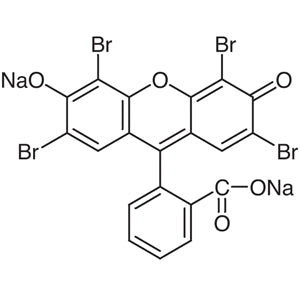
AcidRed87 TCI T0037
Regular price Rp 903.000,00Regular priceRp 631.050,00Sale price Rp 903.000,00 -
Fluorescein TCI F0095
Regular price Rp 875.700,00Regular priceRp 612.150,00Sale price Rp 875.700,00 -
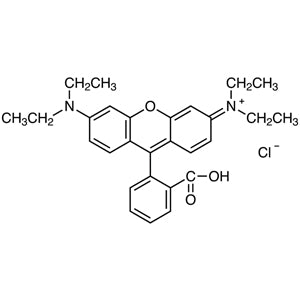
RhodamineB TCI R0040
Regular price From Rp 1.167.600,00Regular priceRp 815.850,00Sale price From Rp 1.167.600,00 -
Uranine TCI F0096
Regular price From Rp 637.350,00Regular priceRp 445.200,00Sale price From Rp 637.350,00 -
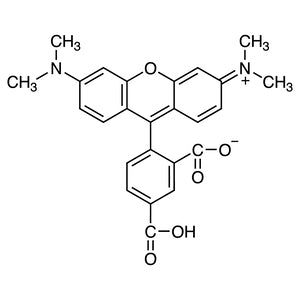
5-TAMRA TCI C2686
Regular price Rp 4.957.050,00Regular priceRp 3.466.050,00Sale price Rp 4.957.050,00 -
D-(-)-Luciferin[ChemiluminescenceReagent] TCI A5030
Regular price From Rp 3.683.400,00Regular priceRp 2.591.400,00Sale price From Rp 3.683.400,00 -
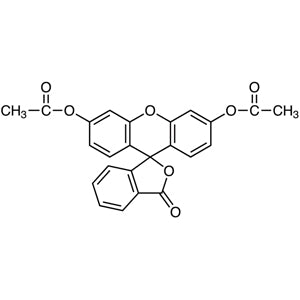
FluoresceinDiacetate TCI F0240
Regular price Rp 1.538.250,00Regular priceRp 1.090.950,00Sale price Rp 1.538.250,00 -
EthidiumBromide TCI E0370
Regular price From Rp 1.483.650,00Regular priceRp 1.053.150,00Sale price From Rp 1.483.650,00