TCI A0608 33926-46-4 Amyl 4-(4-Ethoxyphenoxycarbonyl)phenyl Carbonate is a specialized chemical compound used in scientific research, particularly in the field of liquid crystal (LC) materials. This compound plays a crucial role in the development of advanced materials with unique optical and electronic properties. Its complex molecular structure enables it to interact with other molecules, forming stable structures essential for various applications in materials science. Due to its versatility, it is a valuable tool for researchers aiming to explore new material behaviors and functionalities.
The compound is preferred for its ability to form stable molecular interactions and its compatibility with a wide range of chemical environments. Its chemical and physical properties make it ideal for use in synthesizing materials that respond to electric or magnetic fields. The compound's unique structure allows for the tuning of optical and electronic characteristics, making it a key component in the development of next-generation electronic and optical devices. Its reliability and consistency in performance further enhance its appeal in both academic and industrial research settings.
In Indonesian laboratories, this compound is commonly used in research focused on the development of liquid crystal materials for optical and electronic applications. It is widely utilized by research institutions and universities to conduct experiments aimed at improving the performance of materials in electronic devices. The compound's role in advancing material science research makes it an essential resource for scientists working on innovative material solutions.
TCI brochures (PDF)
- Liquid Crystal Materials 2026-04-01 · p. 7
Related TCI products
- TCI C0720 15455-79-5 Cholesterol Amyl Carbonate
- TCI B1485 5085-95-0 1,4-Bis(3-hydroxyphenoxy)benzene
- TCI B1484 126716-90-3 1,3-Bis(4-hydroxyphenoxy)benzene
- TCI B1479 104104-12-3 Bis[2-(4-methoxyphenoxy)ethyl] Ether
- TCI B1454 13118-91-7 1,3-Bis(4-methoxyphenoxy)benzene
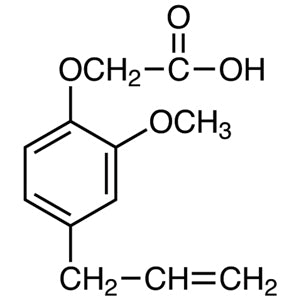
- TCI A3037 6331-61-9 (4-Allyl-2-methoxyphenoxy)acetic Acid
- Liquid Crystal Material Synthesis: This compound is ideal for creating liquid crystal materials with tunable optical and electronic properties, making it suitable for advanced display technologies.
- Optical Device Development: Its unique molecular structure allows for the synthesis of materials used in optical devices, enhancing light manipulation and response characteristics.
- Electronic Material Research: The compound is used in the development of materials that respond to electric fields, contributing to the advancement of electronic components and sensors.
- Molecular Interaction Studies: Its ability to form stable molecular interactions makes it a valuable tool for studying intermolecular forces and material behavior under various conditions.
- Material Characterization Experiments: Researchers use it to test and analyze the physical and chemical properties of new materials, supporting the development of innovative material applications.
| Brand | TCI |
|---|---|
| CAS number | 33926-46-4 |
| Molecular formula | — |
| Purity | — |
| Category | Materials Science > Electronic Materials > Liquid Crystal (LC) Materials |
| Pack sizes | Available in various quantities as per standard laboratory supply |
| Physical form | Solid or liquid, depending on formulation |
| Storage | Store in a cool, dry place away from direct sunlight and moisture |
This compound should be stored in a cool, dry environment, away from direct sunlight and moisture to maintain its stability and effectiveness. It is recommended to use airtight containers made of materials that are chemically inert to prevent contamination or degradation. Due to its chemical nature, it should be handled with appropriate personal protective equipment, such as gloves and safety goggles, to ensure laboratory safety. Proper ventilation is essential when working with this compound to minimize exposure to vapors. Regular monitoring of storage conditions is advised to ensure the compound remains in optimal condition for research use. Always follow standard laboratory safety protocols when handling and storing chemical substances.
—
Produk Terkait
-
CholesterolAmylCarbonate TCI C0720
Regular price From Rp 1.298.850,00Regular priceRp 924.000,00Sale price From Rp 1.298.850,00 -
1,4-Bis(3-hydroxyphenoxy)benzene TCI B1485
Regular price Rp 3.630.900,00Regular priceRp 2.554.650,00Sale price Rp 3.630.900,00 -
1,3-Bis(4-hydroxyphenoxy)benzene TCI B1484
Regular price From Rp 2.227.050,00Regular priceRp 1.572.900,00Sale price From Rp 2.227.050,00 -
Bis[2-(4-methoxyphenoxy)ethyl]Ether TCI B1479
Regular price Rp 1.298.850,00Regular priceRp 908.250,00Sale price Rp 1.298.850,00 -
1,3-Bis(4-methoxyphenoxy)benzene TCI B1454
Regular price Rp 3.446.100,00Regular priceRp 2.409.750,00Sale price Rp 3.446.100,00 -
(4-Allyl-2-methoxyphenoxy)aceticAcid TCI A3037
Regular price From Rp 2.093.700,00Regular priceRp 1.479.450,00Sale price From Rp 2.093.700,00 -
2-(4-Methoxyphenoxy)propanoicAcid TCI M3883
Regular price From Rp 1.087.800,00Regular priceRp 775.950,00Sale price From Rp 1.087.800,00 -
2-[(4-Methoxyphenoxy)methyl]oxirane TCI M3638
Regular price From Rp 1.776.600,00Regular priceRp 1.242.150,00Sale price From Rp 1.776.600,00