1,3-Bis(4-methoxyphenoxy)benzene is a chemical compound widely used as a building block in the synthesis of complex organic molecules. This compound plays a crucial role in laboratory settings, particularly in organic chemistry, where it serves as a versatile intermediate. Its unique molecular structure, featuring two methoxyphenyl groups connected by an oxygen bridge, makes it a valuable tool for chemical reactions involving substitution and chain coupling. Due to its stability and reactivity, it is frequently employed in the development of pharmaceuticals, polymers, and other organic compounds with diverse applications.
The compound's chemical stability and ability to participate in various reactions, such as electrophilic substitution and condensation, make it a preferred choice for synthetic chemists. Its symmetric molecular structure and the presence of methoxy groups enhance its polarity, allowing it to dissolve well in organic solvents. This solubility characteristic is essential for its use in a wide range of synthetic processes. Additionally, its availability in solid form simplifies handling and usage, making it a reliable option for laboratory experiments.
In Indonesian laboratories, 1,3-Bis(4-methoxyphenoxy)benzene is commonly used in organic chemistry research, especially in pharmaceutical and material science fields. Its role in the synthesis of bioactive compounds and functional materials highlights its importance in both academic and industrial research. The compound's versatility and reliability make it an essential component in the toolkit of chemists working in Indonesia.
Related TCI products
- TCI B5207 23116-94-1 1,5-Bis(2-hydroxyphenoxy)-3-oxapentane
- TCI B1485 5085-95-0 1,4-Bis(3-hydroxyphenoxy)benzene
- TCI B1484 126716-90-3 1,3-Bis(4-hydroxyphenoxy)benzene
- TCI B1479 104104-12-3 Bis[2-(4-methoxyphenoxy)ethyl] Ether
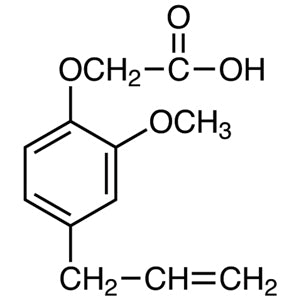
- TCI A3037 6331-61-9 (4-Allyl-2-methoxyphenoxy)acetic Acid
- TCI M3883 13794-15-5 2-(4-Methoxyphenoxy)propanoic Acid
- Organic synthesis is a primary application where this compound is used to create complex molecules through substitution and coupling reactions.
- Pharmaceutical research benefits from its role in the development of bioactive compounds and drug candidates.
- Polymer science utilizes this compound as a building block for creating functional and high-performance materials.
- Material science applications include the synthesis of advanced materials with specific chemical and physical properties.
- Analytical chemistry uses this compound as a standard for calibration and as a reference material in various analytical techniques.
| Brand | TCI |
|---|---|
| CAS number | 13118-91-7 |
| Molecular formula | — |
| Purity | — |
| Category | Chemistry > Building Blocks > Non-Heterocyclic Building Blocks |
| Pack sizes | Available in various quantities as per standard laboratory supply |
| Physical form | Solid |
| Storage | Store in a cool, dry place away from direct sunlight |
This compound should be stored in a cool, dry environment, away from direct sunlight and sources of heat. It is recommended to use airtight containers to prevent moisture absorption and contamination. Due to its chemical stability, it does not require refrigeration but should be kept in a secure location to avoid accidental exposure. In laboratory settings, proper personal protective equipment, such as gloves and safety goggles, should be worn when handling this material. It is important to ensure good ventilation when working with this compound to minimize inhalation risks. Always follow standard laboratory safety protocols to ensure safe handling and storage.
—
Produk Terkait
-
1,5-Bis(2-hydroxyphenoxy)-3-oxapentane TCI B5207
Regular price Rp 1.670.550,00Regular priceRp 1.183.350,00Sale price Rp 1.670.550,00 -
1,4-Bis(3-hydroxyphenoxy)benzene TCI B1485
Regular price Rp 3.630.900,00Regular priceRp 2.554.650,00Sale price Rp 3.630.900,00 -
1,3-Bis(4-hydroxyphenoxy)benzene TCI B1484
Regular price From Rp 2.227.050,00Regular priceRp 1.572.900,00Sale price From Rp 2.227.050,00 -
Bis[2-(4-methoxyphenoxy)ethyl]Ether TCI B1479
Regular price Rp 1.298.850,00Regular priceRp 908.250,00Sale price Rp 1.298.850,00 -
(4-Allyl-2-methoxyphenoxy)aceticAcid TCI A3037
Regular price From Rp 2.093.700,00Regular priceRp 1.479.450,00Sale price From Rp 2.093.700,00 -
2-(4-Methoxyphenoxy)propanoicAcid TCI M3883
Regular price From Rp 1.087.800,00Regular priceRp 775.950,00Sale price From Rp 1.087.800,00 -
2-[(4-Methoxyphenoxy)methyl]oxirane TCI M3638
Regular price From Rp 1.776.600,00Regular priceRp 1.242.150,00Sale price From Rp 1.776.600,00 -
1-(4-Methoxyphenoxy)-2-propanol TCI M1062
Regular price Rp 2.147.250,00Regular priceRp 1.517.250,00Sale price Rp 2.147.250,00