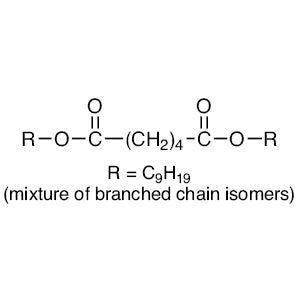
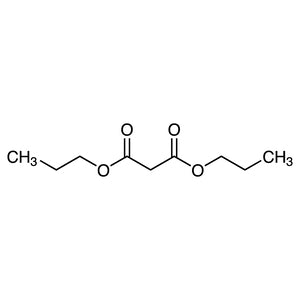
Dipropyl adipate is a chemical compound widely used as a foundational material in various laboratory applications, particularly in organic synthesis. It serves as a versatile building block for creating more complex chemical structures. This compound is commonly found in chemical laboratories where it supports essential reactions such as esterification, polymer synthesis, and molecular modification. Its role in chemical research is critical, especially in experiments requiring stability and reactivity.
One of the key reasons Dipropyl adipate is preferred is its chemical stability and resistance to degradation. These properties make it reliable for use in controlled laboratory environments. Additionally, it exhibits good solubility in organic solvents, which simplifies mixing and reaction processes. Its non-toxic and relatively safe nature further enhances its appeal for use in chemical experiments. These characteristics make it a trusted material for researchers seeking consistency and reliability.
In Indonesian laboratories, Dipropyl adipate is extensively used in chemical research, particularly in the synthesis of organic compounds and the development of new chemical materials. It is a common choice for researchers due to its effectiveness and ease of handling. Its broad applicability in various experimental setups makes it a valuable resource in both academic and industrial research settings.
TCI brochures (PDF)
- Polymer Additives 2026-04-16 · p. 3
Related TCI products
- Organic synthesis reactions benefit from Dipropyl adipate due to its role in esterification and polymer formation, offering stability and reactivity in controlled environments.
- It is ideal for molecular modification processes, providing a reliable building block for the creation of complex chemical structures with consistent results.
- As a solvent, Dipropyl adipate is suitable for reactions requiring solubility in organic solvents, enhancing the efficiency of chemical processes.
- In polymer synthesis, it supports the development of new materials by contributing to the structural integrity of the final product.
- It is used in chemical research where stability and non-toxicity are essential, ensuring safe and reproducible experimental outcomes.
| Brand | TCI |
|---|---|
| CAS number | 106-19-4 |
| Molecular formula | — |
| Purity | — |
| Category | Chemistry > Building Blocks > Non-Heterocyclic Building Blocks |
| Pack sizes | Available in various quantities as per standard laboratory supply |
| Physical form | Liquid |
| Storage | Store in a cool, dry place away from direct sunlight |
Dipropyl adipate should be stored in a cool, dry environment to maintain its chemical stability. It is recommended to keep it in a tightly sealed container to prevent exposure to air and moisture. The material is non-toxic and relatively safe, but standard laboratory safety precautions should still be followed when handling. It is advisable to store it away from incompatible substances to avoid any potential chemical interactions. Proper ventilation is recommended during use to ensure a safe working environment. Regular inspection of storage conditions is important to maintain the integrity of the compound over time.
—
Produk Terkait
-
DipropylPhthalate TCI P0306
Regular price From Rp 1.590.750,00Regular priceRp 1.111.950,00Sale price From Rp 1.590.750,00 -
Bis(2-ethylhexyl)Adipate TCI A0163
Regular price Rp 452.550,00Regular priceRp 316.050,00Sale price Rp 452.550,00 -
Bis(2-butoxyethyl)Adipate TCI B2716
Regular price From Rp 717.150,00Regular priceRp 500.850,00Sale price From Rp 717.150,00 -
DiisononylAdipate(mixtureofbranchedchainisomers) TCI A1387
Regular price From Rp 584.850,00Regular priceRp 408.450,00Sale price From Rp 584.850,00 -
DiisopropylAdipate TCI A0654
Regular price From Rp 903.000,00Regular priceRp 631.050,00Sale price From Rp 903.000,00 -
DipropylTetrachlorophthalate TCI T0595
Regular price Rp 2.359.350,00Regular priceRp 1.649.550,00Sale price Rp 2.359.350,00 -
DipropylMalonate TCI M0034
Regular price Rp 2.121.000,00Regular priceRp 1.498.350,00Sale price Rp 2.121.000,00 -
DimethylAdipate TCI A0166
Regular price From Rp 505.050,00Regular priceRp 352.800,00Sale price From Rp 505.050,00