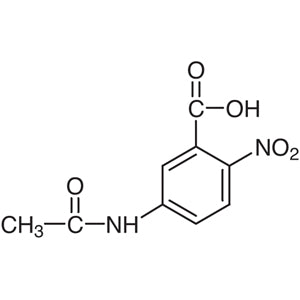
5-Acetamido-2-aminobenzoic Acid is a chemical compound widely used in laboratory settings for the synthesis of complex organic molecules. As a building block in chemical reactions, it serves as a versatile intermediate in the development of various compounds. Its role in laboratory research is critical, particularly in organic chemistry, where it contributes to the formation of intricate molecular structures. This compound is frequently utilized in both academic and industrial research environments due to its functional versatility and reactivity.
The compound’s chemical properties make it a preferred choice for researchers. It contains two functional groups—acetamido and amino—which allow it to participate in a wide range of chemical reactions. These groups enable it to act as a donor of both amine and carboxylate functionalities, facilitating the formation of more complex chemical bonds. Its stability under various reaction conditions and compatibility with common reagents such as acids, bases, and organic solvents further enhance its utility. This combination of reactivity and stability makes it an essential tool in synthetic chemistry.
In Indonesian laboratories, 5-Acetamido-2-aminobenzoic Acid is commonly used in pharmaceutical, organic, and biochemical research. Its application is particularly relevant in the development of drug compounds and industrial chemicals. Due to its availability and broad applicability, it is a go-to material for researchers aiming to accelerate the synthesis of complex molecules. Its presence in scientific studies supports advancements in multiple fields of chemistry.
Related TCI products
- TCI A0073 588-23-8 4-Acetamido-2',3-dimethylazobenzene
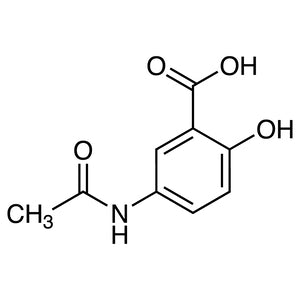
- TCI A3540 51-59-2 5-Acetamido-2-hydroxybenzoic Acid
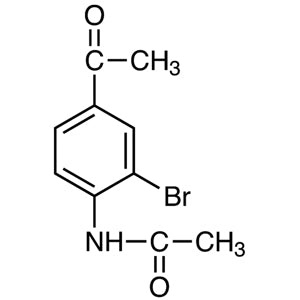
- TCI A2852 101209-08-9 4'-Acetamido-3'-bromoacetophenone
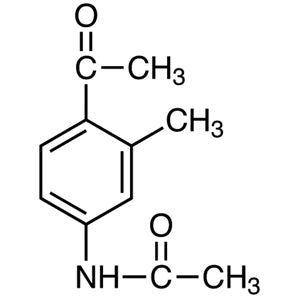
- TCI A2767 34956-31-5 4'-Acetamido-2'-methylacetophenone
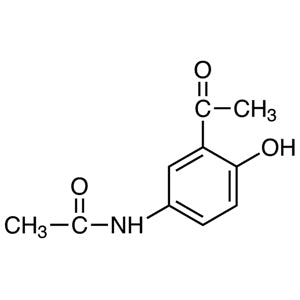
- TCI A2698 7298-67-1 5'-Acetamido-2'-hydroxyacetophenone
- TCI A2169 31127-80-7 5-Acetamido-N,N'-bis(2,3-dihydroxypropyl)-2,4,6-triiodoisophthalamide
- Organic synthesis applications benefit from its dual functional groups, enabling the formation of complex molecular structures through amine and carboxylate reactions.
- Pharmaceutical research utilizes this compound as a key intermediate in the development of drug molecules due to its reactivity and structural versatility.
- Biochemical studies often incorporate this material for the synthesis of compounds involved in biological processes and enzyme interactions.
- Industrial chemical production relies on its stability and compatibility with various reagents to create a wide range of functional derivatives.
- Academic research in chemical engineering uses it as a fundamental building block for teaching and experimental purposes in synthetic chemistry.
| Brand | TCI |
|---|---|
| CAS number | 50670-83-2 |
| Molecular formula | — |
| Purity | — |
| Category | Chemistry > Building Blocks > Non-Heterocyclic Building Blocks |
| Pack sizes | Available in various quantities as per standard laboratory supply |
| Physical form | Solid powder |
| Storage | Store in a cool, dry place away from direct light and moisture |
This compound should be stored in a cool, dry environment, away from direct sunlight and moisture. It is recommended to keep it in a sealed container to prevent exposure to air and humidity. Due to its chemical reactivity, it should be handled with care, using appropriate personal protective equipment such as gloves and safety goggles. It is advisable to store it in a well-ventilated area to minimize the risk of inhalation of any vapors. Avoid contact with incompatible substances like strong acids or bases. Proper labeling and storage conditions ensure the compound remains stable and safe for use in laboratory settings.
—
Produk Terkait
-
4-Acetamido-2',3-dimethylazobenzene TCI A0073
Regular price Rp 2.625.000,00Regular priceRp 1.835.400,00Sale price Rp 2.625.000,00 -
5-Acetamido-2-hydroxybenzoicAcid TCI A3540
Regular price Rp 4.611.600,00Regular priceRp 3.240.300,00Sale price Rp 4.611.600,00 -
4'-Acetamido-3'-bromoacetophenone TCI A2852
Regular price Rp 1.220.100,00Regular priceRp 868.350,00Sale price Rp 1.220.100,00 -
4'-Acetamido-2'-methylacetophenone TCI A2767
Regular price From Rp 1.192.800,00Regular priceRp 849.450,00Sale price From Rp 1.192.800,00 -
5'-Acetamido-2'-hydroxyacetophenone TCI A2698
Regular price From Rp 742.350,00Regular priceRp 534.450,00Sale price From Rp 742.350,00 -
5-Acetamido-N,N'-bis(2,3-dihydroxypropyl)-2,4,6-triiodoisophthalamide TCI A2169
Regular price Rp 7.526.400,00Regular priceRp 5.278.350,00Sale price Rp 7.526.400,00 -
5-Acetamido-2-nitrobenzoicAcid TCI A2156
Regular price Rp 4.611.600,00Regular priceRp 3.240.300,00Sale price Rp 4.611.600,00 -
2-Acetamido-6-nitrobenzoicAcid TCI A1841
Regular price From Rp 822.150,00Regular priceRp 590.100,00Sale price From Rp 822.150,00