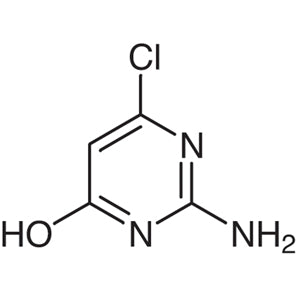
2-Amino-4-chloro-6-hydroxypyrimidine is a chemical compound widely used in synthetic reactions to construct complex heterocyclic structures. As a member of the pyrimidine family, it serves as a key building block in organic chemistry, offering versatility in chemical synthesis. This compound is particularly valuable for its ability to participate in various reactions, including substitution and condensation, making it a fundamental tool for researchers working on molecular design. Its chemical stability and reactivity make it a preferred choice for laboratory applications where precise chemical transformations are required.
The compound’s molecular structure provides a stable foundation for further chemical modifications, enabling the synthesis of a wide range of derivatives. Its hydroxyl and amino groups enhance its reactivity, allowing it to interact with multiple reagents in controlled environments. These properties make it an essential material for organic chemists and pharmacologists seeking to develop new compounds with specific biological activities. Its availability in pure crystalline form ensures consistent performance in laboratory settings, supporting reproducibility and accuracy in research.
In Indonesian laboratories, 2-Amino-4-chloro-6-hydroxypyrimidine is commonly used in organic chemistry and pharmacology research. It plays a crucial role in the development of pharmaceutical compounds and industrial chemicals. Researchers rely on its predictable behavior and chemical versatility to explore new synthetic pathways and biological applications. Its presence in scientific studies contributes to advancements in both academic and applied research fields.
Related TCI products
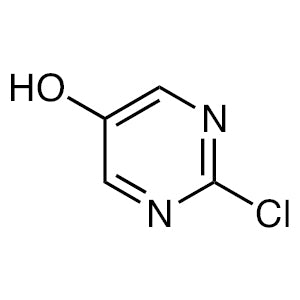
- TCI C3685 4983-28-2 2-Chloro-5-hydroxypyrimidine
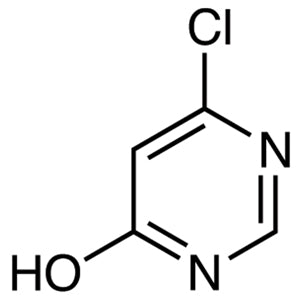
- TCI C2368 4765-77-9 4-Chloro-6-hydroxypyrimidine
- TCI B2848 38353-06-9 5-Bromo-2-hydroxypyrimidine
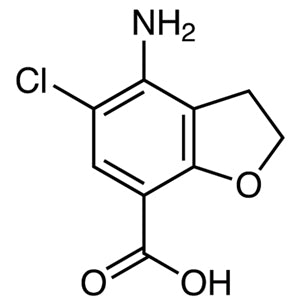
- TCI A2918 123654-26-2 4-Amino-5-chloro-2,3-dihydrobenzofuran-7-carboxylic Acid
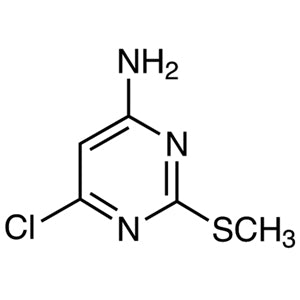
- TCI A2848 1005-38-5 4-Amino-6-chloro-2-(methylthio)pyrimidine
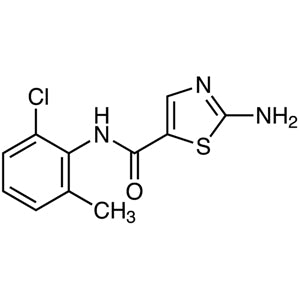
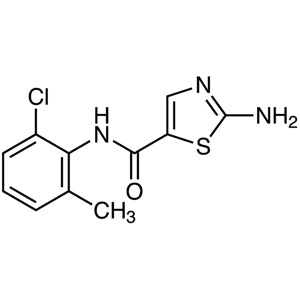
- TCI A2773 302964-24-5 2-Amino-N-(2-chloro-6-methylphenyl)thiazole-5-carboxamide
- Organic synthesis applications benefit from this compound's ability to participate in substitution and condensation reactions, enabling the creation of complex heterocyclic structures.
- Pharmaceutical research utilizes this compound as a building block for the development of new drugs with potential therapeutic applications.
- Heterocyclic compound synthesis relies on its stable molecular framework, which supports the formation of various derivatives with different functional groups.
- Biochemical studies incorporate this compound to investigate its interactions with biological systems and potential pharmacological effects.
- Industrial chemical development uses this compound as a precursor for the synthesis of specialized chemicals with specific functional properties.
| Brand | TCI |
|---|---|
| CAS number | 1194-21-4 |
| Molecular formula | — |
| Purity | — |
| Category | Chemistry > Building Blocks > Heterocyclic Building Blocks |
| Pack sizes | Available in various quantities as per standard laboratory supply |
| Physical form | Pure crystalline solid |
| Storage | Store in a cool, dry place away from direct sunlight |
This compound should be stored in a cool, dry environment to maintain its chemical stability and prevent degradation. It is recommended to keep it in a sealed container to avoid exposure to moisture and air, which could affect its purity. Suitable storage conditions include a controlled room temperature with low humidity levels. Laboratory personnel should handle the compound with care, using appropriate personal protective equipment to ensure safety. Proper labeling of containers is essential to prevent misidentification and ensure safe handling. The compound should be stored away from incompatible materials to avoid any potential chemical interactions.
—
Produk Terkait
-
2-Chloro-5-hydroxypyrimidine TCI C3685
Regular price From Rp 955.500,00Regular price -
4-Chloro-6-hydroxypyrimidine TCI C2368
Regular price From Rp 1.087.800,00Regular price -
5-Bromo-2-hydroxypyrimidine TCI B2848
Regular price From Rp 1.035.300,00Regular price -
4-Amino-5-chloro-2,3-dihydrobenzofuran-7-carboxylicAcid TCI A2918
Regular price From Rp 1.353.450,00Regular price -
4-Amino-6-chloro-2-(methylthio)pyrimidine TCI A2848
Regular price Rp 1.724.100,00Regular price -
2-Amino-N-(2-chloro-6-methylphenyl)thiazole-5-carboxamide TCI A2773
Regular price From Rp 769.650,00Regular price -
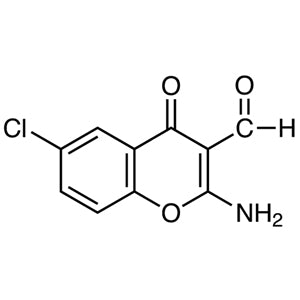
2-Amino-6-chloro-3-formylchromone TCI A2743
Regular price From Rp 1.326.150,00Regular price -
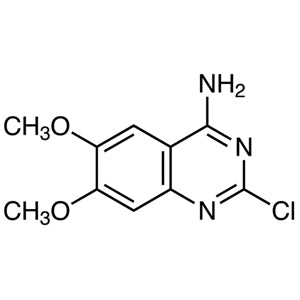
4-Amino-2-chloro-6,7-dimethoxyquinazoline TCI A2151
Regular price From Rp 664.650,00Regular price