Monoethyl Adipate (MEA), with the CAS number 626-86-8, is a chemical compound widely used in laboratory settings for the synthesis of complex molecules. As a building block in organic chemistry, MEA plays a crucial role in esterification and substitution reactions. Its simple molecular structure makes it a versatile reagent for creating esters and other organic compounds. In the laboratory, MEA is essential for facilitating reactions involving hydroxyl or carboxylic acid groups, enabling the formation of more complex chemical structures.
MEA is preferred for its stable chemical properties and ease of handling. It is colorless, odorless, and has a relatively high boiling point, which contributes to its reliability in various experimental conditions. Its solubility in organic solvents such as ethanol and ether makes it easy to work with in different reaction environments. Additionally, MEA is chemically stable under normal conditions, which ensures long-term storage and consistent performance in experiments. These characteristics make it a reliable and efficient reagent for chemical synthesis.
In Indonesian laboratories, MEA is commonly used in organic chemistry research conducted by universities and research institutions. It is particularly relevant in the development of cosmetic ingredients and industrial chemicals, such as plastic materials. Its availability and reliability make it a preferred choice for both academic and industrial applications in the chemical sector.
- Organic synthesis applications benefit from MEA's role in esterification and substitution reactions, making it ideal for creating complex organic compounds.
- It is widely used in the development of cosmetic ingredients due to its chemical stability and compatibility with organic solvents.
- MEA supports the production of industrial chemicals, including plastic materials, by providing a reliable building block for chemical synthesis.
- In academic research settings, MEA is essential for teaching and experimental work involving ester formation and functional group transformations.
- Its non-toxic and stable nature makes it suitable for use in both educational and industrial laboratory environments.
| Brand | TCI |
|---|---|
| CAS number | 626-86-8 |
| Molecular formula | — |
| Purity | — |
| Category | Chemistry > Building Blocks > Non-Heterocyclic Building Blocks |
| Pack sizes | Available in various sizes as per supplier specifications |
| Physical form | Liquid |
| Storage | Store in a cool, dry place away from direct sunlight |
MEA should be stored in a cool, dry environment, away from direct sunlight to maintain its chemical stability. It is recommended to use airtight containers made of glass or stainless steel to prevent contamination and evaporation. As a non-hazardous chemical, MEA does not require special handling beyond standard laboratory safety protocols. It is important to ensure proper ventilation when working with MEA to avoid inhalation of vapors. Due to its high boiling point, MEA remains stable under normal storage conditions, making it suitable for long-term use in both academic and industrial laboratories. Always follow standard laboratory safety procedures when handling any chemical compound.
—
Produk Terkait
-
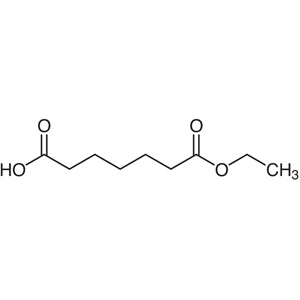
MonoethylPimelate TCI P1244
Regular price From Rp 2.544.150,00Regular priceRp 1.794.450,00Sale price From Rp 2.544.150,00 -
Monoethyl4-Oxoheptanedioate TCI O0211
Regular price Rp 4.559.100,00Regular priceRp 3.203.550,00Sale price Rp 4.559.100,00 -
Monoethyl5-Nitroisophthalate TCI N0676
Regular price From Rp 1.193.850,00Regular priceRp 834.750,00Sale price From Rp 1.193.850,00 -
MonoethylMalonate TCI M2700
Regular price From Rp 1.298.850,00Regular priceRp 924.000,00Sale price From Rp 1.298.850,00 -
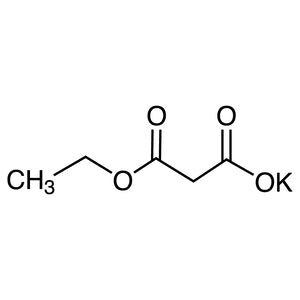
MonoethylPotassiumMalonate TCI M0975
Regular price From Rp 1.776.600,00Regular priceRp 1.257.900,00Sale price From Rp 1.776.600,00 -
MonoethylItaconate TCI I0268
Regular price Rp 2.914.800,00Regular priceRp 2.053.800,00Sale price Rp 2.914.800,00 -
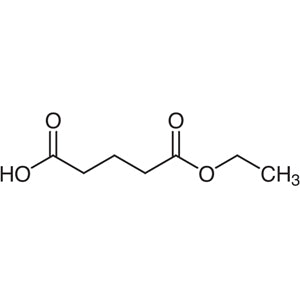
MonoethylGlutarate TCI G0271
Regular price From Rp 1.351.350,00Regular priceRp 960.750,00Sale price From Rp 1.351.350,00 -
MonoethylFumarate TCI F0359
Regular price Rp 1.961.400,00Regular priceRp 1.387.050,00Sale price Rp 1.961.400,00