Monoethyl fumarate is a chemical compound widely used in laboratory settings for its versatility in organic synthesis. It serves as a key building block in the creation of complex molecular structures, making it an essential tool for chemists and researchers. This compound is commonly employed in reactions that require esterification or addition, contributing to the development of various functional groups and molecular frameworks. Its role in the laboratory is critical for those engaged in synthetic chemistry, where precise control over molecular structure is paramount.
The chemical properties of monoethyl fumarate make it a preferred choice for laboratory applications. It exhibits stability under normal conditions while remaining reactive enough to participate in a range of chemical transformations. Its relatively high melting and boiling points facilitate controlled heating and cooling processes, which are essential in many synthetic protocols. Additionally, its solid form simplifies handling, storage, and measurement, enhancing its usability in routine laboratory procedures. The non-corrosive nature of the compound also ensures safety during use, aligning with the standards of modern laboratory practices.
In Indonesian laboratories, monoethyl fumarate is frequently used by chemists and scientists in experimental setups that require organic synthesis. It is a staple in research facilities where the development of new compounds and materials is a priority. Its availability and reliability make it a go-to reagent for both academic and industrial research, supporting a wide array of chemical investigations. Its role in the Indonesian scientific community underscores its importance as a fundamental chemical building block.
- Organic synthesis is a primary application where monoethyl fumarate is used to create ester functionalities and complex molecular structures.
- Esterification reactions benefit from monoethyl fumarate due to its reactivity and stability, enabling the formation of ester compounds.
- Addition reactions in synthetic pathways often utilize this compound because of its ability to participate in various chemical transformations.
- Research in heterocyclic compound development frequently incorporates monoethyl fumarate as a versatile building block.
- Industrial chemical production relies on this compound for the synthesis of various organic materials and derivatives.
| Brand | TCI |
|---|---|
| CAS number | 2459-05-4 |
| Molecular formula | — |
| Purity | — |
| Category | Chemistry > Building Blocks > Non-Heterocyclic Building Blocks |
| Pack sizes | — |
| Physical form | Solid |
| Storage | Store in a cool, dry place away from direct sunlight |
Monoethyl fumarate should be stored in a cool, dry environment to maintain its chemical integrity. It is recommended to keep the compound in a sealed container to prevent moisture absorption and contamination. Due to its solid form, it is suitable for storage in glass or plastic containers that are resistant to chemical reactions. Laboratory personnel should handle the compound with care, using appropriate personal protective equipment when necessary. While it is not corrosive, it is still important to follow standard laboratory safety protocols to ensure safe handling and use. Proper storage conditions help preserve the compound’s reactivity and effectiveness in chemical reactions.
—
Produk Terkait
-
MonoethylAdipate TCI A1223
Regular price From Rp 1.140.300,00Regular price -
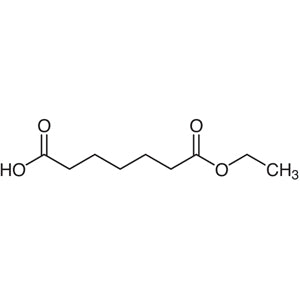
MonoethylPimelate TCI P1244
Regular price From Rp 2.491.650,00Regular price -
Monoethyl4-Oxoheptanedioate TCI O0211
Regular price Rp 4.506.600,00Regular price -
Monoethyl5-Nitroisophthalate TCI N0676
Regular price From Rp 1.193.850,00Regular price -
MonoethylMalonate TCI M2700
Regular price From Rp 1.246.350,00Regular price -
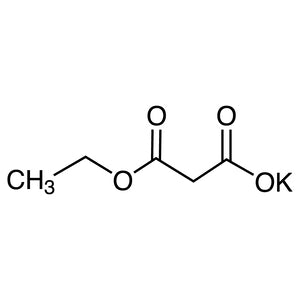
MonoethylPotassiumMalonate TCI M0975
Regular price From Rp 1.724.100,00Regular price -
MonoethylItaconate TCI I0268
Regular price Rp 2.862.300,00Regular price -
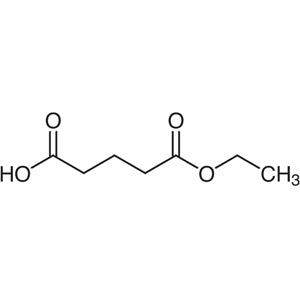
MonoethylGlutarate TCI G0271
Regular price From Rp 1.298.850,00Regular price