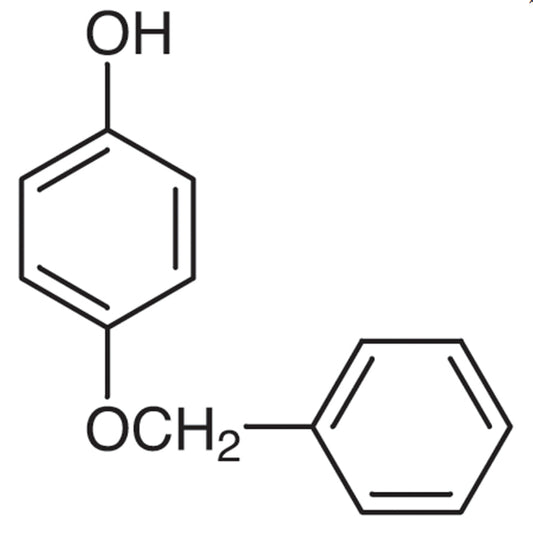
4-(1-Adamantyl)phenol is a chemical compound widely used in organic synthesis reactions within laboratory settings. It serves as a key building block for the creation of complex molecular structures, particularly in the field of organic chemistry. This compound is commonly found in chemical laboratories as a raw material for the synthesis of various compounds. Its unique structure, combining a phenol group with an adamantyl chain, makes it a versatile reagent in synthetic processes. The adamantyl group contributes to the stability and reactivity of the molecule, making it a valuable tool for chemists.
The chemical properties of 4-(1-Adamantyl)phenol make it a preferred choice for laboratory applications. Its stability under normal conditions allows for long-term storage, while its reactivity under specific conditions enables controlled chemical transformations. The adamantyl group enhances the molecule’s mechanical stability and increases its reactivity at the phenolic position. These characteristics make it ideal for applications requiring both controlled reactivity and molecular stability. Its chemical inertness in certain environments also ensures that it does not interfere with other reagents in complex reactions.
In Indonesian laboratories, 4-(1-Adamantyl)phenol is frequently used in organic chemistry research, especially in the synthesis of new compounds and the development of advanced materials. It is a common reagent in academic and industrial research settings, where it supports the creation of complex molecular structures. Many educational and research institutions rely on this compound for experiments that require a reliable and versatile building block. Its availability in various packaging formats further facilitates its use in laboratory environments.
Related TCI products
- Organic synthesis reactions benefit from 4-(1-Adamantyl)phenol due to its unique structure and reactivity, enabling the creation of complex molecular frameworks.
- It is ideal for the development of new synthetic compounds as it provides a stable yet reactive platform for chemical modifications.
- In the field of heterocyclic chemistry, this compound supports the synthesis of ring-based structures due to its phenolic and adamantyl components.
- It is commonly used in pharmaceutical research to explore new drug candidates by acting as a building block for complex molecules.
- Indonesian laboratories use it extensively in academic research for teaching and experimental purposes, ensuring students gain hands-on experience with advanced chemical compounds.
| Brand | TCI |
|---|---|
| CAS number | 29799-07-3 |
| Molecular formula | — |
| Purity | — |
| Category | Chemistry > Building Blocks > Non-Heterocyclic Building Blocks |
| Pack sizes | Available in various sizes suitable for laboratory use |
| Physical form | Solid or liquid, depending on the packaging |
| Storage | Store in a cool, dry place away from direct sunlight |
4-(1-Adamantyl)phenol should be stored in a cool, dry environment to maintain its chemical stability. It is recommended to keep it in a sealed container to prevent exposure to moisture and air. Suitable storage containers include glass or high-density polyethylene bottles to avoid chemical interactions. In laboratory settings, it should be handled with appropriate personal protective equipment, such as gloves and safety goggles. Due to its reactivity under certain conditions, it should be stored away from incompatible substances. Regular monitoring of storage conditions ensures the compound remains effective for its intended applications.
—
Produk Terkait
-
2-(1-Adamantyl)-4-bromoanisole TCI A2321
Regular price From Rp 1.326.150,00Regular priceRp 927.150,00Sale price From Rp 1.326.150,00 -
4-(1,2,2-Triphenylvinyl)phenol TCI T3895
Regular price Rp 6.386.100,00Regular priceRp 4.481.400,00Sale price Rp 6.386.100,00 -
4-(4-Bromophenylazo)phenol TCI B4053
Regular price From Rp 3.392.550,00Regular priceRp 2.371.950,00Sale price From Rp 3.392.550,00 -
2,4-Bis(alpha,alpha-dimethylbenzyl)phenol TCI B2772
Regular price From Rp 582.750,00Regular priceRp 423.150,00Sale price From Rp 582.750,00 -
4-(4-Butylphenylazo)phenol TCI B2357
Regular price From Rp 2.677.500,00Regular priceRp 1.872.150,00Sale price From Rp 2.677.500,00 -
3-(Benzyloxy)phenol TCI B2070
Regular price From Rp 5.460.000,00Regular priceRp 3.833.550,00Sale price From Rp 5.460.000,00 -
2-(Benzyloxy)phenol TCI B1661
Regular price From Rp 2.677.500,00Regular priceRp 1.887.900,00Sale price From Rp 2.677.500,00 -
4-(Benzyloxy)phenol TCI B1104
Regular price From Rp 1.801.800,00Regular priceRp 1.275.750,00Sale price From Rp 1.801.800,00